
Introduction to Unraveling Heritage
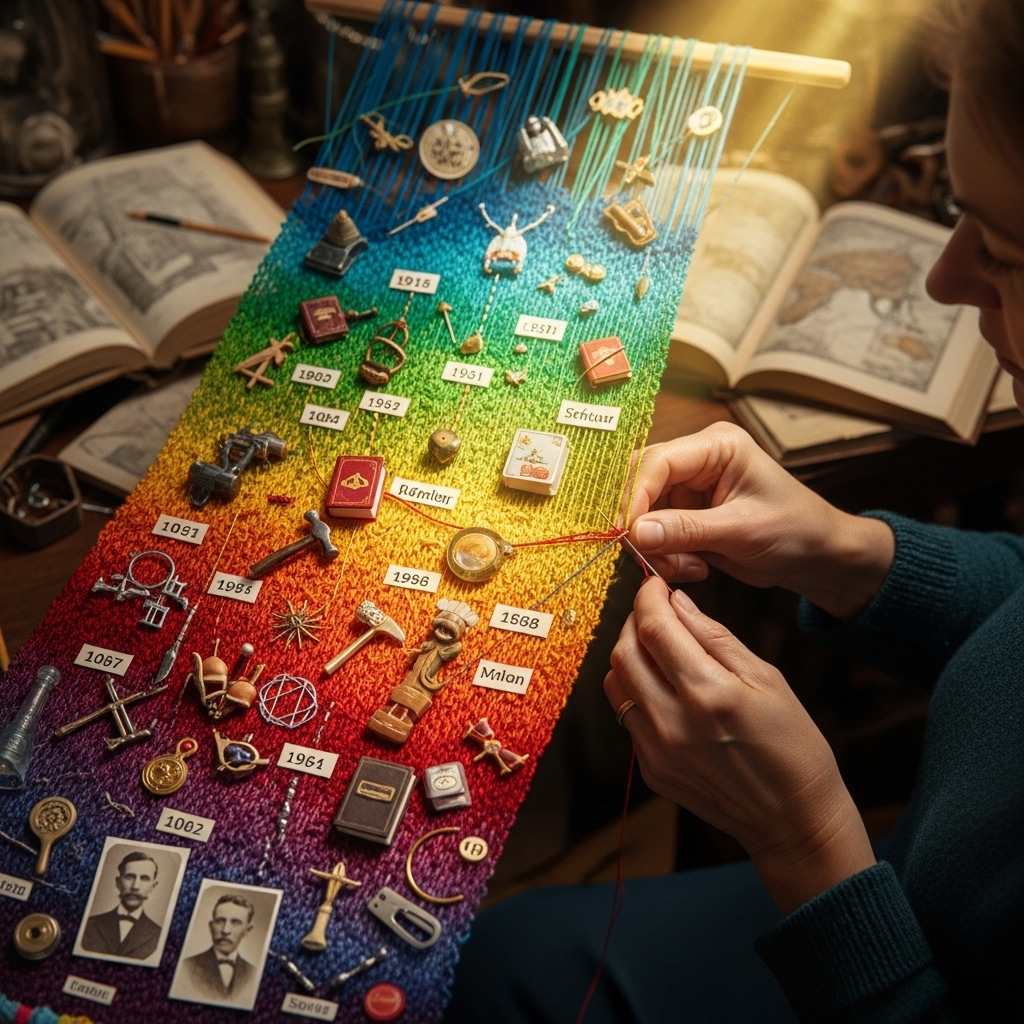
Heritage and lineage are terms that evoke a sense of history, tradition, and belonging. They represent the threads that weave together the tapestry of our identities, connecting us to our past, present, and future. Understanding our family lineage and the legacy we inherit is crucial for grasping our place in the world and the responsibilities that come with it. This exploration into the intricacies of family lineage and legacy aims to unravel the complex threads of heritage, examining its significance, the challenges of tracing it, the impact of cultural and historical contexts, and the ways in which it shapes our identities and futures.
Defining Lineage and Legacy
Lineage refers to the direct descent from an ancestor, tracing back through generations to understand one's family history. It's about the bloodlines, the familial connections that bind us to our ancestors. On the other hand, legacy encompasses not just the genetic lineage but also the values, traditions, and achievements passed down through generations. It's the intangible and tangible heritage that families leave for their descendants. For instance, a family might have a legacy of public service, with each generation contributing to the community in meaningful ways, or a legacy of craftsmanship, where skills are honed and passed down.
Tracing Family Lineage
Tracing one's family lineage can be a fascinating yet challenging journey. It involves digging through historical records, conducting interviews with elderly relatives, and sometimes, using genetic testing to uncover ancestral origins. The process can reveal surprising connections and stories, enriching one's understanding of personal history. For example, someone might discover that their ancestors were pioneers in a particular field or that they have roots in multiple countries, reflecting a history of migration and cultural exchange. However, this journey can also be fraught with obstacles, such as missing records, name changes over generations, or family secrets that have been hidden or forgotten.
Cultural and Historical Contexts
The cultural and historical contexts in which our ancestors lived play a significant role in shaping our lineage and legacy. Historical events, migrations, wars, and social movements have all influenced family histories, sometimes dramatically altering the course of lineage. For instance, families displaced by war may have lost touch with their heritage, or those who were part of significant historical events may have stories of bravery, resilience, or sacrifice. Understanding these contexts helps in appreciating the complexities of one's heritage and the reasons behind certain family traditions or values. Moreover, cultural practices and beliefs have been passed down through generations, influencing how families perceive their lineage and the legacy they aim to leave.
The Impact on Identity and Future
Knowledge of one's lineage and legacy has a profound impact on personal identity. It provides a sense of roots and belonging, connecting individuals to something larger than themselves. This connection can foster a sense of responsibility towards preserving family traditions and values, ensuring their continuation for future generations. Moreover, understanding one's heritage can influence career choices, hobbies, and even beliefs, as individuals may feel drawn to professions or activities that reflect their family's legacy. For example, someone from a long line of educators might feel a strong inclination towards teaching, or a descendant of artists might pursue a career in the arts.
Challenges and Controversies
Despite the importance of lineage and legacy, there are challenges and controversies surrounding these concepts. Issues of identity, especially in cases of adoption or mixed heritage, can complicate the tracing of lineage. Additionally, the legacy of historical injustices, such as slavery or colonialism, can leave complex and painful heritages that are difficult to confront. There's also the challenge of balancing the desire to honor one's heritage with the need to forge one's own path and create a new legacy. These complexities underscore the importance of approaching the study of lineage and legacy with sensitivity and an open mind.
Preserving Legacy for the Future
Preserving family legacy for future generations is a task that requires effort and dedication. It involves not just the preservation of historical artifacts and documents but also the passing down of stories, traditions, and values. Families can achieve this through oral history projects, where stories are recorded and shared, or through the creation of family archives and museums. Educating younger generations about their heritage and involving them in the preservation process is also crucial, ensuring that the legacy continues to evolve and remain relevant. Furthermore, embracing technology, such as digital archiving and social media, can help in reaching a wider audience and safeguarding the legacy against loss or forgetfulness.
Conclusion: The Enduring Significance of Heritage
In conclusion, unraveling the threads of heritage is a journey that reveals the intricacies of family lineage and legacy. It's a path that winds through history, culture, and personal identity, offering insights into who we are and where we come from. The significance of understanding and preserving our heritage cannot be overstated, as it connects us to our past, informs our present, and shapes our future. As we navigate the complexities and challenges associated with lineage and legacy, we must do so with a deep respect for the past and a keen eye towards the future, ensuring that the stories, values, and traditions that define us continue to thrive for generations to come.