
Introduction to Yield Farming and DeFi Ecosystems
Yield farming, a practice that has gained significant traction within the decentralized finance (DeFi) space, involves strategies that maximize returns on investments by leveraging various DeFi protocols. It has become a cornerstone of the DeFi ecosystem, promising users high yields in the form of interest, fees, or tokens. However, beneath its lucrative surface, yield farming conceals a myriad of risks and challenges that can lead to substantial financial losses. This article delves into the hidden dangers of yield farming, aiming to educate investors and participants about the potential pitfalls they might encounter in their pursuit of high yields.
Understanding the Risks of Smart Contract Vulnerabilities
One of the primary risks associated with yield farming is the vulnerability of smart contracts. These contracts, which are self-executing contracts with the terms of the agreement directly written into lines of code, are the backbone of DeFi protocols. However, their complexity and the haste with which they are often deployed can lead to bugs and security vulnerabilities. For instance, the 2020 exploit of the Harvest.finance protocol, which resulted in a loss of millions of dollars, highlights the devastating impact of smart contract vulnerabilities. Investors must be aware that even a single line of faulty code can lead to the loss of their entire investment.
Liquidity Risks and Market Volatility
Liquidity risks are another significant concern for yield farmers. The liquidity of a pool determines how easily assets can be bought or sold without significantly affecting their price. Low liquidity can lead to slippage, where the price of an asset moves against the farmer, resulting in unexpected losses. Moreover, market volatility can exacerbate these risks. For example, a sudden drop in the price of a token can lead to a liquidity crisis, where farmers are unable to withdraw their funds, or are forced to do so at a significant loss. The TerraUSD (UST) stablecoin debacle is a stark reminder of how quickly market conditions can deteriorate, leading to catastrophic outcomes for yield farmers.
Regulatory Uncertainty and Compliance Risks
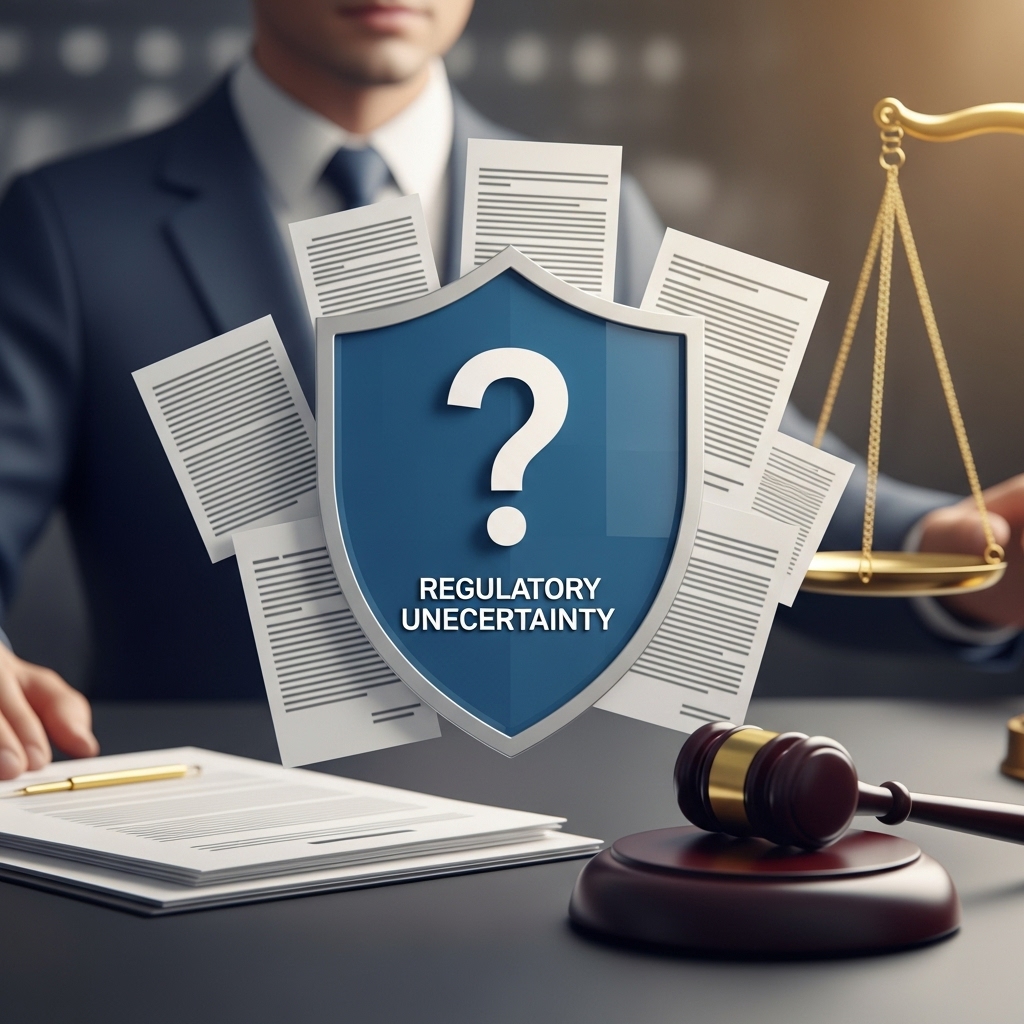
The regulatory landscape surrounding DeFi and yield farming is murky and evolving. As governments and regulatory bodies begin to take notice of the burgeoning DeFi space, there is a growing risk of regulatory crackdowns. Yield farming protocols and their users may find themselves subject to unforeseen legal requirements or even outright bans, depending on the jurisdiction. Compliance risks are particularly pertinent for protocols that inadvertently or intentionally facilitate illegal activities, such as money laundering. The lack of clear guidelines leaves both platforms and users in a state of uncertainty, potentially facing severe legal and financial repercussions.
Interconnectedness and Systemic Risks
The DeFi ecosystem is highly interconnected, with many protocols relying on each other for liquidity, collateral, or other services. This interconnectedness introduces systemic risks, where the failure of one protocol can have a ripple effect throughout the entire ecosystem. For instance, the collapse of a major lending protocol could lead to a cascade of liquidations across multiple platforms, destabilizing the entire DeFi market. Yield farmers need to be aware of these systemic risks and understand that their investments are not isolated but are part of a complex web of financial dependencies.
Conclusion: Navigating the Risks of Yield Farming
In conclusion, while yield farming offers the potential for high returns, it is crucial for participants to be fully aware of the hidden dangers that lurk beneath its surface. From smart contract vulnerabilities and liquidity risks to regulatory uncertainty and systemic instability, the challenges are multifaceted and can be devastating. To navigate these risks, investors should conduct thorough research on the protocols they engage with, diversify their investments, and remain vigilant to changes in market conditions and regulatory environments. By taking a cautious and informed approach, yield farmers can better protect their investments and contribute to the growth and stability of the DeFi ecosystem.