
Introduction to Functional Urology Treatments
Functional urology is a branch of urology that focuses on the diagnosis, treatment, and management of urinary tract disorders that affect the normal functioning of the urinary system. These disorders can significantly impact a person's quality of life, causing symptoms such as incontinence, urinary retention, and recurrent infections. Recent years have seen significant advances in functional urology treatments, offering new hope to patients suffering from these conditions. This article will explore the latest developments in the field, highlighting innovative approaches and technologies that are improving patient outcomes.
Minimally Invasive Surgical Techniques
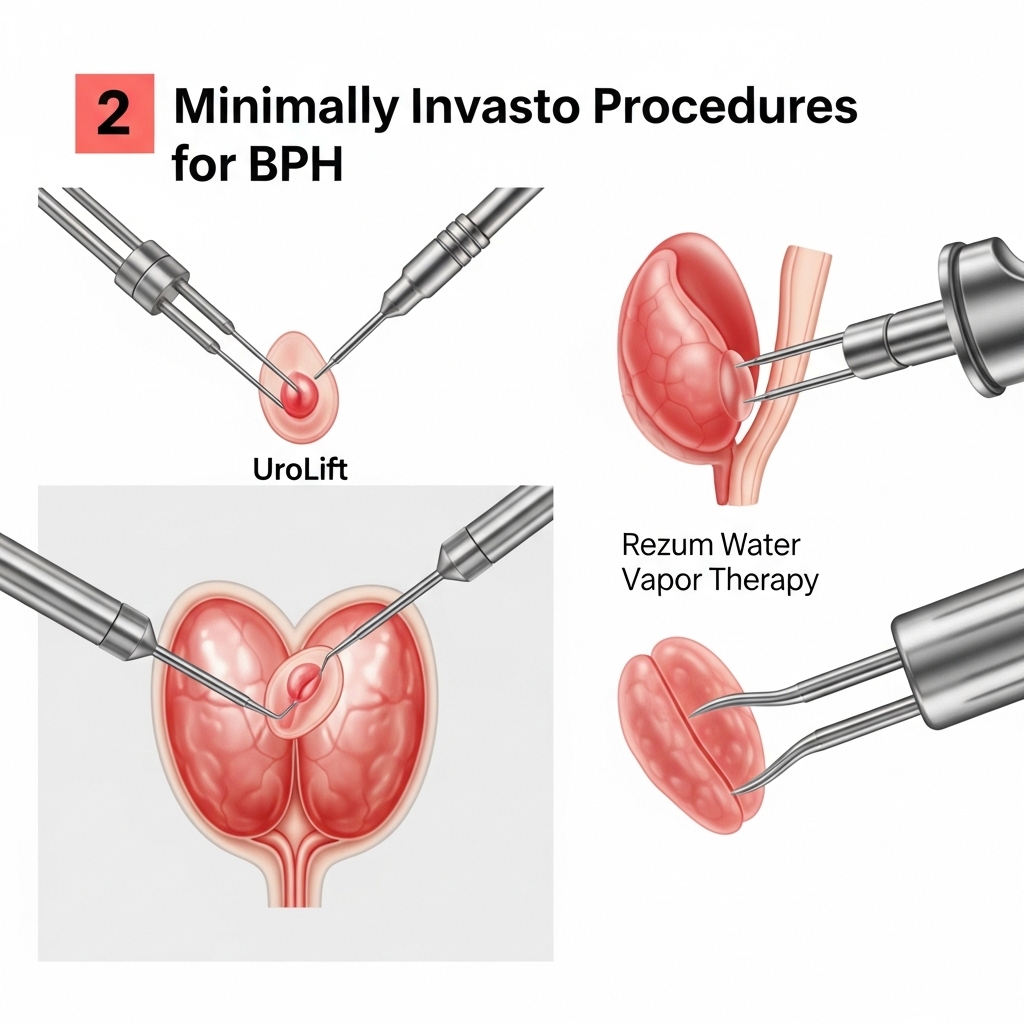
One of the most significant advances in functional urology is the development of minimally invasive surgical techniques. These procedures are designed to reduce tissue damage, scarring, and recovery time, making them a more attractive option for patients. For example, laparoscopic and robotic-assisted surgeries are now commonly used to treat conditions such as bladder prolapse, urinary incontinence, and benign prostatic hyperplasia (BPH). These techniques utilize small incisions and specialized instruments to perform the surgery, resulting in less post-operative pain and a faster return to normal activities.
Advances in Neuromodulation Therapies
Neuromodulation therapies, such as sacral nerve stimulation and percutaneous tibial nerve stimulation, have emerged as effective treatments for overactive bladder, urinary retention, and fecal incontinence. These therapies involve the use of mild electrical impulses to stimulate the nerves that control bladder and bowel function, helping to restore normal function and reduce symptoms. Recent studies have demonstrated the long-term efficacy and safety of these treatments, making them a viable option for patients who have failed other therapies.
Stem Cell Therapy and Tissue Engineering
Stem cell therapy and tissue engineering are two exciting areas of research in functional urology. Scientists are exploring the use of stem cells to repair or replace damaged tissues in the urinary tract, such as the bladder and urethra. For example, researchers have used stem cells to create functional bladder tissue in the laboratory, which could potentially be used to repair or replace damaged bladders in the future. Additionally, tissue engineering techniques are being developed to create artificial urinary sphincters and other devices that can help restore normal urinary function.
Pharmacological Advances
Pharmacological treatments for functional urology disorders have also undergone significant advances in recent years. New medications, such as beta-3 adrenergic agonists and antimuscarinics, have been developed to treat overactive bladder and other urinary disorders. These medications work by targeting specific receptors in the bladder and urinary tract, helping to reduce symptoms and improve quality of life. Furthermore, researchers are exploring the use of novel drug delivery systems, such as injectable therapies and topical creams, to improve the efficacy and convenience of pharmacological treatments.
Emerging Technologies and Diagnostic Tools
Emerging technologies, such as artificial intelligence (AI) and machine learning (ML), are being applied to functional urology to improve diagnosis and treatment. For example, AI-powered algorithms can analyze urodynamic data to help diagnose urinary tract disorders, while ML can be used to predict patient outcomes and optimize treatment plans. Additionally, advances in imaging technologies, such as 3D ultrasound and magnetic resonance imaging (MRI), are providing clinicians with more detailed information about the urinary tract, enabling more accurate diagnoses and targeted treatments.
Conclusion
In conclusion, the field of functional urology has witnessed significant advances in recent years, with the development of minimally invasive surgical techniques, neuromodulation therapies, stem cell therapy, and pharmacological treatments. Emerging technologies, such as AI and ML, are also being applied to improve diagnosis and treatment. These advances offer new hope to patients suffering from functional urology disorders, providing more effective and convenient treatment options that can improve quality of life. As research continues to evolve, we can expect to see even more innovative approaches and technologies emerge, further transforming the field of functional urology and improving patient outcomes.