
Introduction to Vibration Control in Industrial Equipment
Vibration in industrial equipment is a common issue that can lead to reduced productivity, increased maintenance costs, and even safety hazards. Vibration can be caused by a variety of factors, including imbalance, misalignment, and looseness of parts. Effective vibration control is crucial to ensure the smooth operation of industrial equipment, prevent damage, and reduce downtime. In this article, we will discuss the most effective methods for reducing vibration in industrial equipment.
Understanding the Sources of Vibration
Before we dive into the methods for reducing vibration, it's essential to understand the common sources of vibration in industrial equipment. These sources can be categorized into two main types: internal and external. Internal sources of vibration include imbalance, misalignment, and looseness of parts, while external sources include external forces, resonance, and fluid flow. Identifying the source of vibration is critical to selecting the most effective method for reducing it. For example, if the vibration is caused by imbalance, balancing the equipment or replacing worn-out parts may be the most effective solution.
Balance and Alignment
Balance and alignment are critical to reducing vibration in industrial equipment. Imbalance occurs when the center of mass of a rotating component is not aligned with the axis of rotation, causing vibration. Misalignment, on the other hand, occurs when two or more components are not properly aligned, causing vibration and stress on the equipment. To reduce vibration caused by imbalance and misalignment, equipment manufacturers and maintenance personnel can use various techniques, such as dynamic balancing, laser alignment, and precision shaft alignment. For instance, a company that manufactures pumps can use dynamic balancing to ensure that the impellers are properly balanced, reducing vibration and increasing the lifespan of the pump.
Vibration Isolation and Damping
Vibration isolation and damping are two effective methods for reducing vibration in industrial equipment. Vibration isolation involves decoupling the equipment from the source of vibration, while damping involves reducing the energy of the vibration. Vibration isolators, such as mounts and pads, can be used to isolate equipment from external sources of vibration, while damping materials, such as viscoelastic materials, can be used to reduce the energy of the vibration. For example, a company that operates a large compressor can use vibration isolators to decouple the compressor from the foundation, reducing the transmission of vibration to the surrounding structure.
Active Vibration Control Systems
Active vibration control systems are advanced technologies that use sensors, actuators, and control systems to reduce vibration in real-time. These systems can be used to control vibration in a wide range of industrial equipment, from pumps and compressors to gearboxes and turbines. Active vibration control systems can be particularly effective in applications where the vibration is caused by external sources, such as wind or seismic activity. For instance, a company that operates a wind turbine can use an active vibration control system to reduce the vibration caused by wind loads, increasing the lifespan of the turbine and reducing maintenance costs.
Regular Maintenance and Monitoring
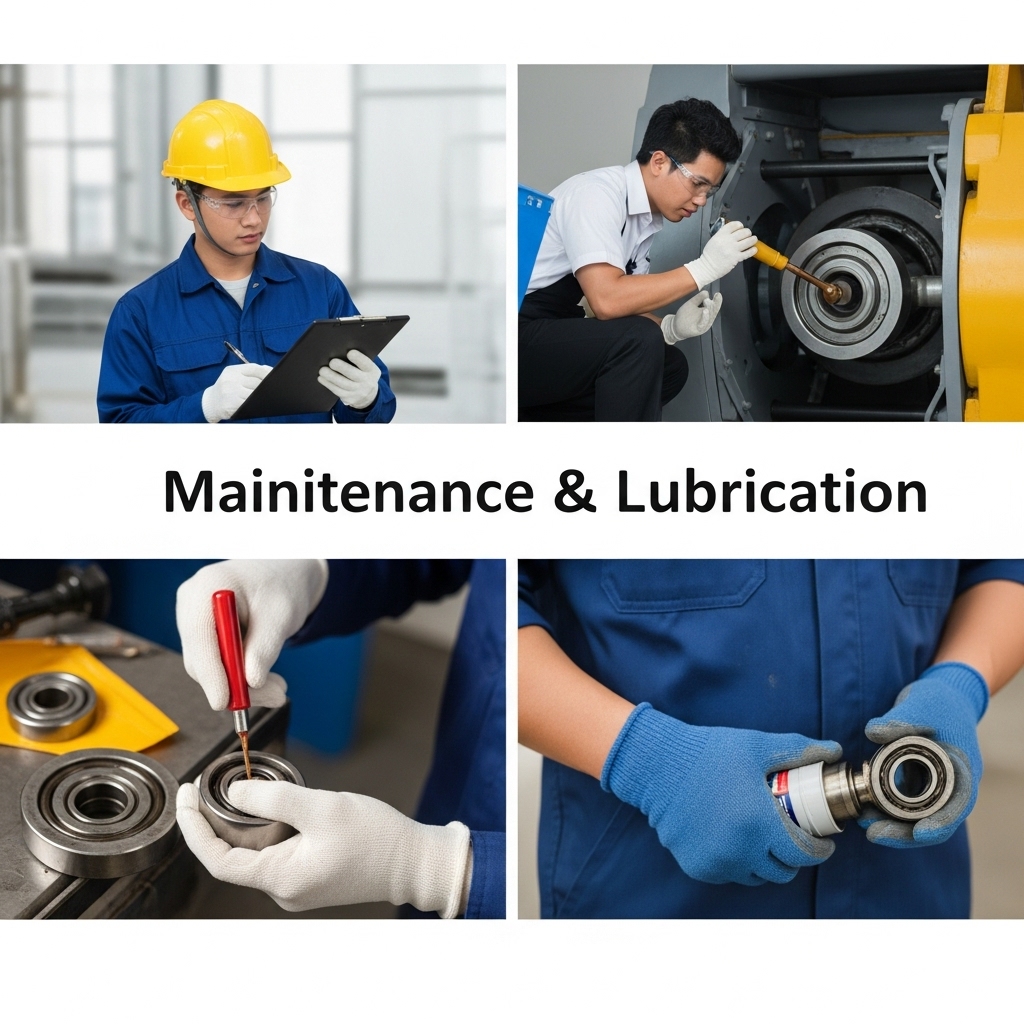
Regular maintenance and monitoring are critical to reducing vibration in industrial equipment. Equipment manufacturers and maintenance personnel should regularly inspect equipment for signs of vibration, such as excessive wear and tear, and perform routine maintenance tasks, such as balancing and alignment. Additionally, condition monitoring technologies, such as vibration sensors and accelerometers, can be used to monitor equipment vibration in real-time, allowing for early detection of potential problems. For example, a company that operates a large motor can use vibration sensors to monitor the motor's vibration, detecting potential problems before they cause damage or downtime.
Conclusion
In conclusion, reducing vibration in industrial equipment is critical to ensuring smooth operation, preventing damage, and reducing downtime. The most effective methods for reducing vibration include balance and alignment, vibration isolation and damping, active vibration control systems, and regular maintenance and monitoring. By understanding the sources of vibration and selecting the most effective method for reducing it, equipment manufacturers and maintenance personnel can increase the lifespan of industrial equipment, reduce maintenance costs, and improve overall productivity. Whether it's a pump, compressor, or turbine, effective vibration control is essential to ensuring the reliable operation of industrial equipment.