
Introduction to Anxiety Disorders
Anxiety disorders are a common mental health issue affecting millions of people worldwide. They can manifest in various forms, including generalized anxiety disorder, panic disorder, social anxiety disorder, and phobias, among others. Managing anxiety disorders requires a comprehensive approach that incorporates lifestyle changes, therapeutic interventions, and sometimes medication. The goal of management is not only to reduce symptoms but also to improve the quality of life for individuals affected. In this article, we will explore the most effective strategies for managing anxiety disorders, providing insights into what works best for different types of anxiety and how individuals can tailor their approach to suit their needs.
Understanding Anxiety Disorders
Before diving into management strategies, it's crucial to understand the nature of anxiety disorders. Anxiety is a normal human emotion that everyone experiences at some point in their lives. However, for individuals with anxiety disorders, this feeling of fear or apprehension is overwhelming and interferes with their daily activities. The causes of anxiety disorders are complex and can include genetic predisposition, brain chemistry, life experiences, and environmental factors. Recognizing the signs and symptoms of anxiety disorders, such as excessive worry, restlessness, difficulty concentrating, and sleep disturbances, is the first step towards seeking help.
Lifestyle Changes for Managing Anxiety
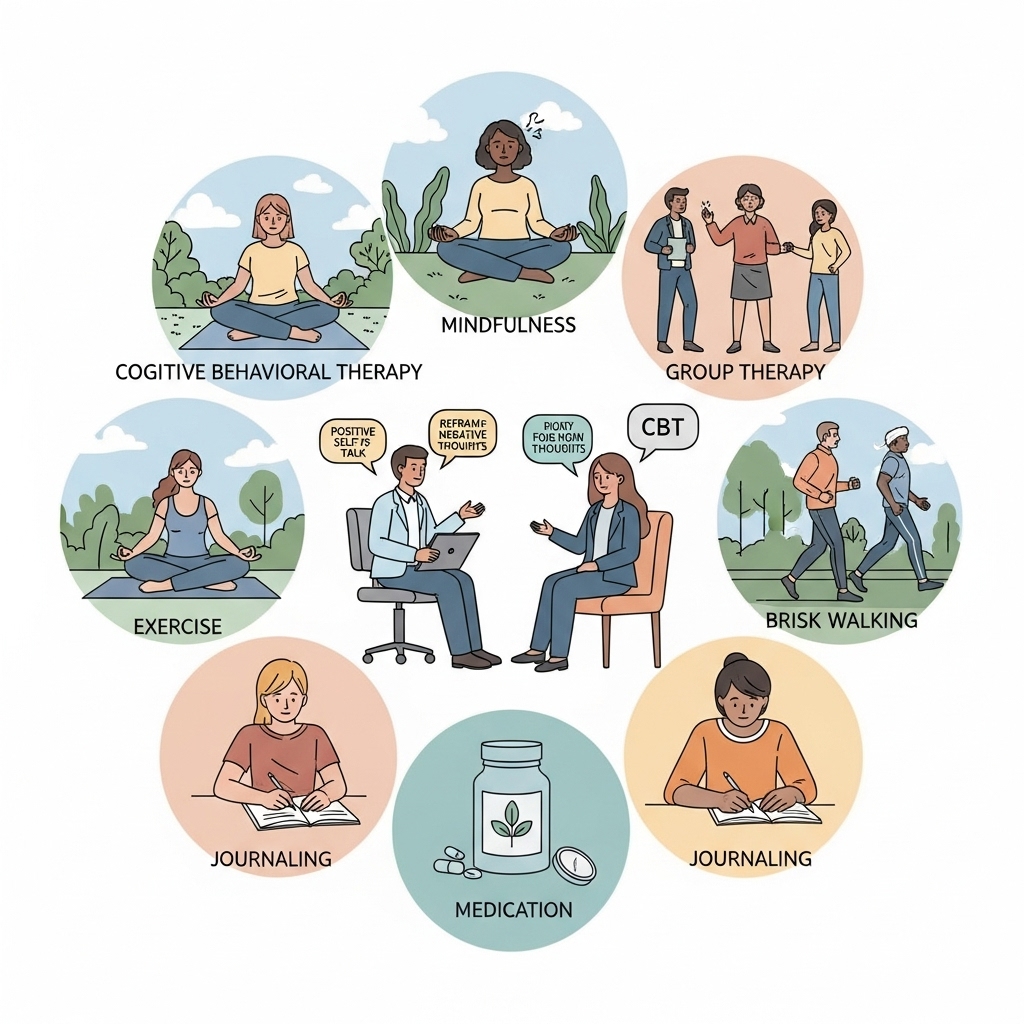
Lifestyle modifications are foundational in the management of anxiety disorders. Regular exercise, for instance, has been shown to reduce anxiety symptoms by releasing endorphins, which are natural mood lifters. A balanced diet that includes plenty of fruits, vegetables, whole grains, and lean proteins can also help stabilize mood. Additionally, establishing a consistent sleep schedule and practicing relaxation techniques such as deep breathing, yoga, or meditation can significantly reduce anxiety levels. Limiting caffeine and alcohol intake, which can exacerbate anxiety, is also recommended. By making these lifestyle changes, individuals can create a solid foundation for managing their anxiety.
Cognitive Behavioral Therapy (CBT)
Cognitive Behavioral Therapy (CBT) is a highly effective therapeutic approach for managing anxiety disorders. CBT helps individuals identify and change negative thought patterns and behaviors that contribute to their anxiety. Through CBT, patients learn how to reframe their perceptions, develop coping skills, and gradually face their fears in a controlled and safe environment. For example, someone with a social anxiety disorder might learn to challenge their belief that they are judged harshly by others and practice social interactions in a supportive setting. CBT is often time-limited and problem-focused, making it an attractive option for those seeking a structured therapeutic approach.
Medication and Alternative Therapies
In some cases, medication may be necessary to help manage symptoms of anxiety disorders. Selective serotonin reuptake inhibitors (SSRIs) and benzodiazepines are commonly prescribed for anxiety, though the latter is usually recommended for short-term use due to the risk of dependence. Besides conventional medication, alternative therapies such as acupuncture, herbal supplements like passionflower or kava, and mindfulness-based stress reduction (MBSR) have shown promise in reducing anxiety symptoms. However, it's essential to consult with a healthcare provider before starting any new therapies, especially to discuss potential side effects and interactions with other medications.
Support Systems and Self-Care
A strong support system and practice of self-care are vital components of anxiety management. Connecting with family, friends, or support groups can provide emotional support and reduce feelings of isolation. Engaging in activities that bring joy and fulfillment, whether hobbies, creative pursuits, or spending time in nature, can also help shift focus away from anxiety. Self-care practices such as journaling, reading, or taking relaxing baths can serve as healthy coping mechanisms. Moreover, learning to say "no" and set boundaries can help manage stress and prevent anxiety triggers. By prioritizing self-care and nurturing a support network, individuals can build resilience against anxiety.
Conclusion
Managing anxiety disorders is a multifaceted process that requires patience, persistence, and a willingness to try different strategies. By combining lifestyle changes, therapeutic interventions, and when necessary, medication, individuals can effectively reduce their symptoms and improve their quality of life. It's also important to remember that what works for one person may not work for another, and it may take time to find the right combination of strategies. With the right support and a commitment to self-care, individuals with anxiety disorders can learn to manage their anxiety and live fulfilling lives. Remember, seeking help is the first step towards recovery, and with the right approach, anxiety can become a manageable part of life rather than a defining feature.
Post a Comment