
Introduction
Climate change is one of the most pressing issues of our time, with far-reaching consequences for communities around the world. Vulnerable communities, in particular, are disproportionately affected by the impacts of climate change, including more frequent and severe weather events, rising sea levels, and changing weather patterns. Building climate resilience in these communities is crucial to helping them adapt to the changing climate and reduce the risk of climate-related disasters. In this article, we will explore the most effective strategies for building climate resilience in vulnerable communities.
Understanding Climate Resilience
Climate resilience refers to the ability of a community to anticipate, absorb, and recover from the impacts of climate change. It involves a range of activities, including disaster risk reduction, climate-smart agriculture, and ecosystem-based adaptation. Climate resilience is not just about responding to climate-related disasters, but also about building the capacity of communities to adapt to the changing climate and improve their overall well-being. Understanding the concept of climate resilience is essential to developing effective strategies for building resilience in vulnerable communities.
Assessing Vulnerability and Risk
Assessing vulnerability and risk is a critical step in building climate resilience in vulnerable communities. This involves identifying the climate-related hazards that a community is likely to face, as well as the social, economic, and environmental factors that make them vulnerable to these hazards. For example, a community located in a low-lying coastal area may be vulnerable to sea-level rise and storm surges, while a community in a drought-prone area may be vulnerable to water scarcity. By assessing vulnerability and risk, communities can identify their priority needs and develop targeted strategies for building resilience.
Building Climate Resilience through Infrastructure
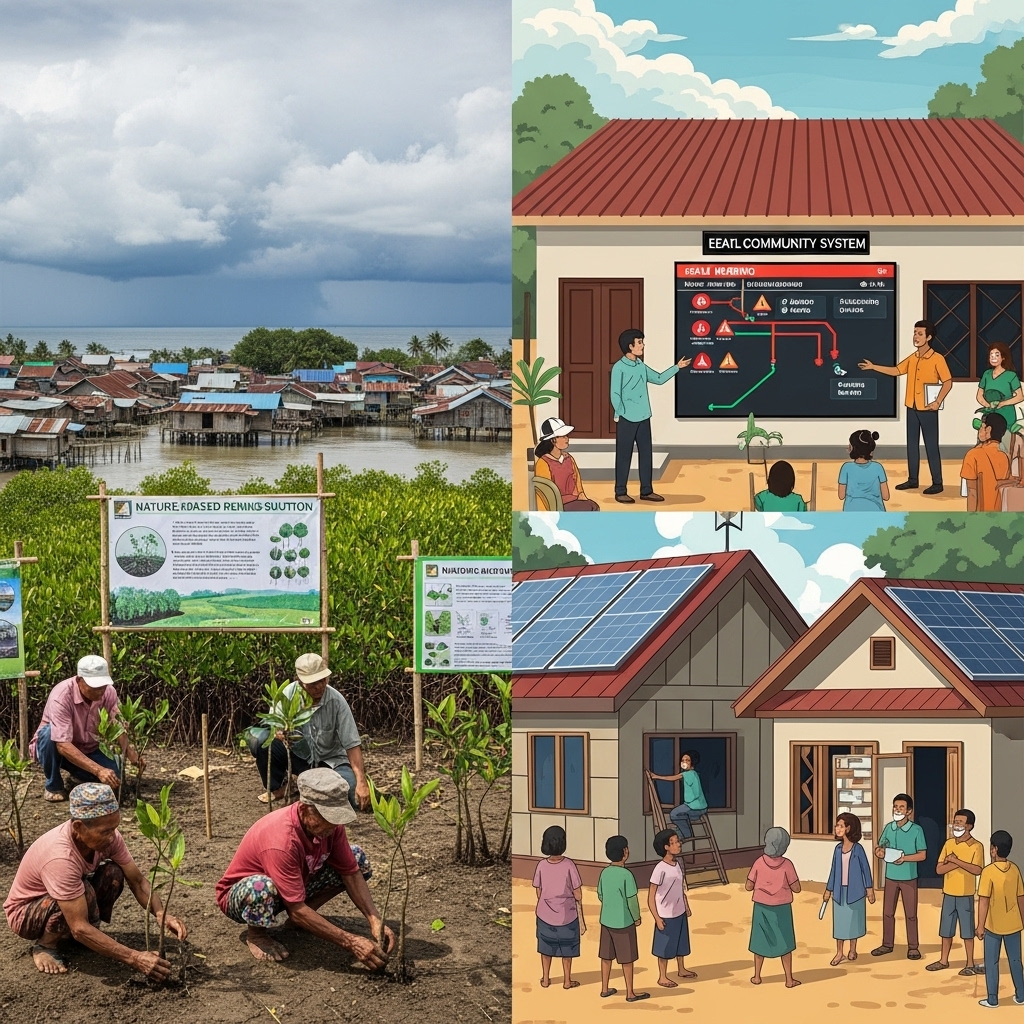
Infrastructure plays a critical role in building climate resilience in vulnerable communities. This includes investing in climate-resilient buildings, roads, and bridges, as well as implementing early warning systems for climate-related disasters. For example, in the Philippines, the government has implemented a nationwide early warning system for typhoons, which has helped to reduce the loss of life and property from these events. Similarly, in Bangladesh, the government has invested in climate-resilient housing, which has helped to protect communities from the impacts of cyclones and flooding.
Supporting Climate-Smart Agriculture
Climate-smart agriculture is an essential component of building climate resilience in vulnerable communities. This involves promoting agricultural practices that are resilient to climate change, such as agroforestry and conservation agriculture. For example, in Africa, farmers are using climate-resilient crop and animal varieties, such as drought-tolerant maize and heat-tolerant livestock, to improve their productivity and incomes. Additionally, climate-smart agriculture involves supporting farmers in accessing climate information and advisory services, which can help them make informed decisions about their agricultural practices.
Empowering Communities through Climate Education and Awareness
Empowering communities through climate education and awareness is critical to building climate resilience. This involves raising awareness about the impacts of climate change and the importance of climate resilience, as well as providing communities with the knowledge and skills they need to adapt to the changing climate. For example, in the Pacific Islands, communities are being trained in climate-resilient water management practices, such as rainwater harvesting and water conservation. Additionally, climate education and awareness programs can help to promote behavioral change, such as reducing energy consumption and using renewable energy sources.
Conclusion
In conclusion, building climate resilience in vulnerable communities requires a range of strategies, including assessing vulnerability and risk, building climate-resilient infrastructure, supporting climate-smart agriculture, and empowering communities through climate education and awareness. By implementing these strategies, communities can reduce their vulnerability to climate-related disasters and improve their overall well-being. It is essential that governments, international organizations, and civil society work together to support vulnerable communities in building their climate resilience, and to promote a more sustainable and equitable future for all.