
Introduction
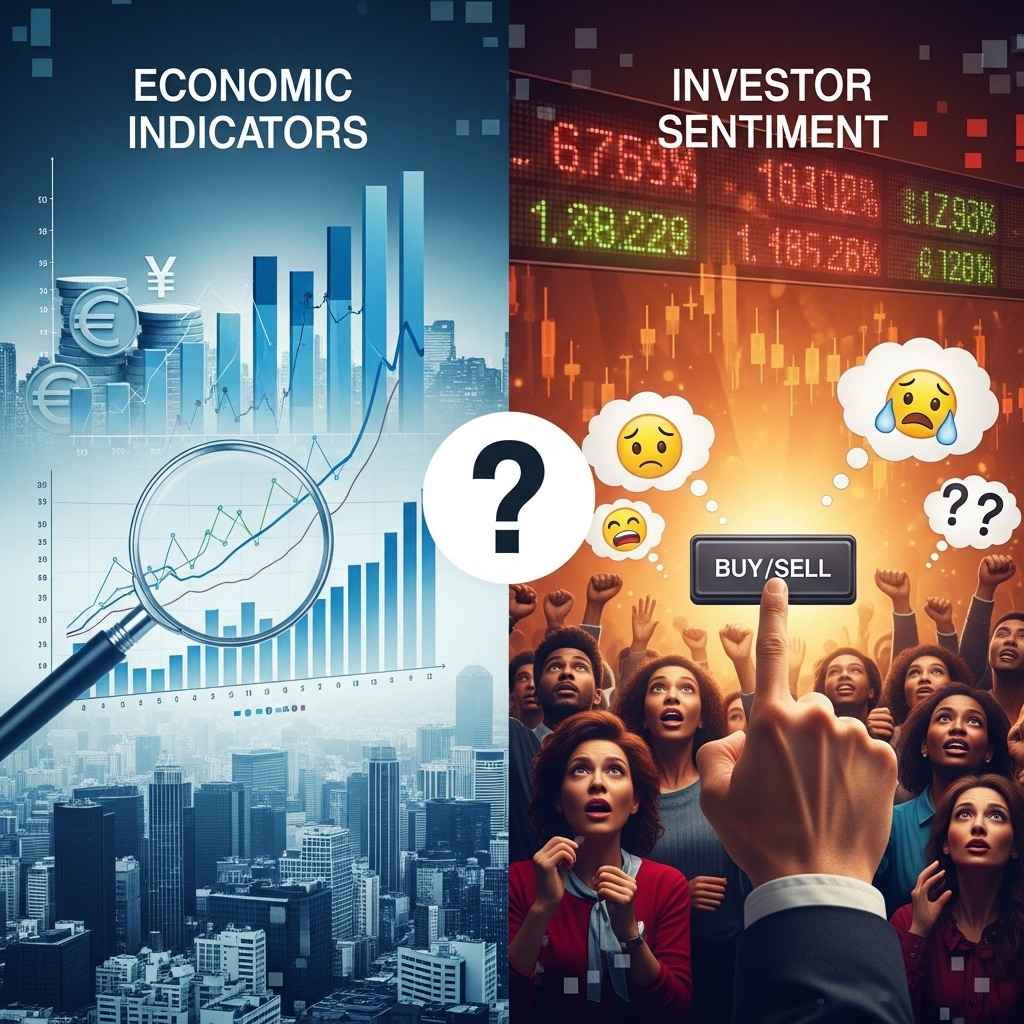
The stock market is known for its unpredictability, with prices fluctuating constantly due to a variety of factors. Two of the main drivers of stock market volatility are economic indicators and investor sentiment. Economic indicators, such as GDP growth, inflation rates, and unemployment rates, provide insight into the overall health of the economy and can have a significant impact on stock prices. On the other hand, investor sentiment, which refers to the overall attitude and emotions of investors towards the market, can also play a crucial role in determining stock prices. In this article, we will explore the relationship between economic indicators, investor sentiment, and stock market volatility, and examine which factor has a greater impact on the market.
Economic Indicators and Stock Market Volatility
Economic indicators are statistical data that provide insight into the overall health of the economy. These indicators can be leading, lagging, or coincident, and can have a significant impact on stock prices. For example, a strong GDP growth rate can lead to increased investor confidence, causing stock prices to rise. On the other hand, high inflation rates can lead to decreased investor confidence, causing stock prices to fall. Other economic indicators, such as unemployment rates and interest rates, can also have a significant impact on stock prices. For instance, low unemployment rates can lead to increased consumer spending, causing stock prices to rise, while high interest rates can lead to decreased borrowing and spending, causing stock prices to fall.
A good example of how economic indicators can impact stock market volatility is the 2008 financial crisis. During this time, the housing market bubble burst, leading to a significant increase in unemployment rates and a decline in GDP growth. As a result, stock prices plummeted, with the S&P 500 index falling by over 38% in 2008. This example illustrates the significant impact that economic indicators can have on stock market volatility.
Investor Sentiment and Stock Market Volatility
Investor sentiment, on the other hand, refers to the overall attitude and emotions of investors towards the market. This can be measured through various surveys and indicators, such as the Investor Sentiment Index. Investor sentiment can have a significant impact on stock prices, as it can influence investor decisions to buy or sell stocks. For example, if investors are optimistic about the market, they are more likely to buy stocks, causing prices to rise. On the other hand, if investors are pessimistic about the market, they are more likely to sell stocks, causing prices to fall.
A good example of how investor sentiment can impact stock market volatility is the dot-com bubble of the late 1990s. During this time, investors became overly optimistic about the potential of technology stocks, causing prices to rise to unsustainable levels. When the bubble burst, investor sentiment quickly turned pessimistic, causing stock prices to plummet. This example illustrates the significant impact that investor sentiment can have on stock market volatility.
The Relationship Between Economic Indicators and Investor Sentiment
While economic indicators and investor sentiment are two separate factors, they are closely related. Economic indicators can influence investor sentiment, and investor sentiment can influence how investors react to economic indicators. For example, a strong GDP growth rate can lead to increased investor confidence, causing stock prices to rise. On the other hand, if investors are already optimistic about the market, they may be less likely to react to negative economic indicators, such as high inflation rates.
A good example of how the relationship between economic indicators and investor sentiment can impact stock market volatility is the 2019 trade war between the US and China. During this time, economic indicators such as GDP growth and unemployment rates were strong, but investor sentiment was negative due to concerns about the impact of the trade war on the economy. As a result, stock prices were volatile, with the S&P 500 index experiencing several large swings. This example illustrates the complex relationship between economic indicators and investor sentiment, and how they can interact to impact stock market volatility.
Other Factors that Contribute to Stock Market Volatility
In addition to economic indicators and investor sentiment, there are several other factors that can contribute to stock market volatility. These include geopolitical events, such as wars and natural disasters, and monetary policy decisions, such as changes in interest rates. These factors can have a significant impact on stock prices, and can interact with economic indicators and investor sentiment to increase volatility.
A good example of how these factors can impact stock market volatility is the 2020 COVID-19 pandemic. During this time, geopolitical events such as government lockdowns and travel restrictions had a significant impact on stock prices, causing the S&P 500 index to fall by over 30% in a matter of weeks. At the same time, monetary policy decisions such as interest rate cuts and quantitative easing helped to stabilize the market, causing stock prices to recover some of their losses. This example illustrates the complex interplay between different factors that can contribute to stock market volatility.
Conclusion
In conclusion, both economic indicators and investor sentiment play a significant role in driving stock market volatility. Economic indicators provide insight into the overall health of the economy, while investor sentiment reflects the attitudes and emotions of investors towards the market. The relationship between these two factors is complex, and they can interact with other factors such as geopolitical events and monetary policy decisions to increase volatility. By understanding the drivers of stock market volatility, investors can make more informed decisions and navigate the markets with greater confidence.
Ultimately, the key to success in the stock market is to stay informed and adapt to changing market conditions. By monitoring economic indicators and investor sentiment, and staying up-to-date with the latest news and developments, investors can make informed decisions and achieve their investment goals. Whether you are a seasoned investor or just starting out, understanding the drivers of stock market volatility is essential for navigating the markets and achieving success.