
Introduction to Dropshipping Business Valuation
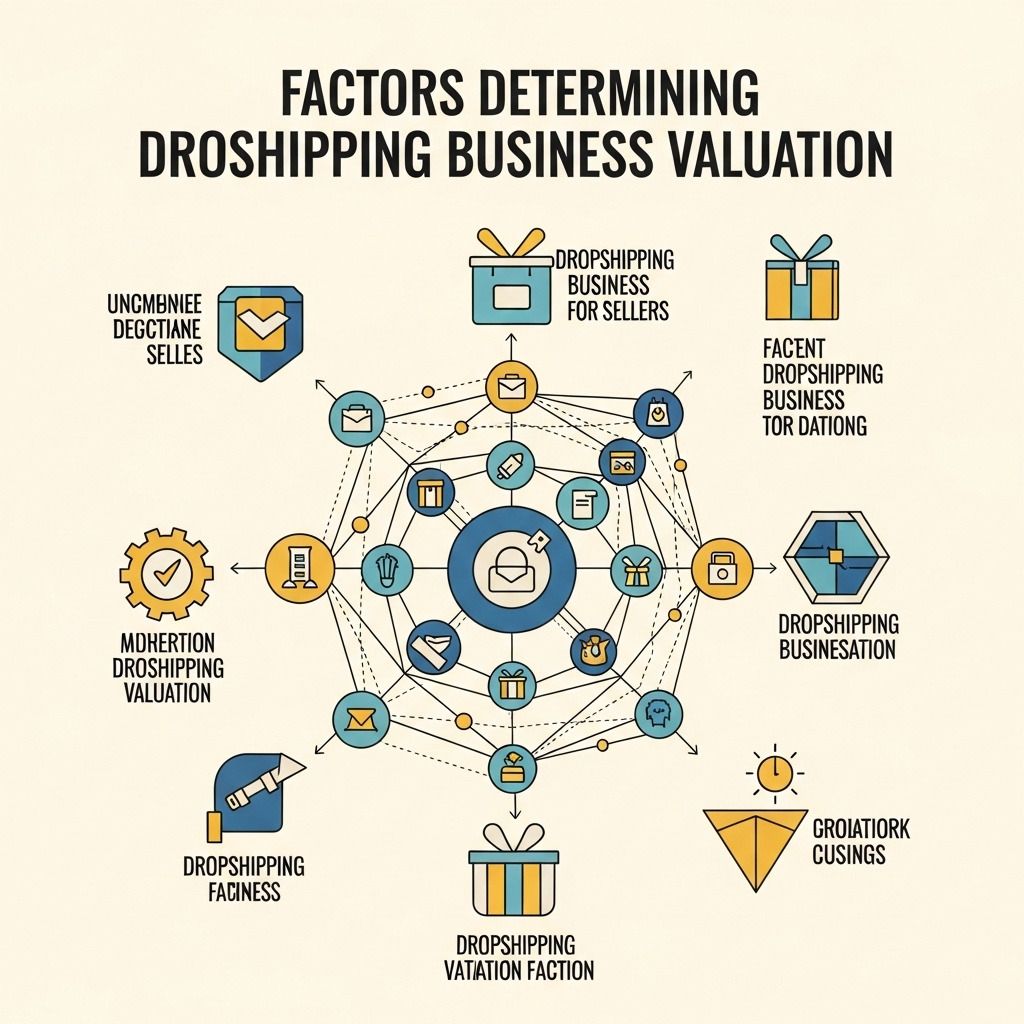
Dropshipping has become a popular e-commerce business model, allowing entrepreneurs to start and run online stores without holding any inventory. As the industry continues to grow, many dropshipping business owners are looking to sell their ventures, either to expand their portfolio or to cash out on their hard work. However, determining the value of a dropshipping business can be a complex process, involving various factors that impact its overall worth. In this article, we will explore the key factors that determine dropshipping business valuation for sellers, providing insights and examples to help entrepreneurs understand the process.
Financial Performance: The Foundation of Business Valuation
Financial performance is the most critical factor in determining the value of a dropshipping business. The revenue, profit margins, and growth rate of the business are essential metrics that potential buyers will examine. A dropshipping business with a stable and increasing revenue stream, high profit margins, and a strong growth rate will typically command a higher valuation. For instance, a business with $100,000 in annual revenue and a 20% profit margin will be more attractive to buyers than one with $50,000 in revenue and a 10% profit margin. Sellers should ensure their financial records are accurate, up-to-date, and transparent to demonstrate the business's financial health.
Market Demand and Niche
The market demand and niche of the dropshipping business also play a significant role in determining its valuation. A business operating in a high-demand niche with a strong potential for growth will be more valuable than one in a saturated or declining market. For example, a dropshipping business specializing in eco-friendly products or pet accessories may be more attractive to buyers than one focused on a niche with limited growth potential, such as CDs or DVDs. Sellers should be prepared to demonstrate their understanding of the market and the business's position within it.
Marketing and Sales Channels
The marketing and sales channels used by the dropshipping business can also impact its valuation. A business with a strong online presence, including social media, email marketing, and paid advertising, will be more valuable than one relying on a single channel. Additionally, a business with established relationships with suppliers and a reliable shipping process will be more attractive to buyers. For instance, a business with a large Facebook following and a proven influencer marketing strategy will be more valuable than one with a limited online presence. Sellers should highlight their marketing and sales strategies and demonstrate their effectiveness.
Operations and Management
The operational efficiency and management structure of the dropshipping business are also essential factors in determining its valuation. A business with streamlined operations, including automated processes and a reliable customer service system, will be more attractive to buyers. Additionally, a business with a strong management team or a solo founder with a clear vision will be more valuable than one with unclear leadership. For example, a business using a dropshipping platform like Shopify or Oberlo to manage orders and inventory will be more efficient than one using manual processes. Sellers should demonstrate their operational efficiency and management capabilities to potential buyers.
Competition and Barriers to Entry
The level of competition and barriers to entry in the dropshipping niche can also impact the business's valuation. A business operating in a niche with low competition and high barriers to entry will be more valuable than one in a crowded market. For instance, a business selling unique, patented products will be more attractive to buyers than one selling generic products easily available from other suppliers. Sellers should be prepared to discuss the competitive landscape and the business's unique selling proposition (USP).
Conclusion and Final Thoughts
In conclusion, determining the value of a dropshipping business involves a comprehensive evaluation of various factors, including financial performance, market demand and niche, marketing and sales channels, operations and management, and competition and barriers to entry. Sellers should ensure their financial records are accurate, demonstrate a strong understanding of the market and niche, and highlight their marketing and sales strategies. By understanding these factors and presenting a solid business case, dropshipping business owners can increase their chances of attracting potential buyers and achieving a favorable valuation. Whether you're looking to sell your dropshipping business or simply want to understand its value, this article has provided a comprehensive overview of the key factors that determine dropshipping business valuation for sellers.