
Introduction
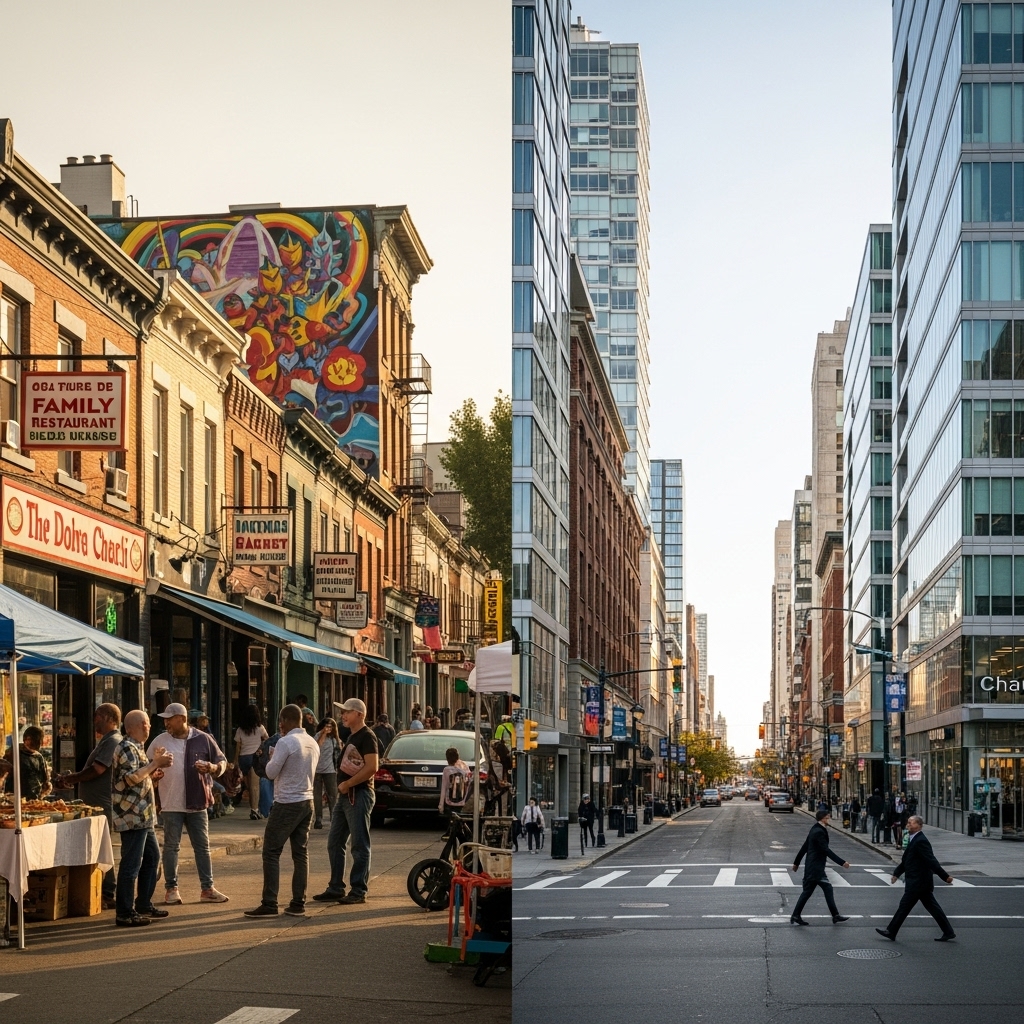
Gentrification, the process of wealthier, more affluent individuals moving into previously low-income, working-class neighborhoods, has become a contentious issue in urban anthropology. As cities undergo gentrification, the cultural identity of these areas is often significantly altered, leading to a loss of community character and a homogenization of urban culture. This article will explore the impact of gentrification on urban cultural identity, examining the effects on local communities, cultural heritage, and the overall urban landscape.
Gentrification and Community Displacement
One of the most significant effects of gentrification is the displacement of long-time residents, often low-income and minority communities, who are priced out of their own neighborhoods. As wealthier individuals move in, property values and rents increase, making it difficult for existing residents to afford their homes. This leads to a loss of community cohesion and a breakdown of social networks, as residents are forced to relocate to other areas. For example, in the Mission District of San Francisco, gentrification has led to the displacement of many Latino families, who have lived in the area for generations. The loss of these community members has resulted in a decline in the area's cultural heritage, as traditional businesses, restaurants, and cultural events are replaced by more upscale, trendy establishments.
The Homogenization of Urban Culture
Gentrification also contributes to the homogenization of urban culture, as unique, local businesses and cultural institutions are replaced by chain stores and generic, upscale establishments. This can result in a loss of cultural diversity and a decline in the area's distinct character. For instance, in the Williamsburg neighborhood of Brooklyn, gentrification has led to the proliferation of trendy coffee shops, boutique stores, and upscale restaurants, which have replaced many of the area's traditional, family-owned businesses. While these new establishments may bring in new revenue and visitors, they also contribute to a sense of cultural uniformity, erasing the area's unique cultural identity.
The Impact on Local Arts and Culture
Gentrification can also have a significant impact on local arts and culture, as affordable spaces for artists and cultural institutions become increasingly scarce. As property values and rents increase, many artists and cultural organizations are forced to relocate to other areas, leading to a decline in the area's cultural vibrancy. For example, in the East Village of Manhattan, gentrification has led to the loss of many affordable art spaces, galleries, and music venues, which were once a hallmark of the area's cultural scene. While some new, upscale cultural institutions may emerge, they often cater to a more affluent audience, rather than the local community.
Gentrification and Urban Planning
Urban planning policies can also play a significant role in shaping the impact of gentrification on urban cultural identity. In some cases, city officials may prioritize economic development and tax revenue over community concerns, leading to a lack of regulation and oversight in gentrifying areas. This can result in a lack of affordable housing, community facilities, and cultural institutions, exacerbating the negative effects of gentrification. For instance, in the city of Seattle, the lack of effective zoning regulations and affordable housing policies has contributed to widespread gentrification, displacing many long-time residents and small businesses.
Resisting Gentrification and Preserving Cultural Identity
Despite the challenges posed by gentrification, many communities are resisting the erosion of their cultural identity and working to preserve their unique character. This can involve community-led initiatives, such as the establishment of community land trusts, affordable housing cooperatives, and cultural institutions that prioritize local needs and interests. For example, in the neighborhood of Boyle Heights in Los Angeles, community organizers have established a number of initiatives to resist gentrification, including a community-led planning process and a coalition of local artists and cultural organizations. These efforts aim to preserve the area's cultural heritage and ensure that the benefits of urban development are shared equitably among all members of the community.
Conclusion
In conclusion, gentrification has a profound impact on urban cultural identity, leading to the displacement of long-time residents, the homogenization of urban culture, and the erosion of local arts and culture. However, by prioritizing community-led initiatives, affordable housing, and cultural preservation, cities can work to mitigate the negative effects of gentrification and preserve the unique character of their neighborhoods. Ultimately, the key to preserving urban cultural identity lies in recognizing the value of community and cultural heritage, and working to create more inclusive, equitable, and sustainable urban environments.