
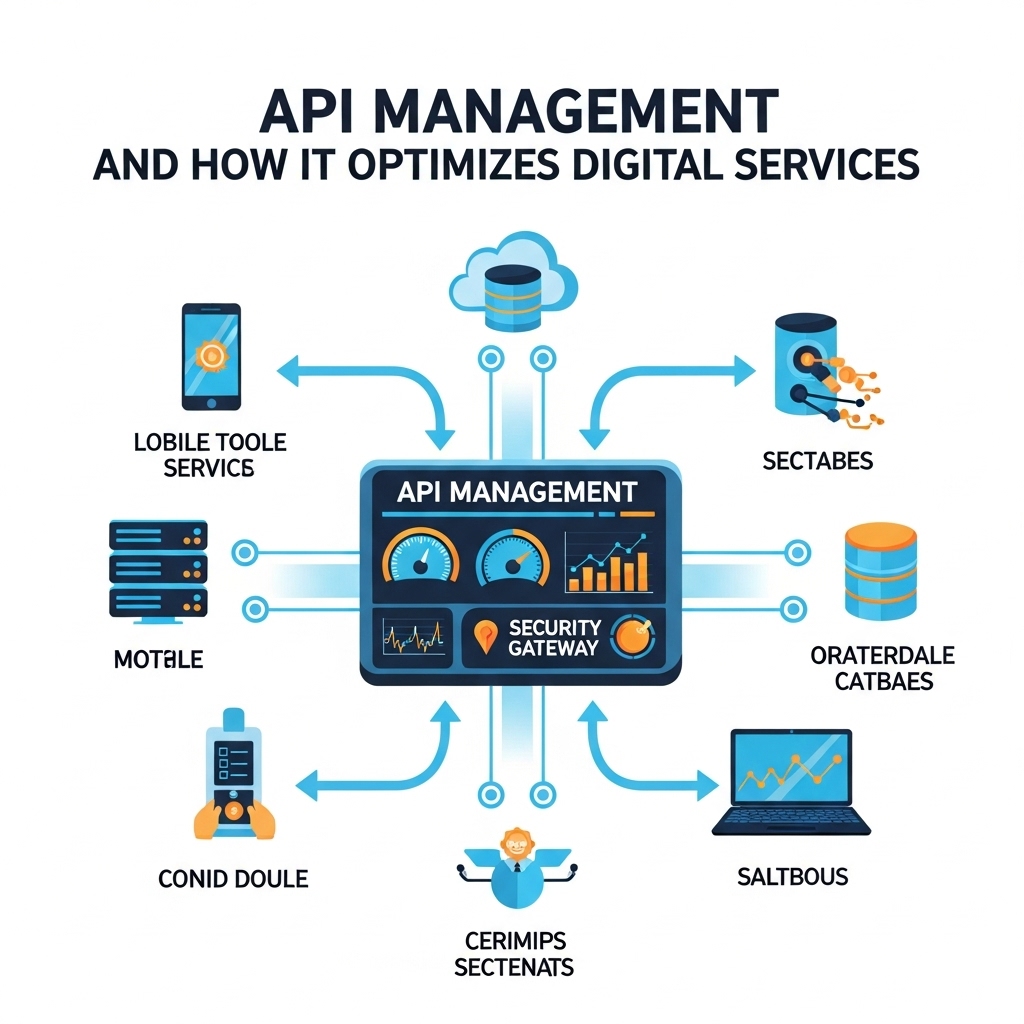
Introduction to API Management
API management refers to the process of creating, managing, and analyzing APIs (Application Programming Interfaces) to enable organizations to deliver digital services securely, reliably, and at scale. As the digital landscape continues to evolve, APIs have become a crucial component of modern software development, allowing different applications, systems, and services to communicate with each other seamlessly. Effective API management is essential for organizations to unlock the full potential of their digital services, drive innovation, and stay competitive in the market.
What is an API?
An API is a set of defined rules that enables different software systems to communicate with each other. It allows various applications, services, or systems to exchange data, perform actions, or request services from each other. APIs can be thought of as messengers between systems, enabling them to request services, retrieve or send data, and interact with each other in a standardized way. For instance, when you use a social media platform to log in to a third-party app, the app uses an API to request your profile information from the social media platform, allowing you to access the app without creating a new account.
Benefits of API Management
Effective API management offers numerous benefits to organizations, including increased security, improved scalability, and enhanced customer experience. By managing APIs, organizations can ensure that their digital services are secure, reliable, and performant, which is critical for building trust with customers and driving business growth. Additionally, API management enables organizations to monitor and analyze API usage, identify areas for improvement, and optimize their digital services to meet changing customer needs. For example, a company like Uber uses API management to ensure that its ride-hailing services are always available, secure, and responsive, providing a seamless experience for its customers.
Key Components of API Management
API management typically involves several key components, including API design, implementation, security, analytics, and monitoring. API design involves creating APIs that are well-structured, easy to use, and meet the requirements of developers and customers. API implementation involves building and deploying APIs, ensuring that they are secure, scalable, and performant. API security involves protecting APIs from threats, such as data breaches, denial-of-service attacks, and unauthorized access. API analytics involves monitoring and analyzing API usage, performance, and other key metrics to identify areas for improvement. Finally, API monitoring involves tracking API performance, detecting issues, and ensuring that APIs are always available and responsive.
API Management Tools and Technologies
There are various API management tools and technologies available, including API gateways, API portals, and API management platforms. API gateways act as entry points for APIs, providing security, authentication, and rate limiting. API portals provide a centralized platform for developers to discover, subscribe, and manage APIs. API management platforms offer a comprehensive set of tools and features for designing, implementing, securing, and analyzing APIs. Examples of API management platforms include Apigee, AWS API Gateway, and Azure API Management. These platforms provide a range of features, such as API design, security, analytics, and monitoring, to help organizations manage their APIs effectively.
Best Practices for API Management
To get the most out of API management, organizations should follow best practices, such as designing APIs with security and scalability in mind, implementing robust security measures, and monitoring API performance regularly. Organizations should also provide clear documentation, code samples, and support to developers, making it easy for them to use and integrate APIs. Additionally, organizations should adopt a customer-centric approach, gathering feedback from customers and developers to improve API design, functionality, and overall user experience. By following these best practices, organizations can ensure that their APIs are well-designed, secure, and meet the needs of their customers and developers.
Conclusion
In conclusion, API management is a critical component of modern software development, enabling organizations to deliver digital services securely, reliably, and at scale. By understanding the benefits, key components, and best practices of API management, organizations can unlock the full potential of their digital services, drive innovation, and stay competitive in the market. As the digital landscape continues to evolve, API management will play an increasingly important role in enabling organizations to deliver exceptional customer experiences, drive business growth, and succeed in the digital economy.