
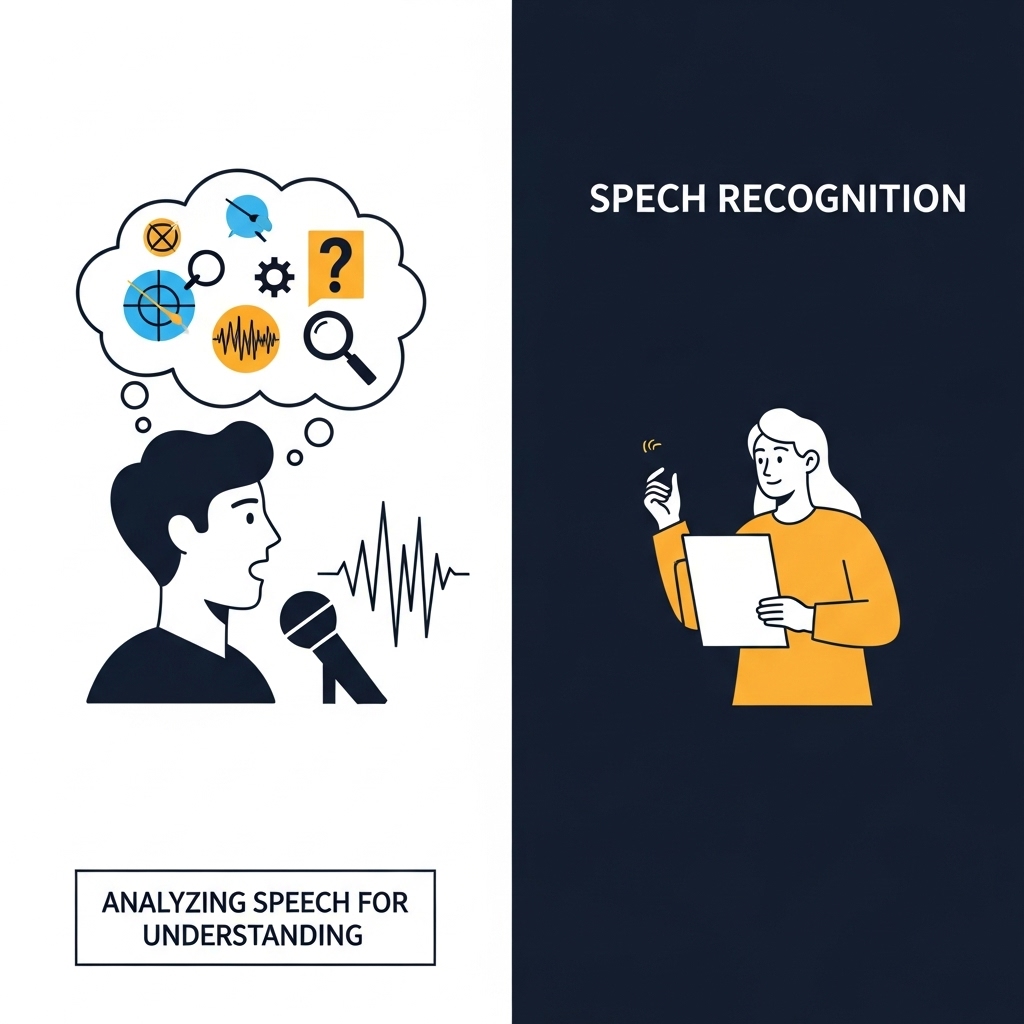
Introduction to Speech Recognition and Speech to Text Technology
Speech recognition and speech to text technology are two closely related yet distinct technologies that have been gaining popularity in recent years. While they are often used interchangeably, they serve different purposes and have different functionalities. In this article, we will delve into the differences between speech recognition and speech to text technology, exploring their definitions, applications, and examples. By the end of this article, readers will have a comprehensive understanding of these technologies and their unique characteristics.
What is Speech Recognition Technology?
Speech recognition technology, also known as automatic speech recognition (ASR), is a technology that enables machines to identify and interpret spoken language. It uses algorithms and machine learning models to analyze audio signals and transcribe them into text or perform specific actions. Speech recognition technology is commonly used in virtual assistants, such as Siri, Alexa, and Google Assistant, to understand voice commands and respond accordingly. For instance, when you ask Siri to "set a reminder for tomorrow at 10 am," the speech recognition technology analyzes your voice and sends a command to the device to create a reminder at the specified time.
What is Speech to Text Technology?
Speech to text technology, also known as speech transcription, is a technology that converts spoken language into written text. It uses speech recognition algorithms to transcribe audio or video recordings into text, allowing users to read and edit the content. Speech to text technology is commonly used in applications such as dictation software, transcription services, and closed captions for videos. For example, when you use a dictation software to write an email, the speech to text technology transcribes your spoken words into text, allowing you to edit and send the email.
Key Differences Between Speech Recognition and Speech to Text Technology
While both speech recognition and speech to text technology involve analyzing spoken language, there are significant differences between them. The primary difference lies in their purpose and output. Speech recognition technology is designed to identify spoken language and perform specific actions, whereas speech to text technology is designed to transcribe spoken language into written text. Another difference is the level of accuracy required for each technology. Speech recognition technology can tolerate some level of inaccuracy, as the primary goal is to understand the intent behind the spoken words. In contrast, speech to text technology requires high accuracy, as the transcribed text needs to be accurate and readable.
Applications of Speech Recognition and Speech to Text Technology
Both speech recognition and speech to text technology have a wide range of applications across various industries. Speech recognition technology is used in virtual assistants, voice-controlled devices, and automotive systems. It is also used in customer service chatbots and voice-activated home automation systems. On the other hand, speech to text technology is used in dictation software, transcription services, and closed captions for videos. It is also used in language learning apps and accessibility tools for people with disabilities. For instance, speech to text technology can be used to provide real-time captions for live events, such as conferences and lectures, making them more accessible to people with hearing impairments.
Examples and Use Cases
There are numerous examples and use cases for both speech recognition and speech to text technology. For instance, a company like IBM uses speech recognition technology to develop virtual assistants that can understand and respond to customer inquiries. On the other hand, a company like Rev.com uses speech to text technology to provide transcription services for podcasts, videos, and interviews. Another example is the use of speech to text technology in medical transcription, where doctors can dictate patient notes and have them transcribed into written text. These examples demonstrate the versatility and potential of these technologies to improve efficiency, accessibility, and overall user experience.
Conclusion
In conclusion, speech recognition and speech to text technology are two distinct technologies that serve different purposes and have different functionalities. While speech recognition technology is designed to identify spoken language and perform specific actions, speech to text technology is designed to transcribe spoken language into written text. Understanding the differences between these technologies can help developers, businesses, and individuals to choose the right technology for their specific needs and applications. As these technologies continue to evolve and improve, we can expect to see more innovative applications and use cases that transform the way we interact with machines and access information.