
Introduction to Emergency Funds
An emergency fund is a pool of money set aside to cover unexpected expenses, such as car repairs, medical bills, or losing a job. Having an emergency fund in place can help reduce financial stress and prevent debt when unexpected events occur. But how much should you save in your emergency fund? The ideal amount varies based on individual circumstances, and in this article, we will explore the factors to consider when determining your ideal emergency fund amount.
Understanding the Importance of Emergency Funds
Emergency funds serve as a financial safety net, providing peace of mind and financial stability. Without an emergency fund, you may be forced to rely on credit cards or loans, which can lead to debt and interest payments. Additionally, an emergency fund can help you avoid dipping into long-term savings, such as retirement accounts, which can result in penalties and taxes. By having a cushion of savings, you can navigate unexpected expenses and stay on track with your financial goals.
Factors to Consider When Determining Your Ideal Emergency Fund Amount
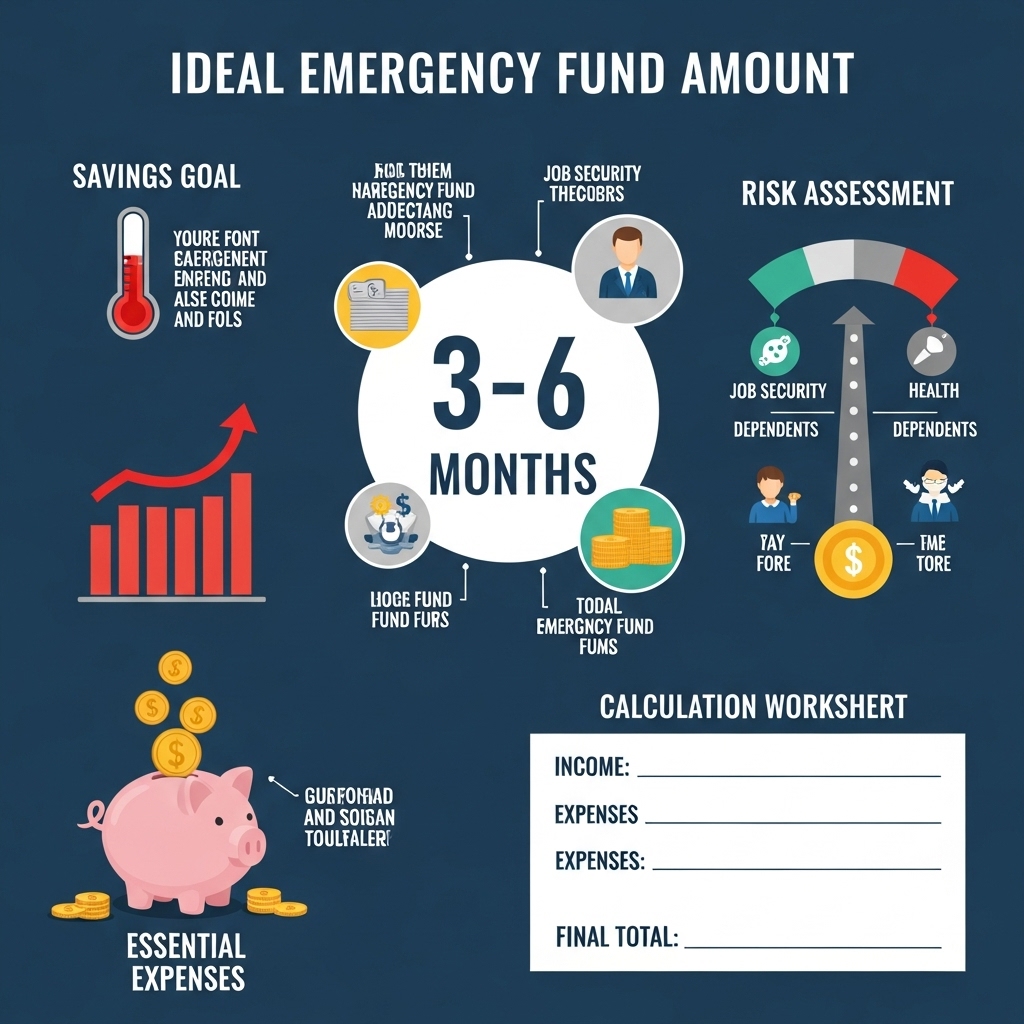
Several factors influence the ideal emergency fund amount, including income, expenses, job security, and dependents. For example, if you have a stable job with a steady income, you may require a smaller emergency fund. On the other hand, if you are self-employed or have a variable income, you may need a larger emergency fund to account for potential fluctuations in income. Additionally, if you have dependents, such as a spouse or children, you may need to save more to ensure their financial well-being in case of an emergency.
General Guidelines for Emergency Fund Amounts
While there is no one-size-fits-all answer to the ideal emergency fund amount, general guidelines suggest saving 3-6 months' worth of living expenses. This amount can provide a sufficient cushion in case of unexpected events, such as a job loss or medical emergency. For example, if your monthly living expenses are $4,000, you may aim to save $12,000 to $24,000 in your emergency fund. However, this amount may vary based on your individual circumstances, such as your income, debt, and financial goals.
Special Considerations for Certain Individuals
Certain individuals may require a larger or smaller emergency fund based on their unique circumstances. For example, retirees may require a larger emergency fund to account for potential medical expenses or long-term care costs. On the other hand, students or young adults with minimal expenses may require a smaller emergency fund. Additionally, individuals with high-interest debt, such as credit card debt, may prioritize debt repayment over building an emergency fund. It's essential to consider your individual circumstances and adjust your emergency fund amount accordingly.
Examples of Emergency Fund Scenarios
Let's consider a few examples to illustrate the importance of emergency funds. Suppose you lose your job and need to cover 3 months of living expenses, including rent, utilities, and food. If your monthly expenses are $3,500, you would need $10,500 in your emergency fund to cover this period. Alternatively, if you experience a medical emergency and need to cover out-of-pocket expenses, such as deductibles and copays, you may need to tap into your emergency fund to cover these costs. By having a sufficient emergency fund in place, you can navigate these unexpected events without going into debt.
Conclusion and Next Steps
In conclusion, determining the ideal emergency fund amount requires careful consideration of individual circumstances, including income, expenses, job security, and dependents. While general guidelines suggest saving 3-6 months' worth of living expenses, this amount may vary based on your unique situation. By understanding the importance of emergency funds and considering your individual circumstances, you can create a personalized plan to build a sufficient emergency fund. Start by assessing your expenses, income, and debt, and then set a realistic goal for your emergency fund. With a solid emergency fund in place, you can enjoy peace of mind and financial stability, even in the face of unexpected events.