
Introduction to Realist Evaluation
Realist evaluation is a research methodology that aims to understand how and why certain programs or interventions work in specific contexts. It is based on the idea that the effectiveness of a program depends on the interactions between the program's components, the context in which it is implemented, and the mechanisms that produce the desired outcomes. Realist evaluation is particularly useful in evaluating complex social programs, where the relationships between these factors can be difficult to tease apart. In this article, we will explore the principles and methods of realist evaluation, and provide examples of how it has been applied in various fields.
Key Principles of Realist Evaluation
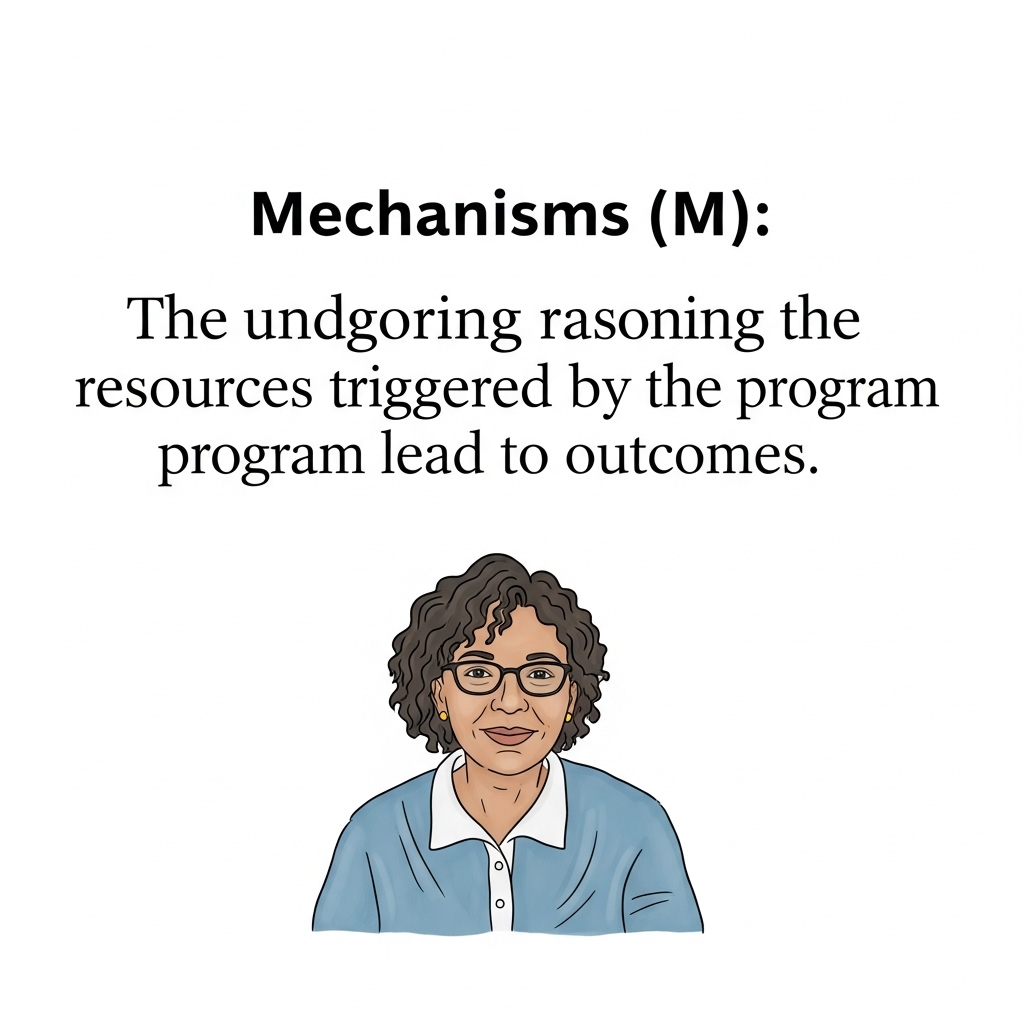
Realist evaluation is guided by a set of key principles that distinguish it from other evaluation approaches. Firstly, realist evaluation is focused on understanding the underlying mechanisms that produce the desired outcomes, rather than just measuring the outcomes themselves. Secondly, it recognizes that the effectiveness of a program depends on the context in which it is implemented, and that the same program may work differently in different contexts. Thirdly, realist evaluation emphasizes the importance of understanding the perspectives and experiences of the stakeholders involved in the program, including the program participants, staff, and other relevant individuals. Finally, realist evaluation is an iterative process, involving ongoing data collection and analysis, and refinement of the evaluation design as new information becomes available.
How Realist Evaluation Works
The realist evaluation process typically involves several stages. The first stage involves developing a theory of change, which outlines the expected mechanisms and outcomes of the program. This theory is then tested through data collection and analysis, which may involve a range of methods, including surveys, interviews, observations, and document analysis. The data are then analyzed to identify the key mechanisms and contextual factors that influence the program's effectiveness, and to refine the theory of change. This process is repeated iteratively, with each cycle of data collection and analysis informing the next stage of the evaluation.
Examples of Realist Evaluation in Practice
Realist evaluation has been applied in a wide range of fields, including healthcare, education, and social welfare. For example, a realist evaluation of a program to improve diabetes management in a low-income community might involve analyzing the interactions between the program's components, such as patient education and support groups, and the contextual factors, such as access to healthcare services and social support. The evaluation might find that the program is most effective when patients have strong social support networks and access to regular healthcare services, and that the patient education component is particularly effective in promoting behavior change. Another example might be a realist evaluation of a school-based program to improve student literacy, which finds that the program is most effective when teachers are highly trained and motivated, and when the school has a strong culture of support for student learning.
Methodological Approaches in Realist Evaluation
Realist evaluation can involve a range of methodological approaches, depending on the research question and the context of the evaluation. Some common approaches include case studies, which involve in-depth analysis of a single program or site, and comparative studies, which involve comparing the outcomes of different programs or sites. Realist evaluation may also involve the use of quantitative methods, such as statistical analysis, to identify patterns and trends in the data, as well as qualitative methods, such as thematic analysis, to explore the meanings and experiences of the stakeholders involved. The choice of methodological approach will depend on the specific research question and the resources available for the evaluation.
Challenges and Limitations of Realist Evaluation
While realist evaluation offers a powerful approach to understanding the effectiveness of complex social programs, it also presents several challenges and limitations. One of the main challenges is the need for ongoing data collection and analysis, which can be time-consuming and resource-intensive. Another challenge is the need to develop a detailed theory of change, which can be difficult to articulate and test. Additionally, realist evaluation requires a high degree of flexibility and adaptability, as the evaluation design may need to be refined or revised in response to new information or changing circumstances. Finally, realist evaluation may be limited by the availability of data and the quality of the data, which can affect the validity and reliability of the findings.
Conclusion
In conclusion, realist evaluation is a powerful approach to understanding the effectiveness of complex social programs. By focusing on the underlying mechanisms and contextual factors that influence program outcomes, realist evaluation can provide a nuanced and detailed understanding of how and why programs work. While it presents several challenges and limitations, realist evaluation offers a valuable framework for evaluating complex social programs, and can inform the development of more effective and sustainable interventions. As the field of evaluation continues to evolve, realist evaluation is likely to play an increasingly important role in promoting evidence-based practice and improving the outcomes of social programs.