
Introduction to Teleophthalmology
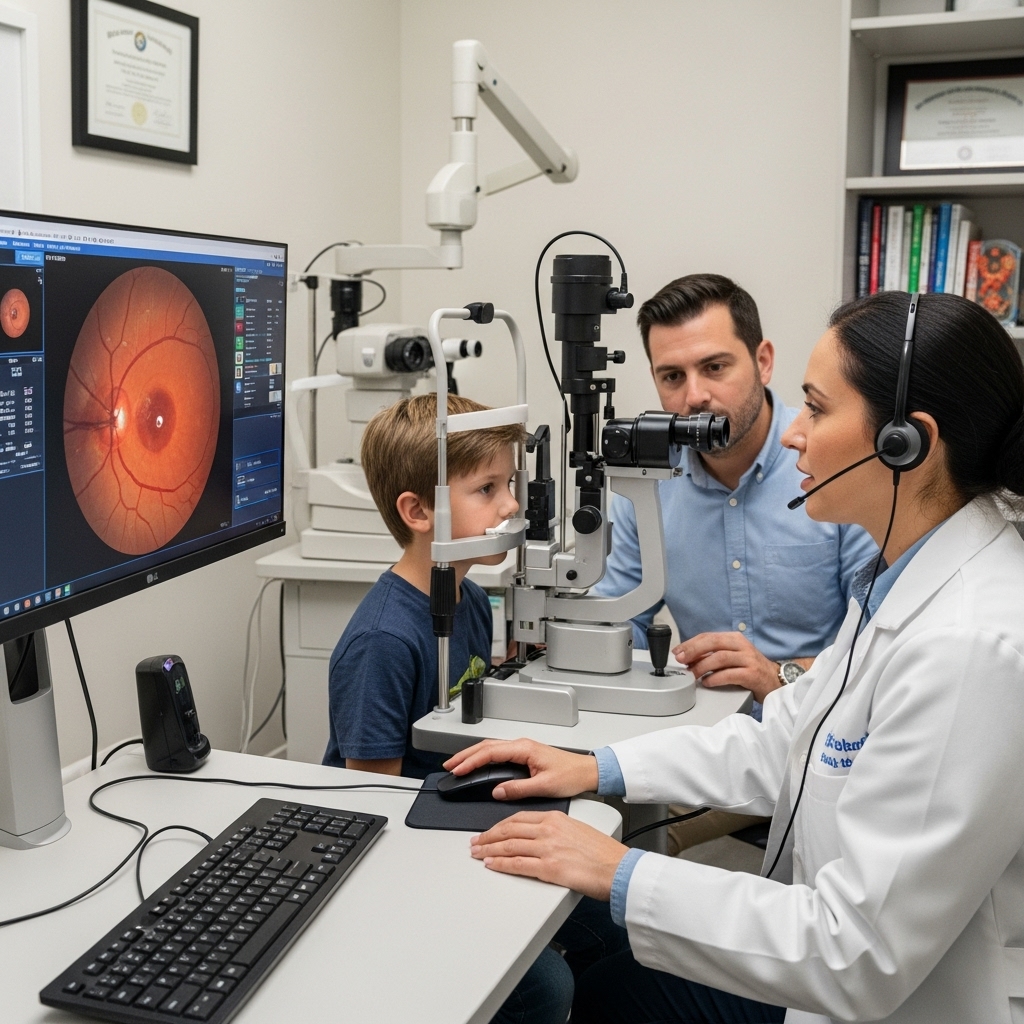
Teleophthalmology, a subset of telemedicine, refers to the use of digital communication and information technologies, such as telephone, video conferencing, and digital imaging, to provide eye care services remotely. This innovative approach has transformed the way ophthalmic care is delivered, making it more accessible, efficient, and cost-effective. Teleophthalmology has the potential to bridge the gap in eye care services, particularly in underserved and remote areas where access to specialized care is limited. In this article, we will delve into the world of teleophthalmology, exploring its definition, benefits, applications, and future directions.
Definition and Scope of Teleophthalmology
Teleophthalmology encompasses a broad range of services, including remote consultations, diagnosis, treatment, and follow-up care. It involves the use of digital technologies to facilitate communication between patients, primary care physicians, and ophthalmologists. The scope of teleophthalmology includes, but is not limited to, diabetic retinopathy screening, glaucoma diagnosis, cataract evaluation, and age-related macular degeneration monitoring. Teleophthalmology can be further divided into two main categories: synchronous and asynchronous teleophthalmology. Synchronous teleophthalmology involves real-time video conferencing between the patient and the ophthalmologist, whereas asynchronous teleophthalmology involves the transmission of digital images or videos for later review by an ophthalmologist.
Benefits of Teleophthalmology
Teleophthalmology offers numerous benefits, including increased accessibility, improved patient outcomes, and reduced healthcare costs. For instance, teleophthalmology can help reduce wait times and travel burdens for patients living in remote or underserved areas. It can also facilitate early detection and treatment of eye diseases, which can prevent vision loss and improve quality of life. Additionally, teleophthalmology can reduce the economic burden on healthcare systems by minimizing the need for in-person visits and reducing hospitalization rates. For example, a study conducted in the United States found that teleophthalmology reduced the cost of diabetic retinopathy screening by 50% compared to traditional in-person screening methods.
Applications of Teleophthalmology
Teleophthalmology has a wide range of applications, including diabetic retinopathy screening, glaucoma diagnosis, and age-related macular degeneration monitoring. For example, the use of artificial intelligence (AI) and machine learning (ML) algorithms can help detect diabetic retinopathy from digital retinal images. Similarly, teleophthalmology can facilitate the diagnosis and monitoring of glaucoma, a leading cause of irreversible blindness worldwide. Teleophthalmology can also be used to monitor patients with age-related macular degeneration, allowing for early detection of disease progression and timely intervention. Furthermore, teleophthalmology can be used in emergency situations, such as ocular trauma or acute angle-closure glaucoma, to provide timely consultation and guidance.
Technologies Used in Teleophthalmology
Teleophthalmology relies on various digital technologies, including video conferencing platforms, digital imaging devices, and electronic health records (EHRs). For instance, high-resolution digital cameras can be used to capture retinal images, which can be transmitted to an ophthalmologist for review. Additionally, portable devices such as smartphones and tablets can be used to facilitate teleophthalmology consultations. The use of EHRs can also streamline the teleophthalmology process, enabling seamless communication between healthcare providers and facilitating the exchange of patient information. Moreover, the use of AI and ML algorithms can help analyze digital images and detect eye diseases, making teleophthalmology more efficient and accurate.
Challenges and Limitations of Teleophthalmology
Despite its numerous benefits, teleophthalmology faces several challenges and limitations, including technological barriers, regulatory issues, and reimbursement challenges. For example, the lack of standardization in digital imaging devices and EHRs can hinder the exchange of patient information and the interpretation of digital images. Additionally, regulatory issues, such as licensure and credentialing, can limit the practice of teleophthalmology across state and national borders. Reimbursement challenges, including variability in insurance coverage and reimbursement rates, can also affect the adoption and sustainability of teleophthalmology services. Moreover, the lack of digital literacy and access to technology can limit patient engagement and participation in teleophthalmology services.
Future Directions of Teleophthalmology
The future of teleophthalmology is promising, with ongoing advancements in digital technologies and increasing adoption of telemedicine services. The integration of AI and ML algorithms, the development of portable and low-cost digital imaging devices, and the expansion of teleophthalmology services to new areas, such as low-resource settings, are expected to drive the growth of teleophthalmology. Additionally, the development of standardized protocols and guidelines for teleophthalmology, as well as the establishment of reimbursement models and regulatory frameworks, will be crucial for the widespread adoption and sustainability of teleophthalmology services. As teleophthalmology continues to evolve, it is likely to play an increasingly important role in improving eye care services, reducing healthcare disparities, and promoting health equity.
Conclusion
In conclusion, teleophthalmology is a rapidly evolving field that has the potential to transform the way eye care services are delivered. With its numerous benefits, including increased accessibility, improved patient outcomes, and reduced healthcare costs, teleophthalmology is likely to play a critical role in addressing the global burden of eye diseases. While challenges and limitations exist, ongoing advancements in digital technologies, increasing adoption of telemedicine services, and the development of standardized protocols and guidelines are expected to drive the growth and sustainability of teleophthalmology. As we move forward, it is essential to prioritize the development of teleophthalmology services that are patient-centered, equitable, and effective, and that prioritize the needs of underserved and vulnerable populations.