
Introduction to Portfolio Rebalancing Tools
Portfolio rebalancing is a crucial investment strategy that involves periodically reviewing and adjusting a portfolio's asset allocation to ensure it remains aligned with an investor's target risk profile and investment objectives. This process is essential for managing risk, maximizing returns, and maintaining a consistent investment approach. With the advent of technology, various tools have emerged to aid in portfolio rebalancing, making the process more efficient, accurate, and accessible to both individual investors and financial institutions. In this article, we will explore the tools that aid in portfolio rebalancing effectively, discussing their features, benefits, and examples of how they can be utilized.
Spreadsheets and Calculation Tools
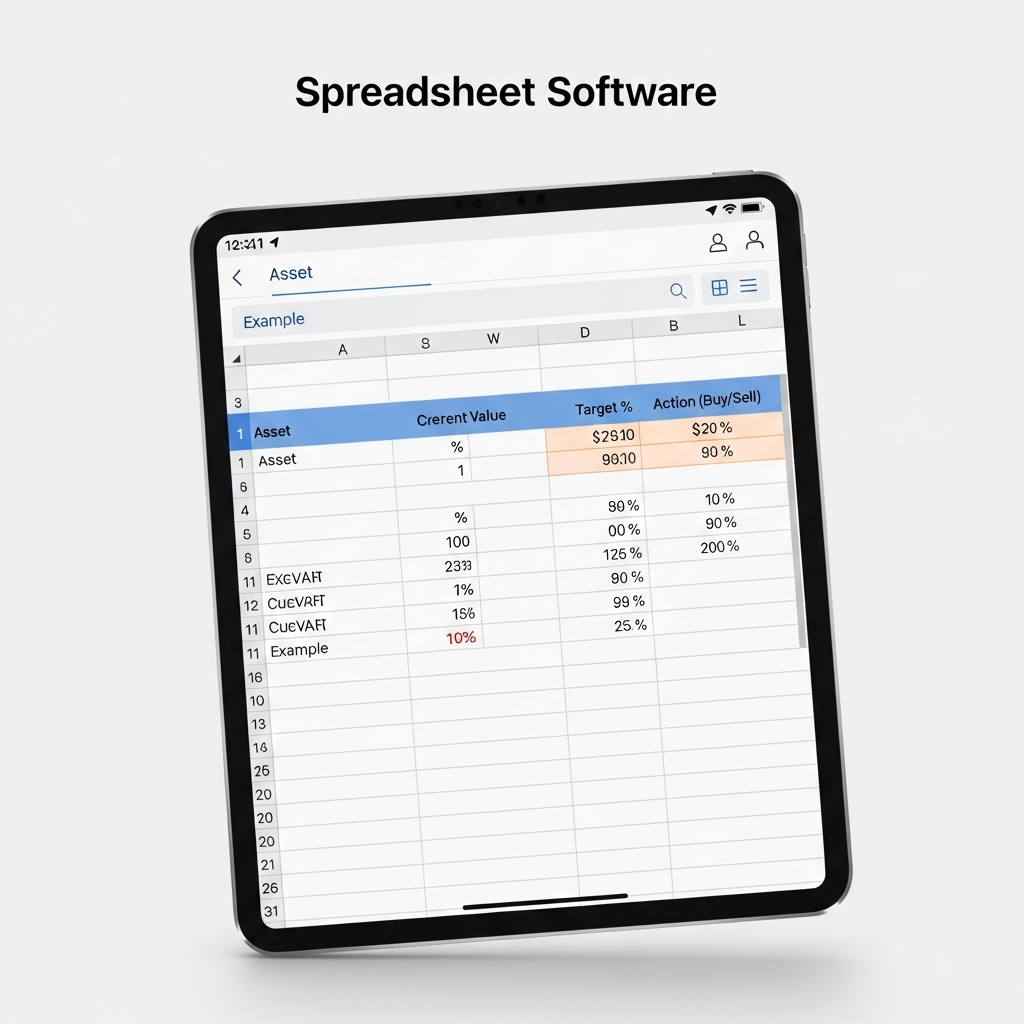
One of the most basic yet effective tools for portfolio rebalancing is the spreadsheet. Programs like Microsoft Excel or Google Sheets offer powerful calculation capabilities that can be leveraged to track portfolio performance, calculate asset allocations, and determine the necessary adjustments to rebalance a portfolio. Investors can input their portfolio holdings, including the number of shares and current prices of each asset, and use formulas to calculate the total portfolio value and the percentage allocation of each asset class. This information can then be used to identify deviations from the target allocation and make the necessary trades to rebalance the portfolio.
For example, an investor with a target allocation of 60% stocks and 40% bonds may use a spreadsheet to track their current allocation and calculate the dollar amount of stocks and bonds that need to be bought or sold to return to the target allocation. This can be particularly useful for small portfolios or for investors who prefer a hands-on approach to managing their investments.
Investment Management Software
Beyond spreadsheets, specialized investment management software offers more advanced features tailored to portfolio rebalancing. These platforms can automatically track portfolio holdings, provide real-time market data, and offer rebalancing recommendations based on predefined investment strategies. They often include tax optimization tools, helping investors minimize tax liabilities when rebalancing their portfolios. Some software also allows for the automation of rebalancing trades, streamlining the process and reducing the need for manual intervention.
Examples of investment management software include platforms like Quicken, Personal Capital, and YNAB (You Need a Budget), which cater to individual investors, and more sophisticated systems like BlackRock's Aladdin or Charles River Development for institutional investors. These tools can significantly enhance the efficiency and effectiveness of portfolio rebalancing, especially for complex portfolios or those requiring frequent adjustments.
Robo-Advisors
Robo-advisors have emerged as a popular tool for portfolio management, including rebalancing. These automated investment platforms use algorithms to create and manage investment portfolios based on an investor's risk tolerance, investment goals, and time horizon. A key feature of robo-advisors is their ability to automatically rebalance portfolios, ensuring that the asset allocation remains aligned with the investor's target risk profile. This automated approach can help reduce emotional decision-making and the costs associated with frequent trading.
For instance, robo-advisors like Betterment, Wealthfront, and Schwab Intelligent Portfolios offer diversified investment portfolios and automatic rebalancing. They also provide tax-loss harvesting, a strategy that involves selling securities that have declined in value to realize losses, which can then be used to offset gains from other investments, thereby reducing tax liability. This feature is particularly beneficial for taxable investment accounts.
Financial Planning and Analysis Tools
Financial planning and analysis tools are designed to help investors and financial advisors create comprehensive financial plans and analyze investment portfolios. These tools can include Monte Carlo simulations, which model different market scenarios to predict potential portfolio outcomes, and asset allocation models, which suggest optimal portfolio mixes based on an investor's goals and risk tolerance. By using these tools, investors can better understand how different asset allocations may impact their portfolio's performance and make informed decisions about rebalancing.
An example of such a tool is Morningstar's Portfolio Manager, which offers portfolio analysis and recommendations, including asset allocation suggestions and portfolio rebalancing guidance. Financial advisors often use these tools to provide clients with personalized investment advice and to demonstrate the potential benefits of rebalancing within the context of a broader financial plan.
Mobile Applications
The rise of mobile technology has led to the development of numerous mobile applications designed to aid in portfolio management and rebalancing. These apps allow investors to monitor their portfolios, receive rebalancing alerts, and even execute trades directly from their smartphones. They often include educational resources and investment news, keeping investors informed about market developments and trends that may impact their portfolios.
Apps like Personal Capital, Investopedia, and StockTwits provide real-time portfolio tracking, news, and community forums where investors can discuss investment strategies and share insights. Some brokerage firms also offer mobile apps that enable clients to manage their accounts, trade securities, and access rebalancing tools and recommendations.
Conclusion
In conclusion, a variety of tools are available to aid in portfolio rebalancing, ranging from basic spreadsheets to sophisticated investment management software and mobile applications. The choice of tool depends on the investor's preference, the complexity of the portfolio, and the desired level of automation and professional advice. Regardless of the tool chosen, the key to effective portfolio rebalancing is regular monitoring and a disciplined approach to maintaining a target asset allocation. By leveraging these tools and staying committed to a long-term investment strategy, investors can better navigate market fluctuations and work towards achieving their financial goals.
As the investment landscape continues to evolve, it is likely that new and innovative tools will emerge to support portfolio rebalancing. Whether an investor prefers a hands-on approach with spreadsheets or a more automated solution like robo-advisors, there are tools available to fit every need and investment style. By understanding and utilizing these tools effectively, investors can enhance their investment experience and improve their potential for long-term financial success.