
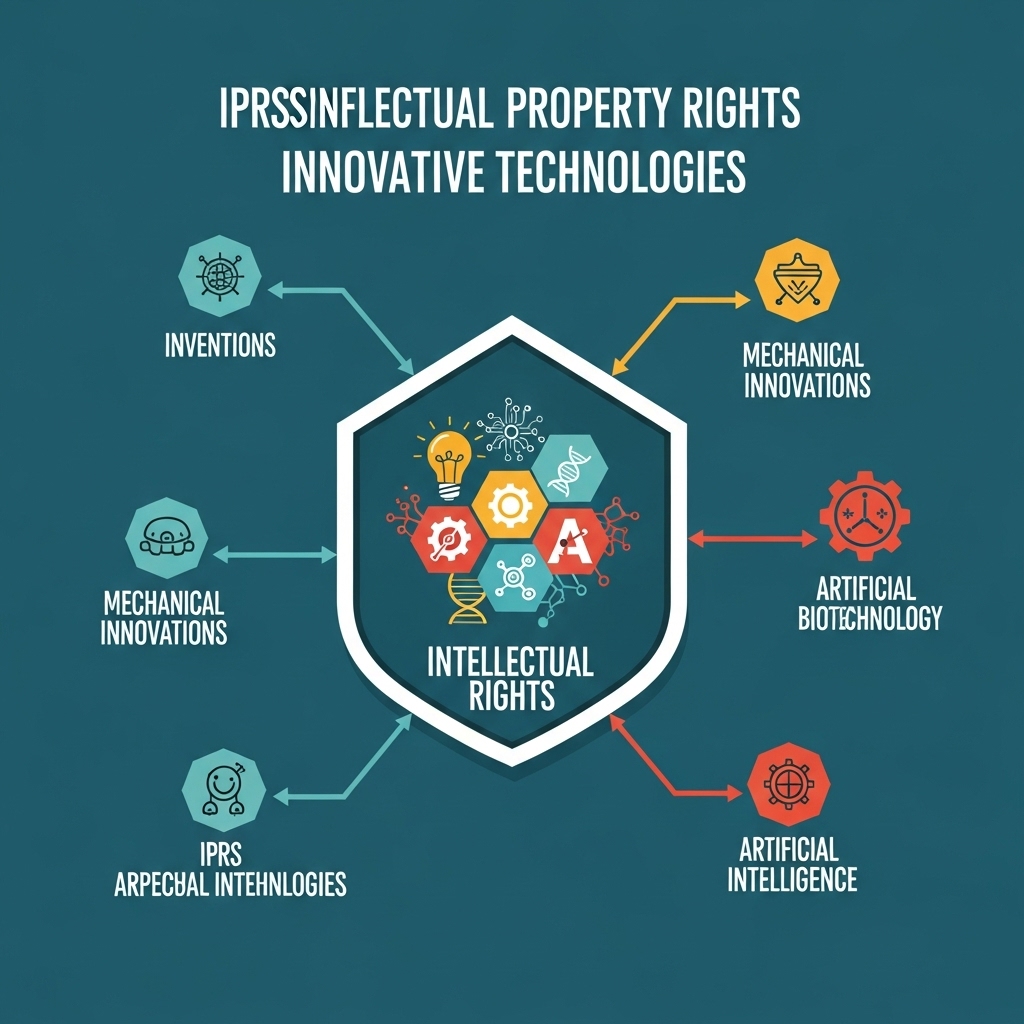
Introduction to Intellectual Property Rights
Intellectual property rights (IPRs) are essential for safeguarding innovative technologies, as they provide legal protection for creators and inventors to exclusively profit from their work. In today's fast-paced technological landscape, innovation is key to staying ahead of the competition. However, without proper protection, innovative technologies can be easily replicated, stolen, or exploited, resulting in significant financial losses and damage to a company's reputation. In this article, we will explore how intellectual property rights can safeguard innovative technologies and the importance of protecting these rights in the digital age.
What are Intellectual Property Rights?
Intellectual property rights refer to the legal rights granted to individuals or companies for their innovative creations, such as inventions, designs, trademarks, copyrights, and trade secrets. These rights provide exclusive ownership and control over the use, production, and distribution of the innovative technology. There are several types of IPRs, including patents, trademarks, copyrights, and trade secrets, each serving a unique purpose in protecting different aspects of innovative technologies.
Patents and Their Role in Safeguarding Innovative Technologies
Patents are a crucial form of intellectual property rights that safeguard innovative technologies by granting exclusive rights to inventors for their novel and non-obvious inventions. A patent provides a monopoly over the production, use, and distribution of the patented technology for a specified period, usually 20 years from the date of filing. For example, tech giants like Apple and Samsung rely heavily on patents to protect their innovative smartphone technologies, such as touchscreen interfaces and wireless charging systems. By obtaining patents for these technologies, these companies can prevent competitors from replicating their designs and maintain a competitive edge in the market.
Trademarks and Brand Protection
Trademarks are another essential form of intellectual property rights that play a vital role in safeguarding innovative technologies. A trademark is a unique symbol, logo, or phrase that identifies a company's brand and distinguishes it from others in the market. Trademarks help to protect a company's reputation and brand identity, which are often closely tied to their innovative technologies. For instance, the "Google" logo and the "iPhone" brand name are both protected by trademarks, preventing other companies from using similar logos or names that could cause consumer confusion.
Copyrights and Software Protection
Copyrights are a type of intellectual property right that safeguards original literary, dramatic, musical, and artistic works, including software code. In the context of innovative technologies, copyrights are essential for protecting software and digital content, such as mobile apps, video games, and e-books. For example, software companies like Microsoft and Adobe rely on copyrights to protect their proprietary software code and prevent unauthorized copying or distribution. By registering their software with the relevant authorities, these companies can enforce their copyrights and prevent piracy and copyright infringement.
Trade Secrets and Confidentiality Agreements
Trade secrets are a type of intellectual property right that safeguard confidential and valuable information, such as recipes, algorithms, or business methods. Trade secrets are not registered with any government agency, but they are protected by confidentiality agreements and non-disclosure agreements (NDAs). Companies like Coca-Cola and KFC rely heavily on trade secrets to protect their proprietary recipes and manufacturing processes. By keeping this information confidential and only sharing it with authorized personnel, these companies can prevent competitors from replicating their products and maintain a competitive edge in the market.
Conclusion and Best Practices
In conclusion, intellectual property rights play a vital role in safeguarding innovative technologies by providing legal protection for creators and inventors to exclusively profit from their work. By understanding the different types of IPRs, including patents, trademarks, copyrights, and trade secrets, companies can take proactive steps to protect their innovative technologies and maintain a competitive edge in the market. Best practices for safeguarding innovative technologies include conducting thorough patent searches, registering trademarks and copyrights, and implementing confidentiality agreements and NDAs to protect trade secrets. By prioritizing intellectual property protection, companies can ensure that their innovative technologies are protected and their investments in research and development are secure.