
Introduction to Misinformation in News Sources
Misinformation in news sources has become a significant concern in recent years, with the rise of social media and the internet making it easier for false information to spread quickly. The spread of misinformation can have serious consequences, including influencing public opinion, affecting election outcomes, and even putting people's lives at risk. Therefore, it is essential to identify and combat misinformation in news sources. In this article, we will discuss how to identify misinformation in news sources and provide tips on how to verify the accuracy of news stories.
Understanding the Types of Misinformation
There are several types of misinformation that can be found in news sources, including disinformation, propaganda, and satire. Disinformation refers to false information that is intentionally spread to deceive or manipulate people. Propaganda is information that is biased or misleading, often used to promote a particular ideology or agenda. Satire, on the other hand, is information that is meant to be humorous or ironic, but can sometimes be mistaken for factual information. It is essential to understand these different types of misinformation to effectively identify and combat them.
Red Flags for Misinformation
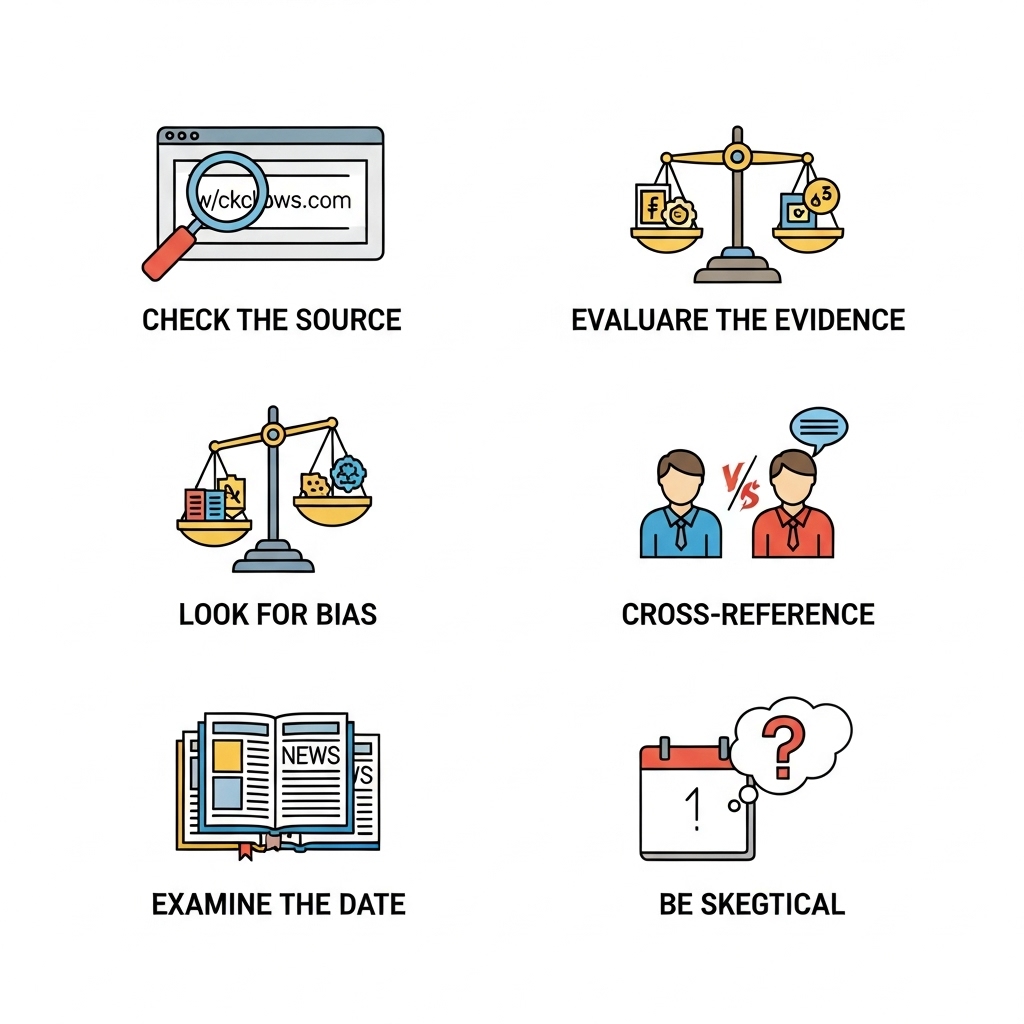
There are several red flags that can indicate that a news story may be misinformation. These include sensational or provocative headlines, lack of credible sources, and grammatical or spelling errors. Additionally, news stories that seem too good (or bad) to be true or that confirm existing biases should be viewed with skepticism. It is also essential to check the domain name and URL of the website to ensure that it is a legitimate news source. For example, a website with a domain name that ends in ".com.co" may be a fake news site, while a website with a domain name that ends in ".gov" or ".edu" is more likely to be a legitimate source of information.
Fact-Checking and Verification
Fact-checking and verification are essential steps in identifying misinformation in news sources. This involves checking the information in a news story against credible sources, such as official government reports, academic studies, or primary sources. There are also several fact-checking websites and organizations, such as Snopes, FactCheck.org, and PolitiFact, that can help verify the accuracy of news stories. Additionally, social media platforms, such as Facebook and Twitter, have implemented fact-checking initiatives to help combat misinformation. For example, Facebook has partnered with fact-checking organizations to flag fake news stories and provide users with accurate information.
The Role of Media Literacy
Media literacy is critical in identifying misinformation in news sources. Media literacy refers to the ability to critically evaluate and analyze the information presented in the media. This involves understanding the differences between opinion and fact, identifying biases and agendas, and recognizing the importance of credible sources. Media literacy can be taught in schools and can help individuals develop the skills they need to effectively evaluate the information they consume. For example, the News Literacy Project is a non-profit organization that provides educational resources and workshops to help students develop media literacy skills.
Conclusion
In conclusion, identifying misinformation in news sources requires a combination of critical thinking, media literacy, and fact-checking. By understanding the types of misinformation, recognizing red flags, and verifying information through credible sources, individuals can effectively identify and combat misinformation. It is essential to promote media literacy and critical thinking skills, particularly among young people, to help them navigate the complex media landscape. Additionally, social media platforms, news organizations, and fact-checking initiatives must work together to combat misinformation and promote accurate and trustworthy information. By taking these steps, we can help to create a more informed and critically thinking public, and reduce the spread of misinformation in news sources.