
Introduction to Digital Learning
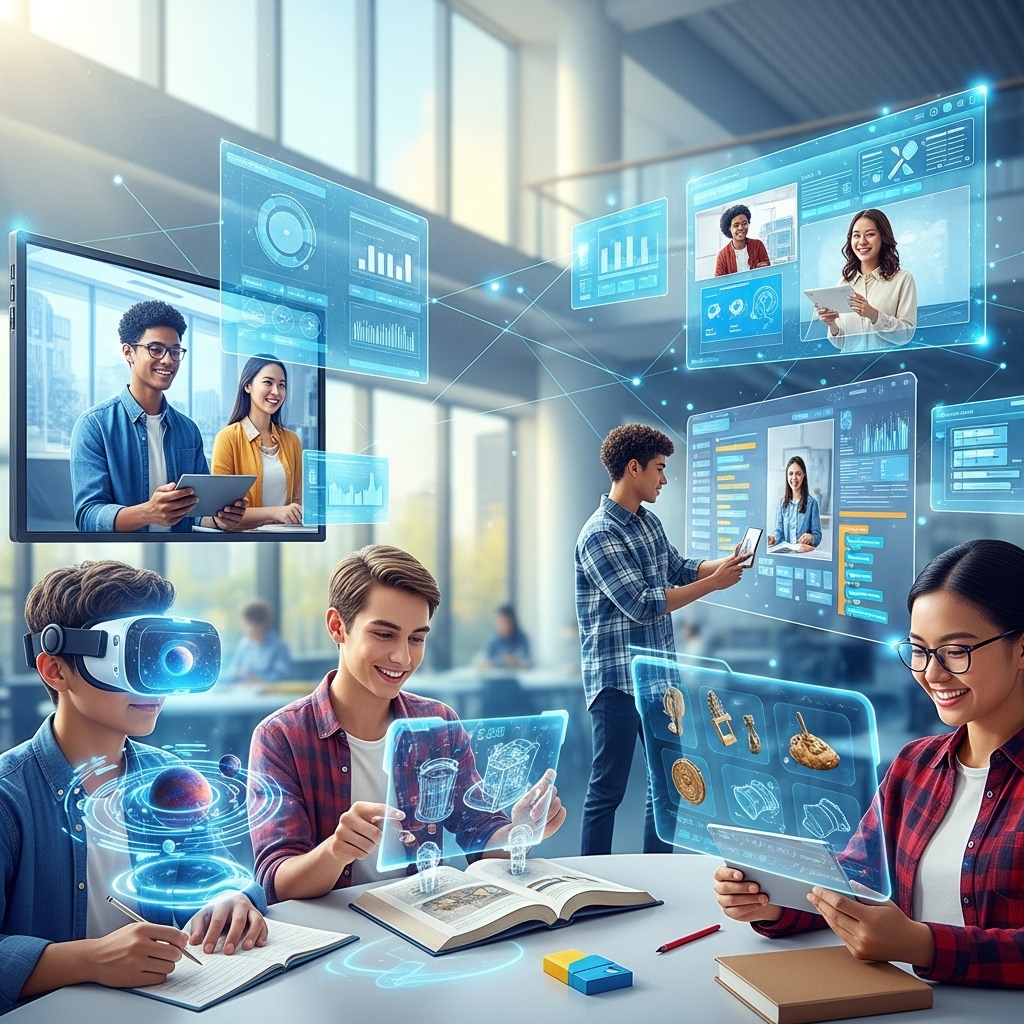
The world of education is undergoing a profound transformation, driven by the advent of digital technologies and innovative pedagogies. The traditional classroom model, where a teacher stands at the front of the room imparting knowledge to a passive audience, is no longer the only way to learn. Digital learning has opened up new frontiers, enabling students to engage with educational content in a more interactive, flexible, and personalized manner. This shift has significant implications for the way we teach and learn, and it is essential to explore the possibilities and challenges of digital learning to harness its full potential.
The Rise of Online Learning Platforms
One of the most significant developments in digital learning is the emergence of online learning platforms. These platforms provide a virtual space for students to access educational resources, interact with instructors, and collaborate with peers. Examples of popular online learning platforms include Coursera, edX, and Udemy, which offer a wide range of courses and degree programs from top universities and institutions worldwide. These platforms have made high-quality education more accessible and affordable, bridging the gap between traditional brick-and-mortar institutions and the digital world.
For instance, a student in a remote village can now access a course on artificial intelligence from a prestigious university, without having to physically attend classes. This has democratized access to education, enabling students from diverse backgrounds to acquire new skills and knowledge. Moreover, online learning platforms have also enabled instructors to reach a broader audience, fostering a global community of learners and promoting cross-cultural exchange.
Personalized Learning and Adaptive Technologies
Digital learning also enables personalized learning, where educational content is tailored to individual students' needs and abilities. Adaptive technologies, such as learning management systems and artificial intelligence-powered tools, can assess a student's knowledge gaps and learning style, providing real-time feedback and recommendations for improvement. This approach has been shown to improve student outcomes, as it allows instructors to target specific areas of difficulty and provide targeted support.
For example, a math teacher can use an adaptive learning platform to create customized lesson plans for each student, based on their performance on previous assignments and quizzes. The platform can also provide real-time analytics, enabling the teacher to track student progress and adjust instruction accordingly. This level of personalization is difficult to achieve in a traditional classroom setting, where instructors often have to cater to a diverse range of learners with varying abilities and learning styles.
Virtual and Augmented Reality in Education
Virtual and augmented reality (VR/AR) technologies are also revolutionizing the educational landscape. These immersive technologies enable students to engage with complex concepts and simulations in a highly interactive and experiential manner. For instance, medical students can use VR to practice surgical procedures, while engineering students can use AR to design and test virtual prototypes. This hands-on approach to learning can enhance student engagement, motivation, and retention, as it provides a more tangible and interactive experience.
A notable example of VR in education is the use of Google Expeditions, which enables students to embark on virtual field trips to historical sites, museums, and other cultural institutions. This can broaden students' perspectives, foster empathy, and promote cultural understanding, all while providing a unique and memorable learning experience. Similarly, AR can be used to create interactive textbooks, where students can scan a page and access additional multimedia content, such as videos, images, and 3D models.
Flipped Classrooms and Blended Learning
The flipped classroom model is another innovative approach to education, where students learn foundational concepts at home through online resources, and then work on applied projects and discussions in the classroom. This approach reverses the traditional lecture-homework format, enabling instructors to focus on higher-level thinking and problem-solving activities. Blended learning, which combines online and face-to-face instruction, can also provide a more flexible and effective learning experience.
For example, a teacher can create video lectures and online tutorials, which students can access at home, and then use class time for group discussions, debates, and hands-on activities. This approach can promote deeper learning, as students are able to apply theoretical concepts to real-world problems and collaborate with peers to develop solutions. Moreover, blended learning can also cater to different learning styles, as students can choose to learn at their own pace and review material as needed.
Challenges and Limitations of Digital Learning
While digital learning offers numerous benefits, there are also challenges and limitations to consider. One of the primary concerns is equity and access, as not all students have equal access to digital devices, internet connectivity, and technological literacy. Additionally, digital learning can lack the social interaction and human touch of traditional classrooms, which can lead to feelings of isolation and disconnection.
Moreover, the quality of digital learning resources can vary significantly, and instructors may need to invest time and effort to curate and develop high-quality content. Furthermore, digital learning can also raise concerns about data privacy, security, and intellectual property, which must be addressed through robust policies and protocols. Despite these challenges, the benefits of digital learning far outweigh the limitations, and educators must work to address these concerns and create inclusive, effective, and engaging learning environments.
Conclusion: Embracing the Future of Education
In conclusion, digital learning is revolutionizing the educational landscape, offering new opportunities for personalized, interactive, and flexible learning. From online learning platforms to virtual and augmented reality, innovative pedagogies are transforming the way we teach and learn. While there are challenges and limitations to consider, the benefits of digital learning are undeniable, and educators must work to harness its full potential to create a more inclusive, effective, and engaging educational experience for all.
As we move forward, it is essential to continue exploring the frontiers of digital learning, investing in teacher training and support, and developing high-quality educational resources. By embracing the future of education, we can empower students to succeed in an increasingly complex and interconnected world, and create a brighter, more equitable future for all. Ultimately, the revolution in digital learning is not just about technology – it is about creating a more just, compassionate, and enlightened world, where every individual has the opportunity to reach their full potential.