
Introduction
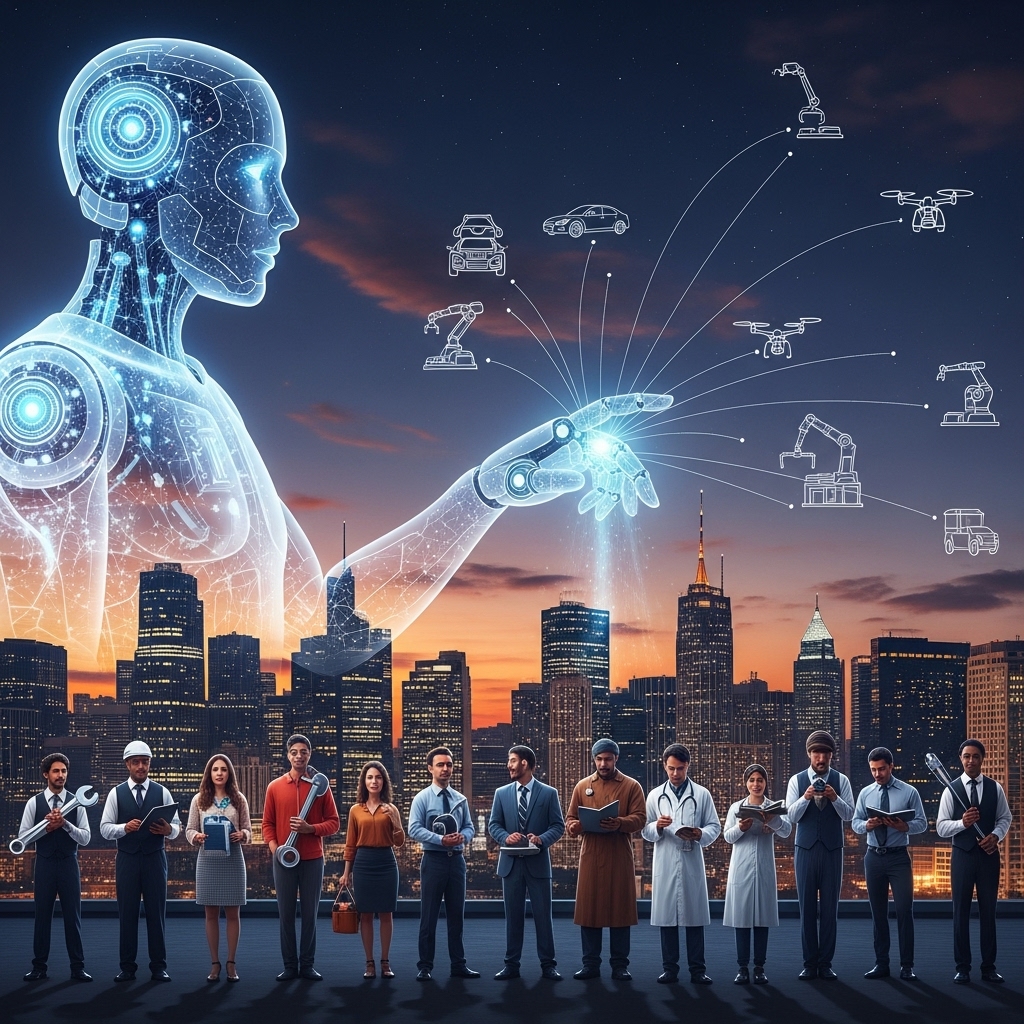
The rise of artificial intelligence (AI) has sparked intense debate about its potential impact on human employment. As AI technology continues to advance and become more integrated into various industries, many are left wondering what the future holds for jobs and the workforce. Will AI replace human workers, or will it create new opportunities for growth and development? In this article, we will explore the future implications of artificial intelligence on human employment, examining both the potential benefits and drawbacks of this emerging technology.
The Automation of Routine Tasks
One of the most significant implications of AI on human employment is the automation of routine tasks. AI algorithms can process and analyze vast amounts of data, perform repetitive tasks, and make decisions based on patterns and trends. This has led to the automation of many jobs, particularly in sectors such as manufacturing, customer service, and data entry. For example, chatbots are now commonly used to handle customer inquiries, freeing up human customer support agents to focus on more complex issues. While this may lead to job losses in some areas, it also creates opportunities for workers to develop new skills and take on more strategic and creative roles.
Job Displacement and Creation
As AI continues to automate routine tasks, there is a growing concern that it will displace human workers, particularly in sectors where tasks are repetitive or can be easily codified. According to a report by the McKinsey Global Institute, up to 800 million jobs could be lost worldwide due to automation by 2030. However, the same report also suggests that up to 140 million new jobs could be created, particularly in fields such as AI development, deployment, and maintenance. For instance, the growth of the renewable energy sector has created new job opportunities in areas such as solar panel installation and wind turbine maintenance.
The Rise of the Gig Economy
The increasing use of AI is also contributing to the rise of the gig economy, where workers engage in short-term, flexible work arrangements. Platforms such as Uber and Airbnb have already disrupted traditional employment models, and AI is likely to further accelerate this trend. With the help of AI, workers can now access a wide range of freelance opportunities, from virtual assistance to content creation. While the gig economy offers flexibility and autonomy, it also raises concerns about job security, benefits, and workers' rights.
Upskilling and Reskilling
To remain relevant in an AI-driven job market, workers will need to develop new skills and adapt to changing industry requirements. This will require significant investment in education and training programs, particularly in areas such as data science, machine learning, and programming. Governments, educational institutions, and employers must work together to provide workers with the skills they need to thrive in an AI-driven economy. For example, companies such as Google and Microsoft are already offering free online courses and certification programs in AI and data science.
Ethical Considerations
The increasing use of AI in the workplace also raises important ethical considerations, particularly around issues such as bias, transparency, and accountability. As AI algorithms make decisions that affect workers and customers, there is a growing need for frameworks and regulations that ensure fairness and accountability. For instance, the European Union's General Data Protection Regulation (GDPR) has established strict guidelines for the use of personal data, including requirements for transparency and consent.
Conclusion
In conclusion, the future implications of artificial intelligence on human employment are complex and multifaceted. While AI has the potential to automate routine tasks and displace certain jobs, it also creates new opportunities for growth, development, and innovation. To mitigate the negative impacts of AI on employment, it is essential to invest in education and training programs, promote transparency and accountability, and establish frameworks that ensure fairness and equity. Ultimately, the future of work will depend on our ability to adapt, innovate, and work together to create a future where humans and AI collaborate to create value and prosperity for all.