
Introduction to AI in Education
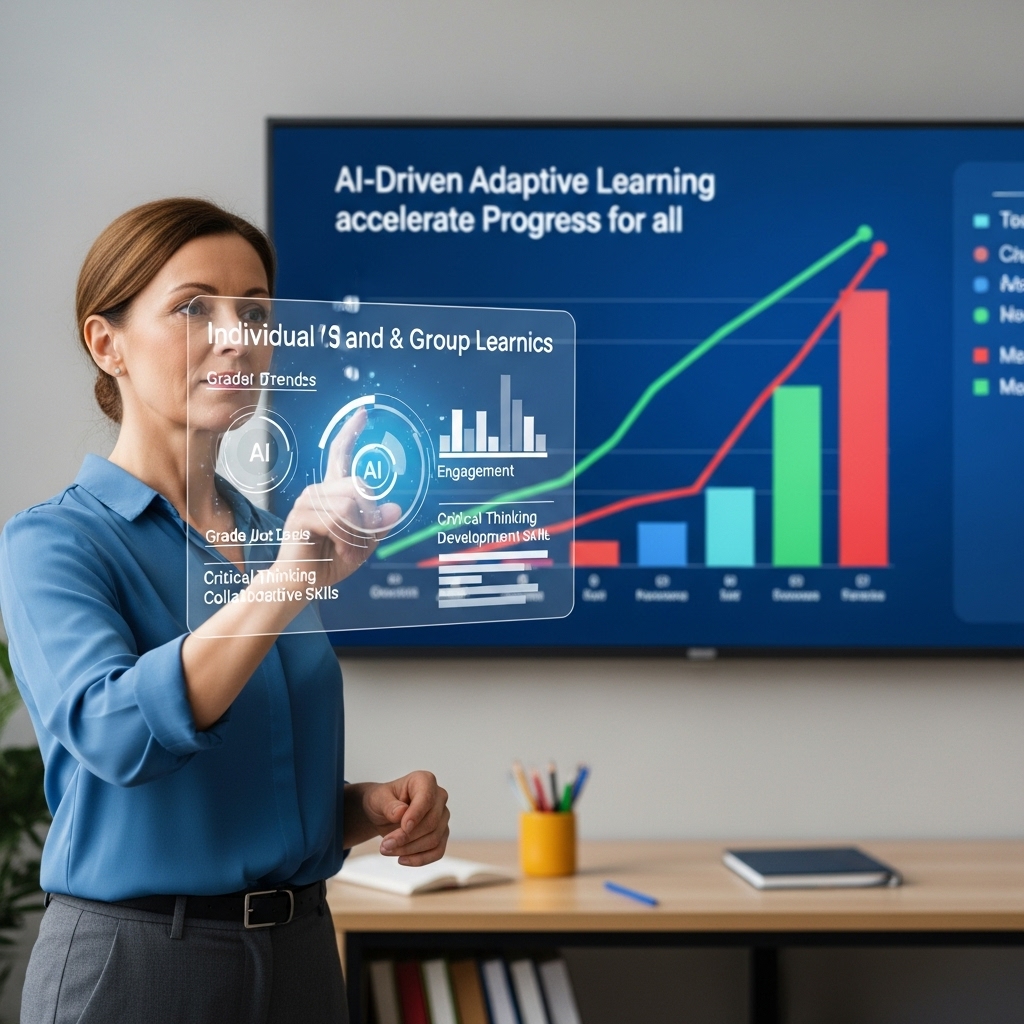
The integration of Artificial Intelligence (AI) in education has been a topic of significant interest and debate in recent years. As AI technologies continue to evolve and improve, they are being increasingly used in educational settings to enhance teaching, learning, and assessment. One of the key areas where AI is having a profound impact is in the measurement and evaluation of student performance. In this article, we will explore the implications of AI on education performance metrics and assessment, and what this means for students, teachers, and the education system as a whole.
Traditional vs. AI-Driven Assessment Methods
Traditional methods of assessment, such as multiple-choice questions and written exams, have been used for decades to evaluate student performance. However, these methods have several limitations, including bias, subjectivity, and a lack of personalization. AI-driven assessment methods, on the other hand, use machine learning algorithms to analyze student data and provide more accurate and personalized feedback. For example, AI-powered adaptive assessments can adjust the difficulty level of questions in real-time based on a student's performance, providing a more accurate measure of their knowledge and skills.
Benefits of AI in Education Performance Metrics
The use of AI in education performance metrics has several benefits, including improved accuracy, increased efficiency, and enhanced student outcomes. AI algorithms can analyze large amounts of data quickly and accurately, reducing the administrative burden on teachers and allowing them to focus on teaching and supporting students. Additionally, AI-driven assessments can provide immediate feedback to students, helping them to identify areas where they need to improve and track their progress over time. For instance, AI-powered learning management systems can use data analytics to identify students who are at risk of falling behind and provide targeted interventions to support them.
Challenges and Limitations of AI in Education
While AI has the potential to revolutionize education performance metrics and assessment, there are also several challenges and limitations that need to be addressed. One of the main concerns is the potential for bias in AI algorithms, which can perpetuate existing inequalities and disparities in education. For example, if an AI algorithm is trained on biased data, it may discriminate against certain groups of students, such as those from low-income backgrounds or with disabilities. Additionally, there are concerns about the lack of transparency and accountability in AI-driven assessment methods, which can make it difficult for students and teachers to understand how grades and feedback are being generated.
Examples of AI in Education Performance Metrics
There are several examples of AI being used in education performance metrics and assessment, including automated grading systems, natural language processing tools, and predictive analytics. For instance, the University of California, Berkeley, has developed an AI-powered grading system that can grade essays and short-answer questions with a high degree of accuracy. Similarly, the company DreamBox Learning has developed an AI-powered math education platform that provides personalized feedback and support to students. These examples demonstrate the potential of AI to enhance education performance metrics and assessment, but also highlight the need for careful consideration of the challenges and limitations involved.
Future Directions for AI in Education
As AI continues to evolve and improve, it is likely to have an increasingly significant impact on education performance metrics and assessment. One potential future direction is the development of more sophisticated AI algorithms that can analyze complex data sets and provide more nuanced and detailed feedback to students. Another potential direction is the integration of AI with other technologies, such as virtual and augmented reality, to create more immersive and interactive learning experiences. Ultimately, the key to realizing the potential of AI in education will be to address the challenges and limitations involved and ensure that AI is used in a way that is transparent, accountable, and equitable.
Conclusion
In conclusion, the implications of AI on education performance metrics and assessment are significant and far-reaching. While there are several benefits to using AI in education, including improved accuracy and increased efficiency, there are also challenges and limitations that need to be addressed. As AI continues to evolve and improve, it is likely to have an increasingly significant impact on education, and it is essential that educators, policymakers, and technologists work together to ensure that AI is used in a way that supports the best interests of students and society as a whole. By doing so, we can harness the potential of AI to enhance education performance metrics and assessment, and create a more equitable and effective education system for all.