
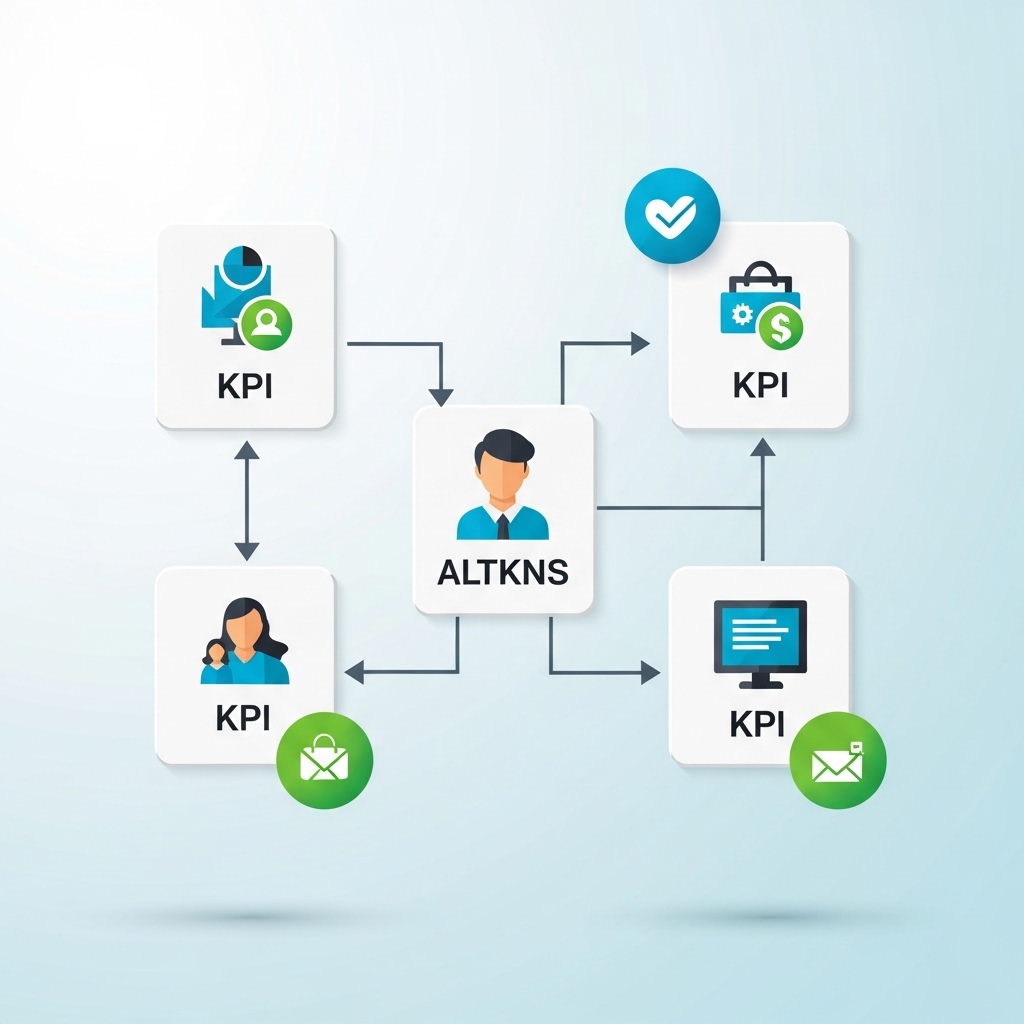
Introduction to Key Performance Indicators
Key Performance Indicators (KPIs) are quantifiable measures used to evaluate the success of an organization, employee, or specific activity in achieving its objectives. They are essential tools for measuring outcomes, as they provide insights into what is working and what areas need improvement. In this article, we will explore the concept of KPIs, their importance, and the different types of indicators that can be used to measure outcomes. We will also provide examples of KPIs in various contexts to illustrate their application.
Why are KPIs Important for Measuring Outcomes?
KPIs are crucial for measuring outcomes because they help organizations to focus on what matters most, allocate resources effectively, and make informed decisions. By setting clear and measurable objectives, organizations can track their progress, identify areas of improvement, and adjust their strategies accordingly. KPIs also enable organizations to evaluate the impact of their activities, programs, or services on their target audience, stakeholders, or the environment. This information can be used to refine and improve the delivery of services, leading to better outcomes and increased efficiency.
Types of Key Performance Indicators
There are different types of KPIs that can be used to measure outcomes, including lagging indicators, leading indicators, input indicators, output indicators, and outcome indicators. Lagging indicators measure past performance, while leading indicators predict future performance. Input indicators measure the resources used to achieve an objective, while output indicators measure the quantity or quality of the products or services delivered. Outcome indicators, on the other hand, measure the impact or effect of an activity or program on the target audience or stakeholders. For example, the number of students graduating from a university is an output indicator, while the employment rate of graduates six months after graduation is an outcome indicator.
Examples of Key Performance Indicators
Here are some examples of KPIs in different contexts: in healthcare, KPIs might include the percentage of patients who receive timely treatment, the rate of hospital readmissions, or the patient satisfaction rate. In education, KPIs might include the student graduation rate, the average grade point average, or the percentage of students who pursue higher education. In business, KPIs might include revenue growth, customer satisfaction, or the return on investment (ROI) of marketing campaigns. For instance, a company might set a KPI to increase sales by 10% within the next quarter, or to reduce customer complaints by 20% within the next six months.
How to Set Effective Key Performance Indicators
Setting effective KPIs requires careful consideration of the organization's objectives, goals, and priorities. The following steps can be taken to set effective KPIs: first, identify the organization's strategic objectives and goals. Second, determine what needs to be measured to achieve those objectives. Third, select a small set of relevant and meaningful indicators that can be used to measure progress. Fourth, ensure that the KPIs are specific, measurable, achievable, relevant, and time-bound (SMART). Finally, establish a system for collecting and analyzing data, and for reporting and reviewing KPI performance on a regular basis.
Challenges and Limitations of Key Performance Indicators
While KPIs are essential tools for measuring outcomes, they also have some limitations and challenges. One of the main challenges is ensuring that KPIs are aligned with the organization's strategic objectives and goals. Another challenge is collecting and analyzing accurate and reliable data, particularly in contexts where data is limited or difficult to obtain. Additionally, KPIs can be subject to manipulation or gaming, where individuals or teams manipulate the data to achieve the desired outcome. To overcome these challenges, it is essential to regularly review and refine KPIs, and to ensure that they are aligned with the organization's overall mission and vision.
Conclusion
In conclusion, Key Performance Indicators are essential tools for measuring outcomes in various contexts. By setting clear and measurable objectives, organizations can track their progress, identify areas of improvement, and adjust their strategies accordingly. While KPIs have some limitations and challenges, they provide valuable insights into what is working and what areas need improvement. By understanding the different types of KPIs, setting effective indicators, and regularly reviewing and refining them, organizations can use KPIs to drive improvement, achieve their objectives, and ultimately, improve outcomes. Whether in healthcare, education, business, or other sectors, KPIs play a critical role in evaluating performance, making informed decisions, and achieving success.