
Introduction to Grassroots Innovation in Social Activism
Grassroots innovation in social activism movements has become a powerful force for change globally. It refers to the creative and often unconventional approaches that individuals and communities use to address social, economic, and environmental issues. These innovations are driven by a desire to challenge existing power structures and promote social justice, equality, and human rights. In this article, we will explore the key drivers of grassroots innovation in social activism movements, highlighting examples from around the world.
Community Engagement and Participation
Community engagement and participation are essential drivers of grassroots innovation in social activism. When individuals and communities are empowered to take ownership of social issues, they are more likely to develop innovative solutions that address their specific needs and contexts. For example, the Occupy Wall Street movement in the United States, which began in 2011, used social media and public gatherings to mobilize people and raise awareness about economic inequality. The movement's emphasis on community participation and inclusivity helped to create a sense of collective ownership and driven innovation, with protesters using creative tactics such as flash mobs and guerrilla theater to convey their message.
Access to Technology and Social Media
Access to technology and social media has also played a significant role in driving grassroots innovation in social activism. Social media platforms have enabled activists to connect with each other, share information, and mobilize support for their causes. The Arab Spring protests in 2010-2012, for instance, relied heavily on social media to organize and coordinate demonstrations, as well as to disseminate information and counter government propaganda. The use of hashtags, such as #Jan25 in Egypt, helped to create a sense of unity and solidarity among protesters, while also allowing them to track and respond to developments in real-time.
Collaboration and Networking
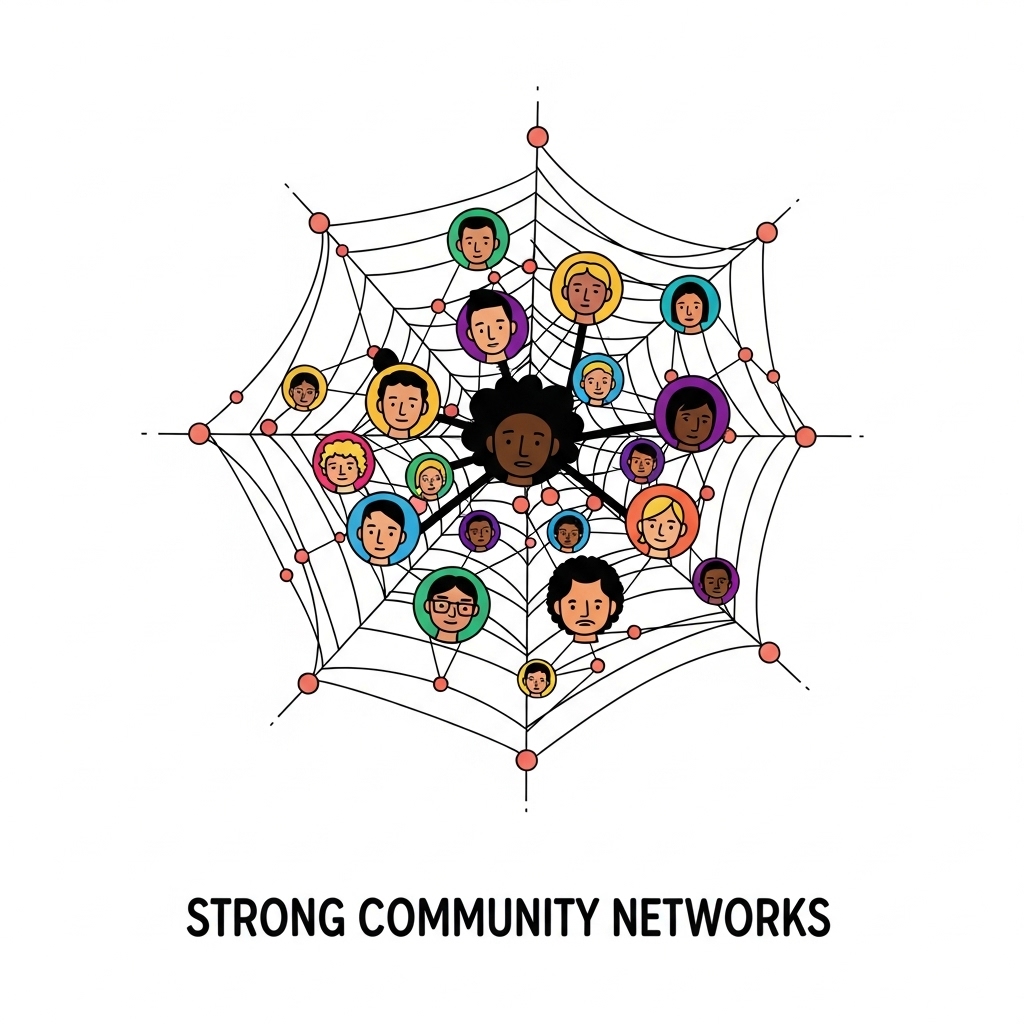
Collaboration and networking are critical components of grassroots innovation in social activism. When individuals and organizations work together, they can pool their resources, share knowledge, and build on each other's strengths. The environmental movement, for example, has seen numerous collaborations between grassroots groups, NGOs, and community organizations. The Climate Justice Movement, which emerged in the early 2000s, has brought together activists from diverse backgrounds to campaign for climate justice and challenge the dominance of fossil fuel corporations. This collaboration has led to innovative tactics, such as the use of direct action and civil disobedience, as well as the development of new technologies and strategies for reducing carbon emissions.
Empowerment and Capacity Building
Empowerment and capacity building are also essential drivers of grassroots innovation in social activism. When individuals and communities are empowered with the skills, knowledge, and confidence to take action, they are more likely to develop innovative solutions to social problems. The Self-Employed Women's Association (SEWA) in India, for example, has empowered thousands of women to take control of their economic lives through training, education, and collective action. SEWA's innovative approach has included the development of cooperative businesses, such as textile production and street vending, which have helped women to gain financial independence and challenge patriarchal norms.
Challenging Existing Power Structures
Grassroots innovation in social activism often involves challenging existing power structures and promoting alternative forms of governance and decision-making. The Zapatista movement in Mexico, for instance, has developed a unique system of autonomous governance, which emphasizes participatory democracy and collective decision-making. The Zapatistas' innovative approach has included the creation of cooperatives, community schools, and healthcare programs, which have helped to empower indigenous communities and challenge the dominance of the Mexican state.
Conclusion
In conclusion, grassroots innovation in social activism movements is driven by a complex interplay of factors, including community engagement and participation, access to technology and social media, collaboration and networking, empowerment and capacity building, and a willingness to challenge existing power structures. As we have seen through the examples highlighted in this article, grassroots innovation has the potential to transform social, economic, and environmental outcomes, and to promote greater justice, equality, and human rights. By supporting and amplifying grassroots innovation, we can help to create a more just and equitable world, and ensure that the voices and perspectives of marginalized communities are heard and valued.