
Introduction to Functionalism
Functionalism is a theoretical framework that has been widely used in both sociology and psychology to understand the workings of complex systems, whether they be societies, institutions, or the human mind. At its core, functionalism posits that every aspect of a system serves a specific function, contributing to the stability and efficiency of the system as a whole. This principle guides the analysis of social structures, behaviors, and mental processes, providing insights into how different components interact and depend on each other. In this article, we will delve into the core principle of functionalism in sociology and psychology, exploring its applications, examples, and implications for understanding human societies and behavior.
Functionalism in Sociology
In sociology, functionalism is used to analyze societies and social institutions. It suggests that social structures and institutions, such as family, education, and government, exist because they serve essential functions for the survival and well-being of society. For instance, the family unit is seen as providing emotional support, socialization of children, and economic cooperation, all of which are crucial for the continuation of society. Similarly, the education system functions to impart knowledge, skills, and social norms to the younger generation, preparing them to contribute to society. This perspective emphasizes the interconnectedness of social elements and how they work together to maintain social order and stability.
Functionalism in Psychology
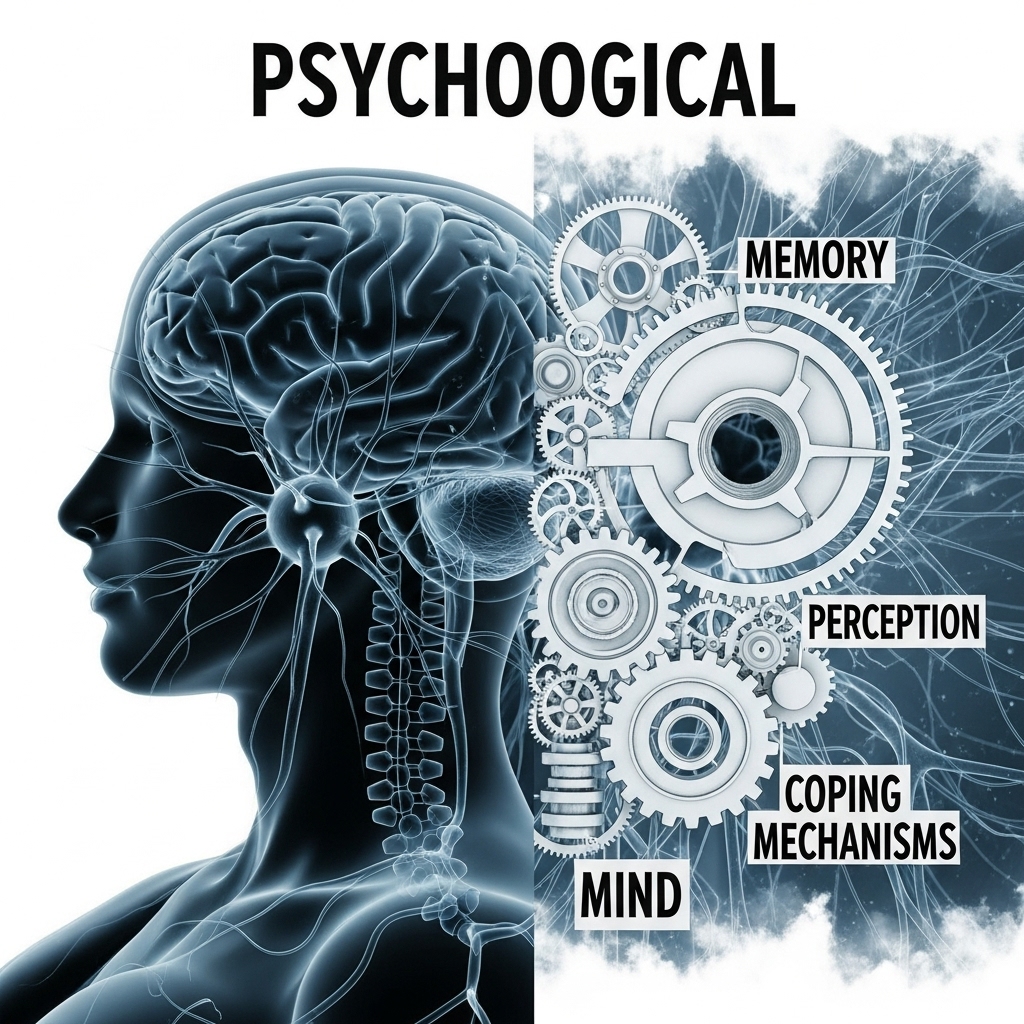
In psychology, functionalism focuses on the functions and purposes of the mind and its processes. It emerged as a reaction to the structuralism of the time, which concentrated on breaking down mental processes into their basic components. Functional psychology, on the other hand, looks at how these components work together to enable the organism to adapt to its environment. For example, the process of perception is studied not just in terms of how sensory inputs are processed, but also in terms of how perception helps the individual to navigate and interact with their environment effectively. This approach highlights the practical and adaptive aspects of mental functions, showing how they contribute to the individual's survival and well-being.
Critiques and Challenges to Functionalism
Despite its contributions to understanding social and psychological phenomena, functionalism has faced several critiques and challenges. One of the main criticisms is that it tends to overlook conflict and change within systems. By focusing on how components contribute to the stability of the system, functionalism can downplay the role of discord and the potential for systemic transformation. Additionally, functionalism has been accused of being overly conservative, as it can imply that existing social structures are necessary and beneficial, thereby justifying the status quo. In psychology, critics argue that functionalism might oversimplify the complexity of mental processes and neglect the role of subjective experience and individual differences.
Applications of Functionalism
Despite these challenges, functionalism has numerous applications in both sociology and psychology. In sociology, it informs policies aimed at maintaining social cohesion and addressing social problems. For instance, understanding the functions of different social institutions can help policymakers design interventions that support these functions, thereby promoting social stability. In psychology, functionalism underlies many therapeutic approaches, such as cognitive-behavioral therapy, which focuses on how thoughts, feelings, and behaviors function together to produce psychological distress, and aims to modify these patterns to improve mental health.
Conclusion
In conclusion, the core principle of functionalism in sociology and psychology emphasizes the importance of understanding how different components of a system work together to achieve stability and efficiency. While it has faced various critiques, functionalism remains a valuable framework for analyzing complex systems and addressing social and psychological issues. Its applications in policy-making, therapy, and research highlight its enduring relevance. As our understanding of human societies and behavior continues to evolve, the insights provided by functionalism will remain essential for developing effective solutions to the challenges we face, both as individuals and as a society.