
Introduction
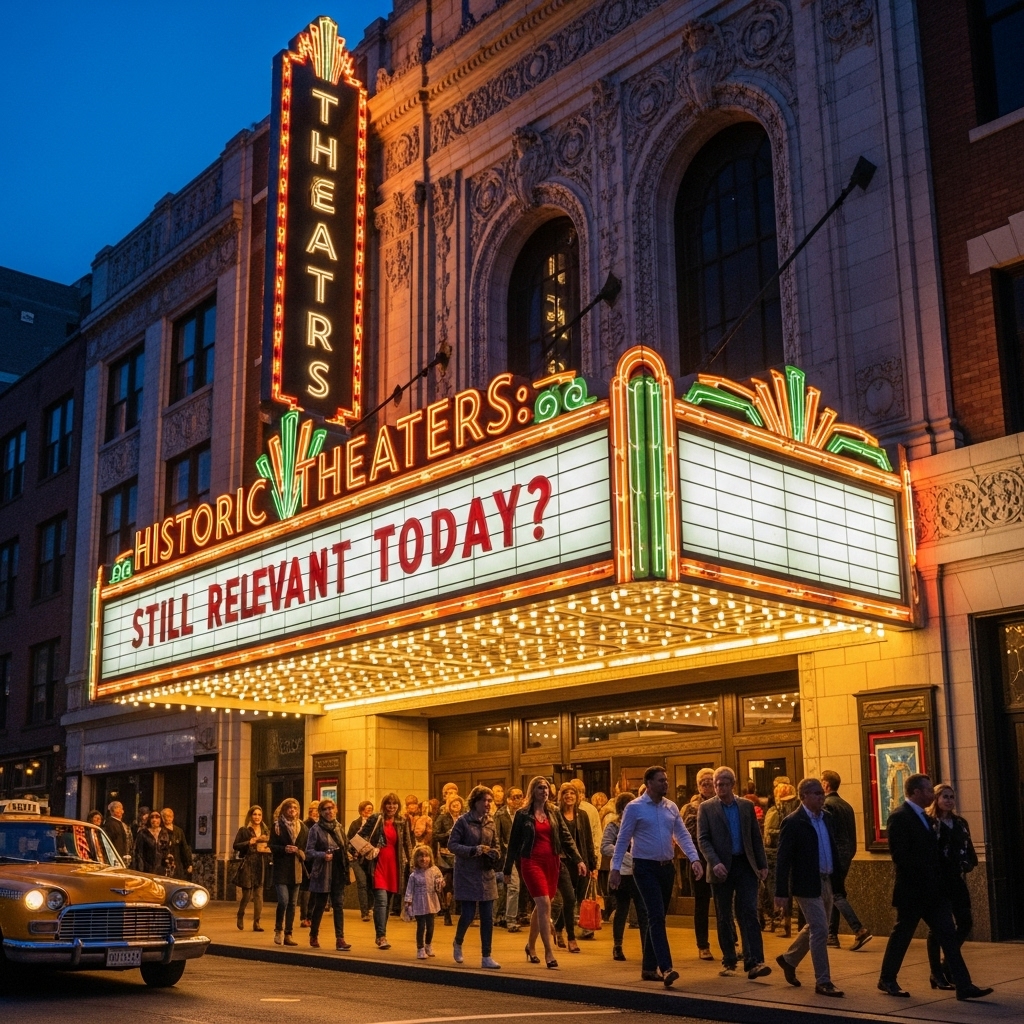
Historic theaters have been a staple of entertainment and culture for centuries, providing a unique and immersive experience for audiences to enjoy live performances, films, and other events. Despite the rise of modern cinemas and digital streaming platforms, historic theaters continue to thrive and remain relevant in today's society. In this article, we will explore the factors that contribute to the enduring appeal of historic theaters and why they remain an essential part of our cultural heritage.
The Architecture and Ambiance
One of the primary reasons historic theaters remain relevant is their stunning architecture and ambiance. Many of these theaters were built in the early 20th century, featuring ornate decorations, intricate details, and grandiose designs that transport audiences to a bygone era. The opulent interiors, complete with plush seating, sweeping balconies, and majestic chandeliers, create an atmosphere that is both nostalgic and luxurious. For example, the Orpheum Theatre in Los Angeles, built in 1926, boasts a stunning Spanish Baroque-style interior, complete with a grand lobby, sweeping staircases, and a beautifully restored ceiling.
Preserving History and Cultural Significance
Historic theaters are not just entertainment venues; they are also important cultural and historical landmarks. Many of these theaters have played host to iconic performances, film premieres, and events that have shaped the course of entertainment history. Preserving these theaters helps to maintain a connection to the past, allowing future generations to experience and appreciate the cultural significance of these iconic venues. The Fox Theatre in Atlanta, Georgia, for instance, is a prime example of a historic theater that has been beautifully restored to its original grandeur, featuring a stunning Moorish Revival-style interior and a rich history of hosting legendary performers such as Elvis Presley and The Beatles.
Community Engagement and Education
Historic theaters often serve as community hubs, hosting a wide range of events and activities that cater to diverse audiences. From film screenings and live performances to educational workshops and lectures, these theaters provide a unique platform for community engagement and education. Many historic theaters also offer guided tours, allowing visitors to explore the theater's history, architecture, and behind-the-scenes operations. The Paramount Theatre in Oakland, California, for example, offers a range of educational programs, including film workshops, theater classes, and historical tours, making it an integral part of the local community.
Adaptation and Revitalization
Despite their historical significance, many historic theaters have undergone significant renovations and restorations to remain relevant in the modern era. By incorporating state-of-the-art technology, updating seating and amenities, and expanding programming to include contemporary events and performances, these theaters have been able to adapt to changing audience preferences and stay competitive in the market. The Egyptian Theatre in Boise, Idaho, for instance, has undergone extensive renovations, including the installation of a new sound system and the addition of a digital projector, allowing it to screen a wide range of films and host live events.
Supporting Local Arts and Entertainment
Historic theaters often play a vital role in supporting local arts and entertainment, providing a platform for emerging artists, musicians, and performers to showcase their talents. By hosting local productions, concerts, and events, these theaters help to foster a thriving arts scene, contributing to the cultural and economic vitality of the surrounding community. The Bijou Theatre in Knoxville, Tennessee, for example, is a hub for local arts and entertainment, hosting a range of events, including concerts, plays, and film screenings, and providing a platform for local artists to showcase their work.
Conclusion
In conclusion, historic theaters continue to remain relevant today due to their unique architecture and ambiance, cultural and historical significance, community engagement and education, adaptation and revitalization, and support for local arts and entertainment. These theaters are not just relics of the past but vibrant cultural institutions that continue to thrive and evolve, providing a unique and immersive experience for audiences of all ages. As we move forward in the digital age, it is essential that we preserve and support these iconic venues, ensuring that they continue to play a vital role in shaping the cultural landscape of our communities for generations to come.