
Introduction to Managing PTSD Symptoms in Veterans
Post-Traumatic Stress Disorder (PTSD) is a mental health condition that affects many veterans who have experienced traumatic events during their military service. The symptoms of PTSD can be debilitating, affecting not only the individual but also their loved ones. Managing PTSD symptoms is crucial to help veterans reintegrate into civilian life and improve their overall well-being. In this article, we will explore effective strategies that can help veterans manage PTSD symptoms and regain control over their lives.
Understanding PTSD and Its Symptoms
PTSD symptoms can vary from person to person, but common symptoms include flashbacks, nightmares, severe anxiety, and uncontrollable thoughts about the traumatic event. Veterans may also experience avoidance behaviors, such as avoiding people, places, or activities that remind them of the traumatic event. It is essential to understand that PTSD is not a sign of weakness, and seeking help is the first step towards recovery. Veterans can experience PTSD symptoms immediately after the traumatic event or months and even years later.
Cognitive-Behavioral Therapy (CBT) and Other Therapies
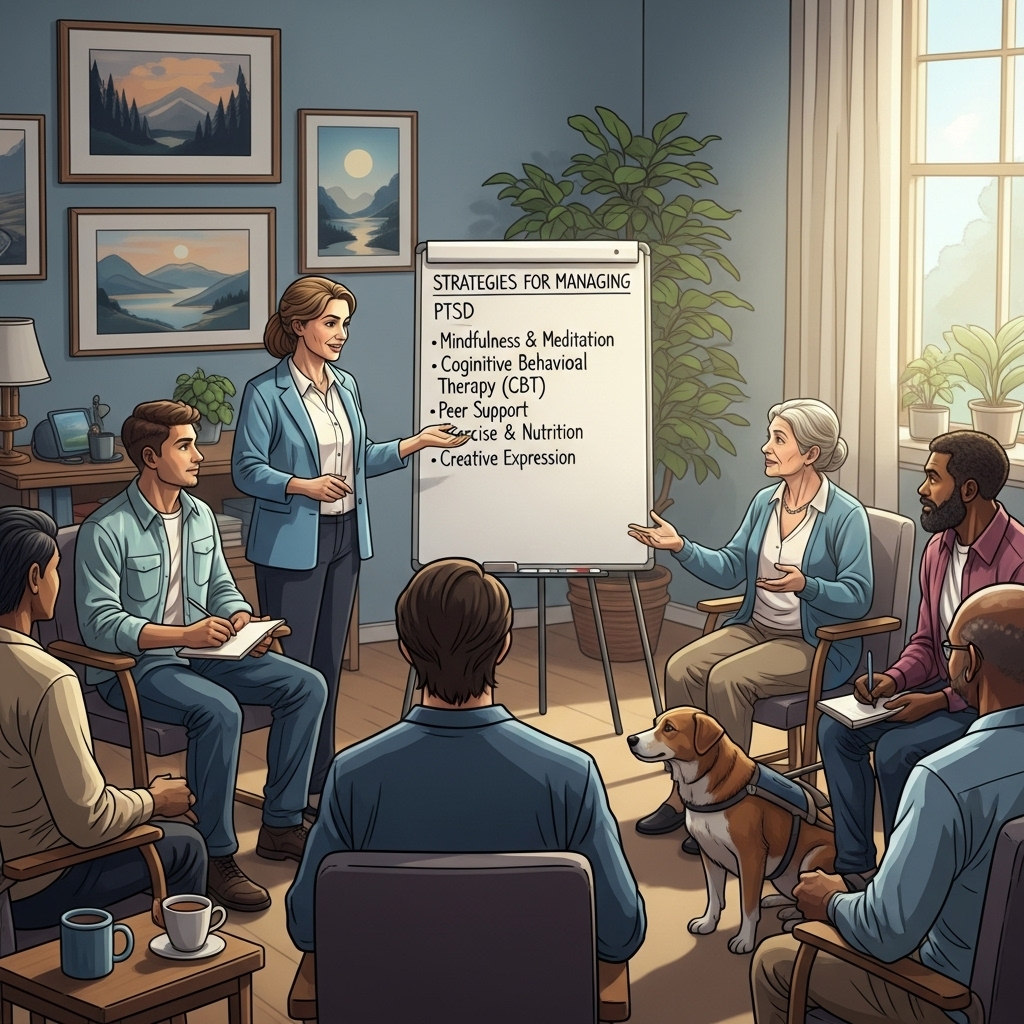
Cognitive-Behavioral Therapy (CBT) is a widely used and effective therapy for managing PTSD symptoms. CBT helps veterans identify and change negative thought patterns and behaviors associated with the traumatic event. Other therapies, such as Exposure Therapy, Eye Movement Desensitization and Reprocessing (EMDR), and Group Therapy, can also be effective in managing PTSD symptoms. For example, Exposure Therapy involves gradually exposing the veteran to the traumatic event in a controlled and safe environment, helping them process and cope with their emotions. EMDR, on the other hand, involves using eye movements or other forms of stimulation to process and integrate traumatic memories.
Self-Care and Stress Management Techniques
Self-care and stress management techniques are essential for managing PTSD symptoms. Veterans can benefit from activities such as exercise, meditation, and yoga, which can help reduce stress and anxiety. Getting enough sleep, eating a healthy diet, and engaging in hobbies and activities that bring joy and relaxation can also help alleviate PTSD symptoms. For instance, a veteran who enjoys hiking can use this activity as a way to clear their mind and reduce stress. Additionally, techniques such as deep breathing, progressive muscle relaxation, and mindfulness can help veterans manage anxiety and flashbacks.
Support Groups and Social Connections
Support groups and social connections play a vital role in helping veterans manage PTSD symptoms. Support groups provide a safe and understanding environment where veterans can share their experiences and connect with others who have gone through similar traumatic events. Social connections with family and friends can also provide emotional support and help veterans feel less isolated. For example, a veteran who joins a support group can connect with other veterans who understand what they are going through, helping them feel less alone and more supported.
Medications and Alternative Treatments
Medications, such as antidepressants and anti-anxiety medications, can be effective in managing PTSD symptoms. However, medications should be used under the guidance of a healthcare professional and in conjunction with therapy and self-care techniques. Alternative treatments, such as acupuncture and herbal supplements, can also be used to manage PTSD symptoms, but their effectiveness may vary. It is essential to consult with a healthcare professional before starting any new treatments or medications.
Conclusion and Resources
In conclusion, managing PTSD symptoms requires a comprehensive approach that includes therapy, self-care, support groups, and social connections. Veterans can benefit from a range of strategies, including CBT, Exposure Therapy, and stress management techniques. It is essential to seek help and support from healthcare professionals, support groups, and loved ones. Resources such as the Veterans Affairs (VA) and the National Center for PTSD can provide valuable information, support, and guidance for veterans managing PTSD symptoms. By seeking help and using effective strategies, veterans can regain control over their lives and improve their overall well-being.