
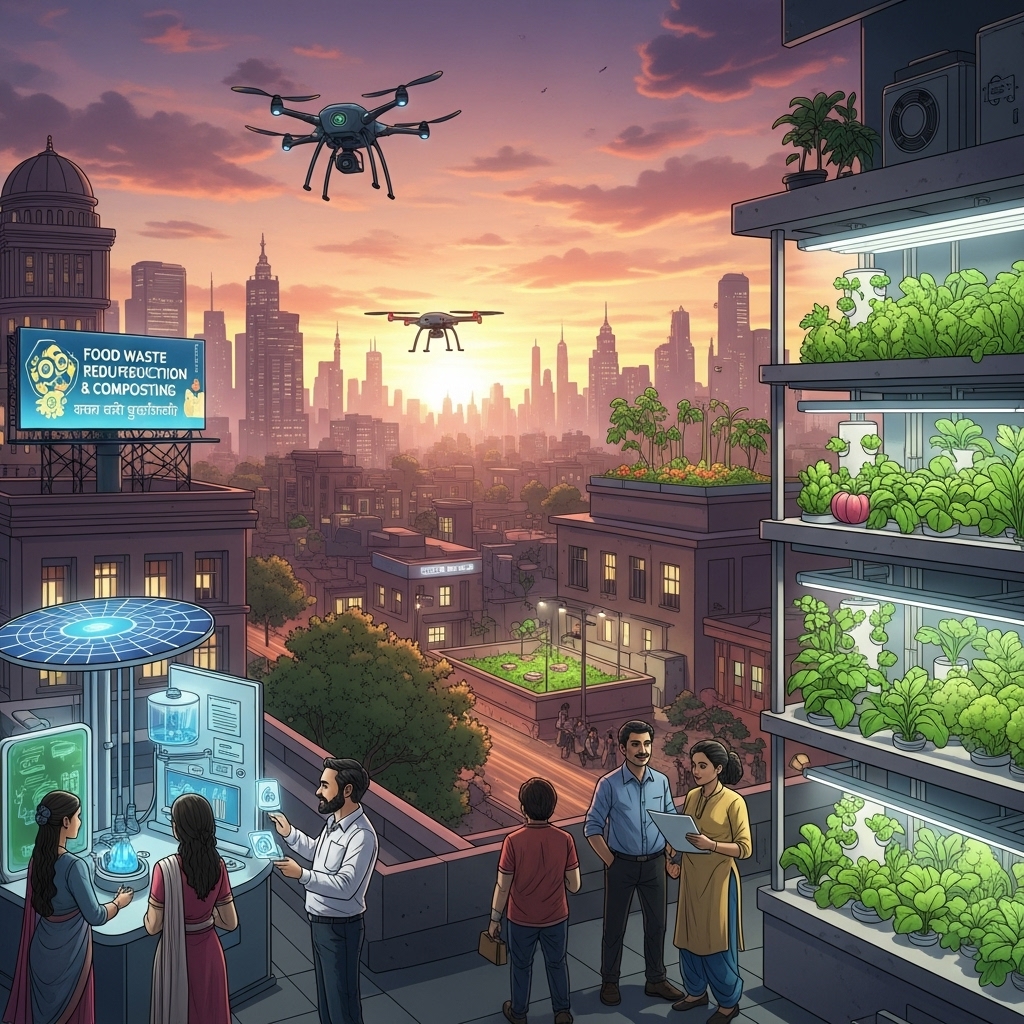
Introduction to Sustainable Food Technology in India's Urban Areas
India's urban population is projected to reach 583 million by 2030, putting a significant strain on the country's food systems. The challenges of food security in urban areas are multifaceted, including issues of availability, access, and affordability. Sustainable food technology has emerged as a vital solution to address these challenges, leveraging innovations in agriculture, processing, and distribution to ensure a reliable and nutritious food supply. This article explores the role of sustainable food technology in addressing food security challenges in India's urban areas, highlighting key initiatives, successes, and future directions.
Understanding Food Security Challenges in Urban India
Food security in urban India is compromised by several factors, including rapid urbanization, increasing population, and changing dietary preferences. The urban poor, in particular, face significant challenges in accessing nutritious food due to high prices, limited availability, and lack of awareness about healthy eating. Furthermore, the dominance of traditional food distribution systems, which often involve multiple intermediaries, leads to inefficiencies and price inflation. Sustainable food technology aims to address these challenges by promoting efficient, inclusive, and resilient food systems.
Role of Sustainable Agriculture in Urban Food Security
Sustainable agriculture practices, such as organic farming, hydroponics, and vertical farming, are being adopted in urban areas to increase food production while minimizing environmental impact. For example, the Mumbai-based company, GreenSense, uses hydroponics to grow a wide range of leafy greens and herbs, supplying them to local restaurants and retailers. Similarly, the Bengaluru-based startup, FarmZen, employs vertical farming techniques to produce fresh produce, which is then sold through an online platform. These initiatives not only enhance food availability but also promote sustainable farming practices, reducing the carbon footprint of urban food systems.
Food Processing and Preservation Innovations
Food processing and preservation technologies are critical in reducing food waste and improving the shelf life of perishable products. In India, several startups are working on innovative solutions, such as solar-powered cold storage, mobile processing units, and advanced packaging materials. For instance, the Pune-based company, Ecozen, has developed a solar-powered cold storage system that helps farmers store their produce, reducing post-harvest losses and increasing their incomes. Similarly, the Delhi-based startup, Keventer, uses advanced packaging materials to extend the shelf life of fruits and vegetables, minimizing waste and improving food safety.
Digital Platforms for Food Distribution and Access
Digital platforms are transforming the way food is distributed and accessed in urban India. Online marketplaces, such as BigBasket and Grofers, have made it possible for consumers to purchase fresh produce and other food items from the comfort of their homes. Additionally, platforms like Farm2Market and KrishiHub connect farmers directly with consumers, eliminating intermediaries and ensuring better prices for both parties. These digital platforms not only improve access to food but also promote transparency, accountability, and efficiency in the food distribution system.
Addressing Food Waste and Losses
Food waste and losses are significant challenges in India's food systems, with estimates suggesting that up to 40% of the country's food production is lost or wasted. Sustainable food technology is addressing this issue through innovations in supply chain management, storage, and processing. For example, the Bengaluru-based startup, NoFoodWaste, uses a mobile app to connect consumers with surplus food from restaurants, cafes, and households, reducing food waste and supporting those in need. Similarly, the Mumbai-based company, Feeding India, uses a network of refrigerated vans and storage facilities to recover surplus food from events and distribute it to marginalized communities.
Policy and Regulatory Framework
A supportive policy and regulatory framework is essential for the growth and development of sustainable food technology in India. The government has launched several initiatives, such as the National Food Processing Policy and the Agriculture Export Policy, to promote food processing, export, and innovation. Additionally, state governments are implementing policies to support urban agriculture, such as the Mumbai Municipal Corporation's initiative to promote rooftop gardening and urban farming. A favorable policy environment will encourage investment, innovation, and adoption of sustainable food technologies, ultimately enhancing food security in urban India.
Conclusion
In conclusion, sustainable food technology is playing a vital role in addressing food security challenges in India's urban areas. Through innovations in agriculture, processing, distribution, and preservation, sustainable food technology is enhancing food availability, access, and affordability. While there are successes and opportunities, there are also challenges and limitations that need to be addressed. A supportive policy and regulatory framework, increased investment, and greater awareness about sustainable food systems are essential for the growth and development of sustainable food technology in India. As the country continues to urbanize, the importance of sustainable food technology in ensuring food security and sustainability will only continue to grow.