
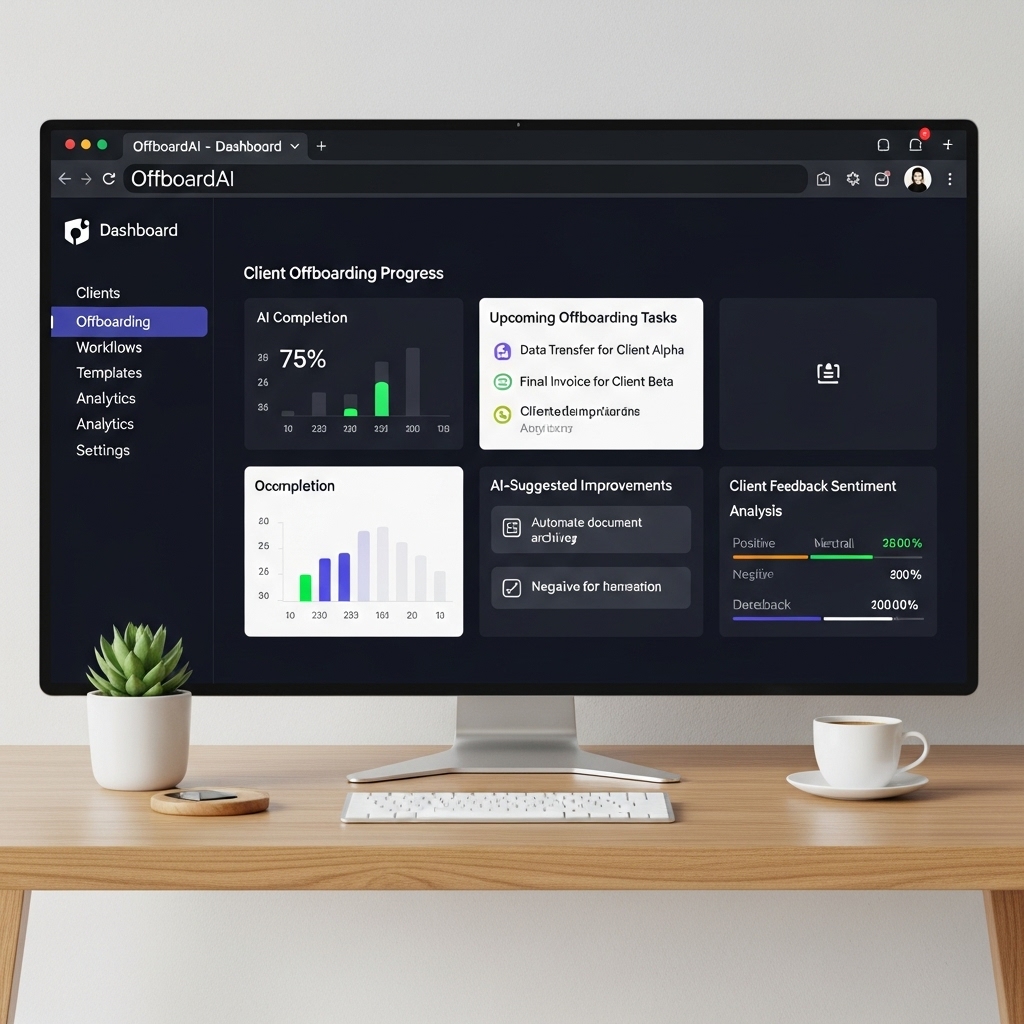
Introduction to AI-Powered Client Offboarding Tools
AI-powered client offboarding tools are innovative software solutions designed to streamline and automate the process of ending a business relationship with a client. This process, known as offboarding, involves a series of steps that ensure a smooth transition and maintain a positive relationship with the former client. Traditional offboarding methods can be time-consuming, prone to errors, and often result in a negative experience for both parties. The integration of Artificial Intelligence (AI) in offboarding tools has revolutionized this process, making it more efficient, personalized, and cost-effective. In this article, we will delve into the world of AI-powered client offboarding tools, exploring their features, benefits, and how they are transforming the way businesses manage the end of client relationships.
Understanding the Offboarding Process
The offboarding process is a critical aspect of any business, as it not only reflects on the company's professionalism but also impacts future opportunities. It involves several steps, including contract termination, data transfer, equipment return, and final billing. Each of these steps requires careful handling to ensure that the transition is smooth and that the client's needs are met until the very end. However, managing these processes manually can be cumbersome, especially for businesses with a large client base. This is where AI-powered offboarding tools come into play, offering a systematic approach to offboarding that minimizes the risk of errors and ensures consistency.
Features of AI-Powered Client Offboarding Tools
AI-powered client offboarding tools are equipped with a range of features designed to automate, streamline, and personalize the offboarding process. One of the key features is automated workflow management, which enables businesses to create customized offboarding workflows tailored to their specific needs. These tools also come with advanced analytics and reporting capabilities, providing insights into the offboarding process and helping businesses identify areas for improvement. Additionally, AI-driven chatbots and virtual assistants can be integrated into these tools to offer 24/7 support to clients, answering queries and providing updates on the offboarding status. For instance, a company like OffboardPro offers a comprehensive platform that includes automated workflows, real-time tracking, and personalized communication templates to ensure a seamless offboarding experience.
Benefits of Using AI-Powered Offboarding Tools
The adoption of AI-powered client offboarding tools offers numerous benefits to businesses. Firstly, these tools significantly reduce the time and resources required for offboarding, allowing staff to focus on more strategic tasks. The automation of repetitive tasks also minimizes the risk of human error, ensuring that the offboarding process is consistent and reliable. Furthermore, AI-powered offboarding tools enhance the client experience by providing timely updates, personalized communication, and round-the-clock support. This not only leads to higher client satisfaction but also increases the likelihood of positive referrals and future collaborations. For example, a study by Forrester found that companies that invested in AI-powered offboarding tools saw a significant reduction in offboarding time and an increase in client satisfaction ratings.
Examples of AI-Powered Offboarding Tools
Several companies are at the forefront of developing and utilizing AI-powered client offboarding tools. Officio is one such platform that leverages AI to automate the offboarding process, from contract analysis to equipment retrieval. Another example is ClientExit, which uses machine learning algorithms to predict and manage offboarding risks, ensuring a smooth transition for both the business and the client. These tools are not limited to specific industries and can be customized to meet the unique needs of various sectors, including finance, technology, and healthcare.
Implementing AI-Powered Offboarding Tools
Implementing AI-powered client offboarding tools requires careful planning and strategy. Businesses should start by assessing their current offboarding process, identifying pain points, and determining the specific features they need from an offboarding tool. It's also crucial to consider scalability, integration with existing systems, and the level of customization offered by the tool. Training staff on how to use these tools effectively is also vital to ensure a seamless transition. Moreover, businesses should monitor the performance of these tools, using the insights provided to continuously improve the offboarding process and enhance client satisfaction.
Conclusion
In conclusion, AI-powered client offboarding tools are transforming the way businesses manage the end of client relationships. By automating and streamlining the offboarding process, these tools not only enhance efficiency and reduce costs but also improve the client experience. As technology continues to evolve, we can expect to see even more sophisticated AI-powered offboarding solutions that cater to the complex needs of businesses and their clients. Whether you're a small startup or a large corporation, investing in AI-powered client offboarding tools can be a strategic move towards building a reputation for professionalism, reliability, and customer-centricity. By embracing these innovative solutions, businesses can turn the end of a client relationship into an opportunity to leave a lasting positive impression and pave the way for future collaborations.