
Introduction to Gene Editing in Human Embryos
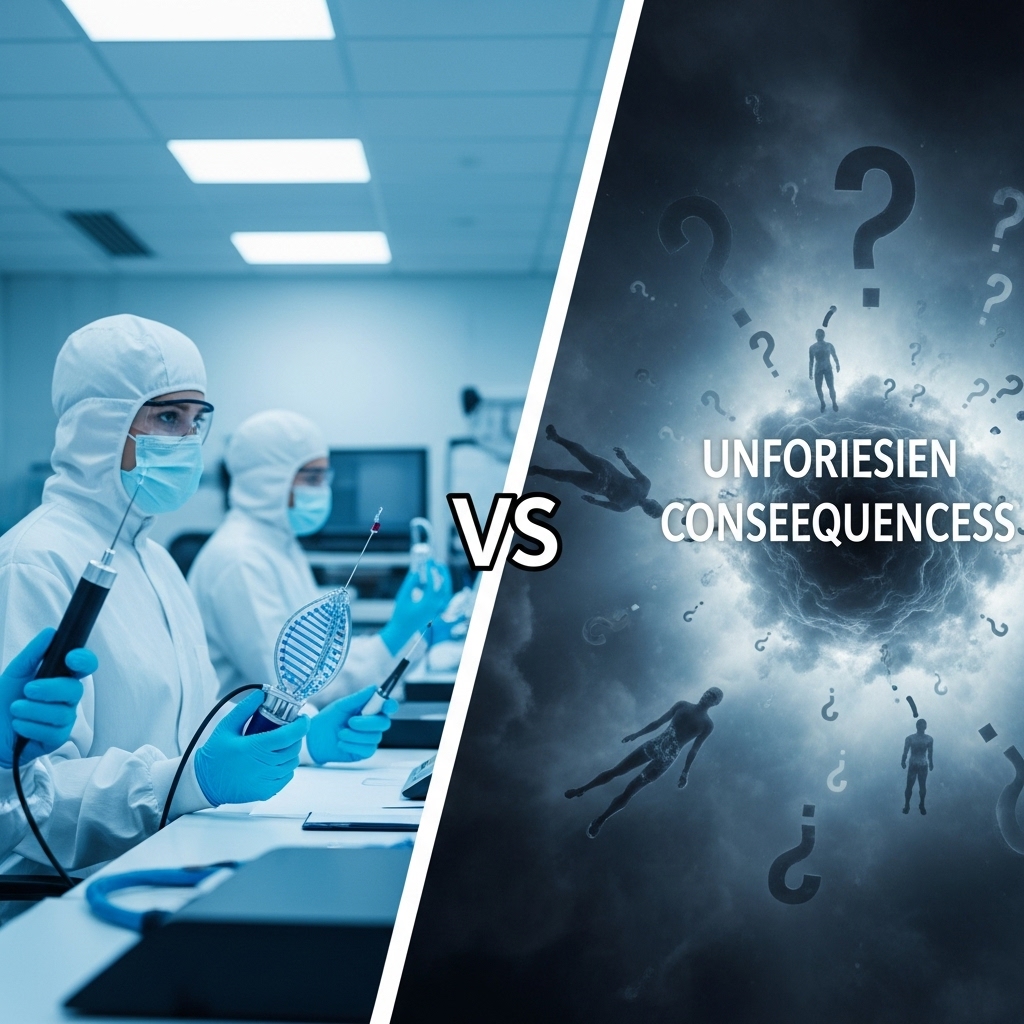
The advent of gene editing technologies, particularly the CRISPR-Cas9 system, has revolutionized the field of genetics and opened up new avenues for treating genetic diseases. One of the most controversial applications of gene editing is its use in human embryos, which has sparked a heated debate about the ethics surrounding this practice. Gene editing in human embryos involves making precise changes to the DNA of an embryo to correct genetic defects or introduce desirable traits. While this technology holds great promise for preventing inherited diseases, it also raises complex ethical questions about the limits of scientific intervention in human reproduction and the potential consequences for future generations.
The Science Behind Gene Editing in Human Embryos
Gene editing in human embryos is typically performed using the CRISPR-Cas9 system, which allows scientists to target specific genes and make precise changes to the DNA sequence. This is done by introducing a small piece of RNA that guides the Cas9 enzyme to the target gene, where it makes a cut in the DNA. The cell then repairs the cut by inserting or deleting DNA sequences, effectively editing the gene. This technology has been used to correct genetic mutations that cause inherited diseases, such as sickle cell anemia and muscular dystrophy, in human embryos. For example, in 2017, scientists used CRISPR-Cas9 to edit human embryos to correct a mutation that causes a heart condition called hypertrophic cardiomyopathy.
Ethical Concerns Surrounding Gene Editing in Human Embryos
One of the primary ethical concerns surrounding gene editing in human embryos is the potential for unintended consequences. Because gene editing is a relatively new technology, there is still much that is not known about its long-term effects on human health and development. There is a risk that editing genes in embryos could introduce new mutations or disrupt the delicate balance of the genome, leading to unforeseen health problems. Additionally, there are concerns about the potential for gene editing to be used for non-therapeutic purposes, such as enhancing physical or cognitive traits. This raises questions about the limits of scientific intervention in human reproduction and the potential for a new form of eugenics.
Germline Editing vs. Somatic Editing
Another important distinction in the debate over gene editing in human embryos is the difference between germline editing and somatic editing. Germline editing involves making changes to the genes in an embryo's reproductive cells, which means that the changes will be passed on to future generations. Somatic editing, on the other hand, involves making changes to the genes in non-reproductive cells, which means that the changes will not be inherited. Germline editing is generally considered to be more ethically complex because it raises questions about the potential consequences for future generations. For example, if a genetic edit is made to an embryo to correct a disease-causing mutation, that edit will be passed on to the child's offspring, potentially altering the genetic trajectory of the family.
Regulatory Frameworks and International Consensus
Given the ethical complexities surrounding gene editing in human embryos, there is a need for a regulatory framework to guide the use of this technology. In 2015, the International Society for Stem Cell Research (ISSCR) issued guidelines for the use of gene editing in human embryos, which emphasized the need for careful consideration of the potential risks and benefits and the importance of obtaining informed consent from patients. The National Academy of Sciences and the National Academy of Medicine have also issued reports on the ethics of gene editing in human embryos, which recommend a cautious approach to the use of this technology. Internationally, there is a growing consensus that gene editing in human embryos should be subject to strict regulation and oversight, with many countries banning the use of this technology for reproductive purposes.
Public Perception and Engagement
Public perception and engagement are critical components of the debate over gene editing in human embryos. Surveys have shown that the public is generally supportive of the use of gene editing for therapeutic purposes, but there is also significant concern about the potential risks and unintended consequences. There is a need for ongoing public engagement and education about the benefits and risks of gene editing, as well as the ethical considerations surrounding its use. This includes providing accurate and balanced information about the science behind gene editing, as well as the regulatory frameworks and guidelines that govern its use. By engaging with the public and encouraging open and informed discussion, we can work towards a more nuanced understanding of the ethics surrounding gene editing in human embryos.
Conclusion
In conclusion, the ethics surrounding gene editing in human embryos are complex and multifaceted. While this technology holds great promise for preventing inherited diseases, it also raises important questions about the limits of scientific intervention in human reproduction and the potential consequences for future generations. As we move forward, it is essential that we prioritize careful consideration of the potential risks and benefits, as well as ongoing public engagement and education. By working together to develop a regulatory framework and guidelines for the use of gene editing in human embryos, we can ensure that this technology is used in a responsible and ethical manner that prioritizes human well-being and dignity. Ultimately, the decision to use gene editing in human embryos should be guided by a commitment to the principles of respect for human life, non-maleficence, beneficence, and autonomy, and should be subject to ongoing evaluation and revision as our understanding of the technology and its implications evolves.