
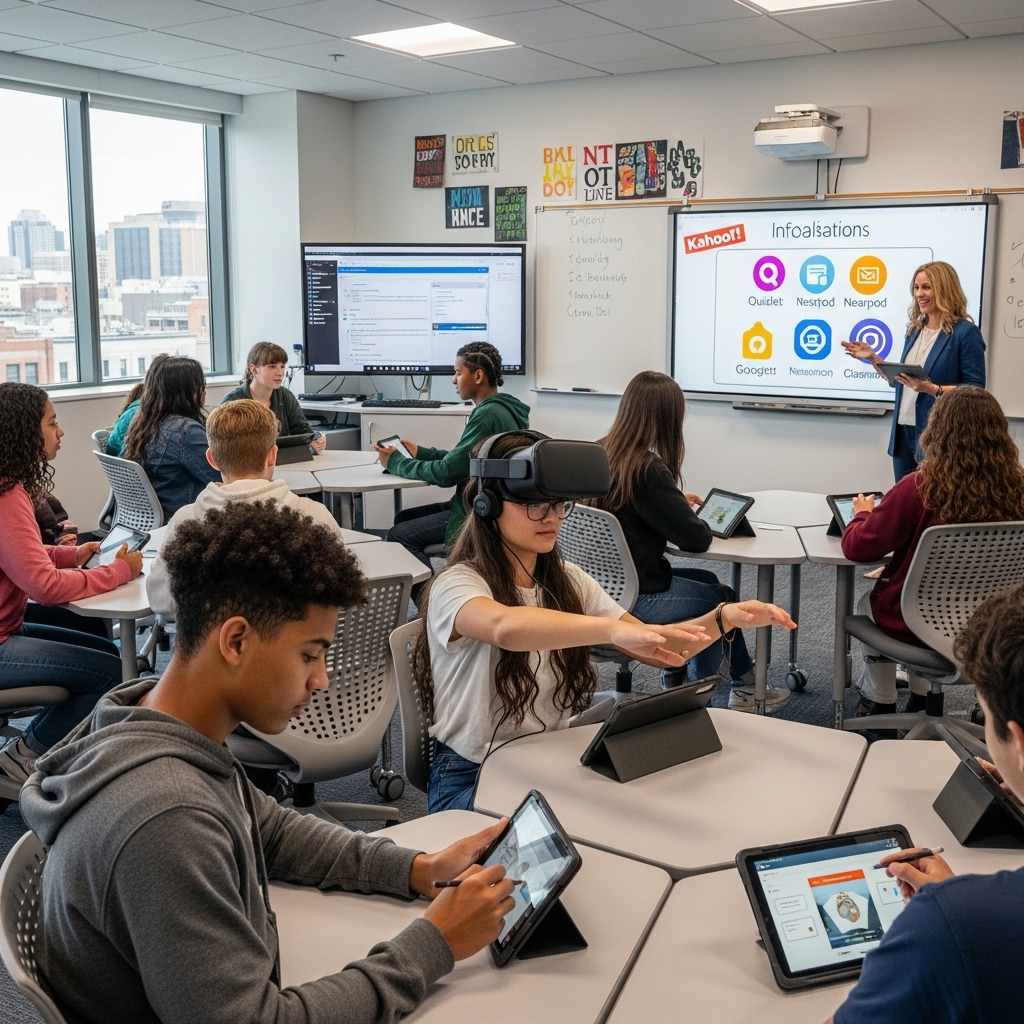
The modern classroom environment has undergone significant transformations with the integration of digital tools, revolutionizing the way students learn and interact with educational content. These tools not only make learning more engaging and accessible but also provide teachers with innovative methods to convey complex concepts in an engaging and interactive manner. Effective digital tools can enhance student engagement by fostering a collaborative learning environment, offering personalized learning experiences, and making lessons more enjoyable and interactive. In this context, understanding which digital tools are most effective is crucial for educators aiming to create a stimulating and inclusive learning space.
Digital Whiteboards and Interactive Displays
Digital whiteboards and interactive displays are among the most impactful tools in enhancing student engagement. These devices allow teachers to create interactive lessons, incorporate multimedia content, and enable real-time collaboration among students. They support a wide range of educational apps and software, making it possible to tailor lessons to the needs and interests of different learners. For instance, teachers can use interactive polls, quizzes, and games to make learning fun and competitive, while also assessing student understanding in real-time. This immediate feedback loop helps in adjusting the teaching strategy to better meet the students' needs, thereby enhancing engagement and understanding.
Learning Management Systems (LMS) and Online Platforms
Learning Management Systems (LMS) and online learning platforms are central to managing and delivering educational content in the digital classroom. These platforms allow teachers to create, assign, and grade assignments, as well as track student progress over time. They also facilitate communication between teachers, students, and parents, ensuring that everyone is informed and involved in the learning process. Moreover, many LMS platforms integrate with other digital tools, enabling a seamless learning experience. For example, they can host virtual classrooms, discussion forums, and resource libraries, making educational content accessible anytime and from any location. This flexibility is particularly beneficial for students who may need to review material at their own pace or who miss classes due to illness or other reasons.
Collaboration and Communication Tools
Tools that facilitate collaboration and communication are essential for enhancing student engagement. These include video conferencing tools like Zoom and Google Meet, which enable remote learning and allow students to participate in classes from anywhere. Additionally, collaboration platforms such as Slack and Microsoft Teams provide spaces for students to work on group projects, share resources, and communicate with each other and their teachers. These tools are especially useful for promoting teamwork, problem-solving, and critical thinking skills, all of which are vital in today's collaborative work environments. By leveraging these tools, educators can create learning experiences that mirror real-world professional settings, preparing students for future careers.
Gamification and Educational Apps
Gamification and educational apps are highly effective in making learning engaging and fun. These tools turn educational content into games, quizzes, and challenges, which can motivate students to learn and achieve academic goals. Apps like Kahoot, Quizlet, and Duolingo are popular examples, offering interactive learning experiences that cater to different subjects and age groups. Gamification elements such as points, badges, and leaderboards can encourage healthy competition among students, while also providing teachers with insights into student performance and areas where additional support may be needed. By incorporating these elements, educators can create a more engaging and rewarding learning environment that fosters a love for learning.
Virtual and Augmented Reality (VR/AR) Technologies
Virtual and Augmented Reality technologies are at the forefront of innovation in educational technology, offering immersive and interactive learning experiences. VR/AR can transport students to historical sites, into the human body, or to distant planets, making complex concepts more accessible and engaging. These technologies have the potential to revolutionize the way subjects like science, history, and languages are taught, by providing hands-on, experiential learning opportunities. While the cost and accessibility of VR/AR technologies can be barriers to their widespread adoption, they represent a significant step forward in enhancing student engagement and understanding, especially in subjects that are traditionally considered difficult or abstract.
In conclusion, the integration of digital tools in the modern classroom has the potential to significantly enhance student engagement by making learning more interactive, accessible, and enjoyable. From digital whiteboards and LMS platforms to collaboration tools, gamification, and VR/AR technologies, educators have a wide range of options to create a stimulating and inclusive learning environment. By understanding the strengths and potential applications of these tools, teachers can tailor their teaching strategies to meet the diverse needs of their students, ultimately leading to better academic outcomes and a more positive attitude towards learning. As technology continues to evolve, it will be exciting to see how future innovations further transform the educational landscape and enhance student engagement in the years to come.