
Introduction
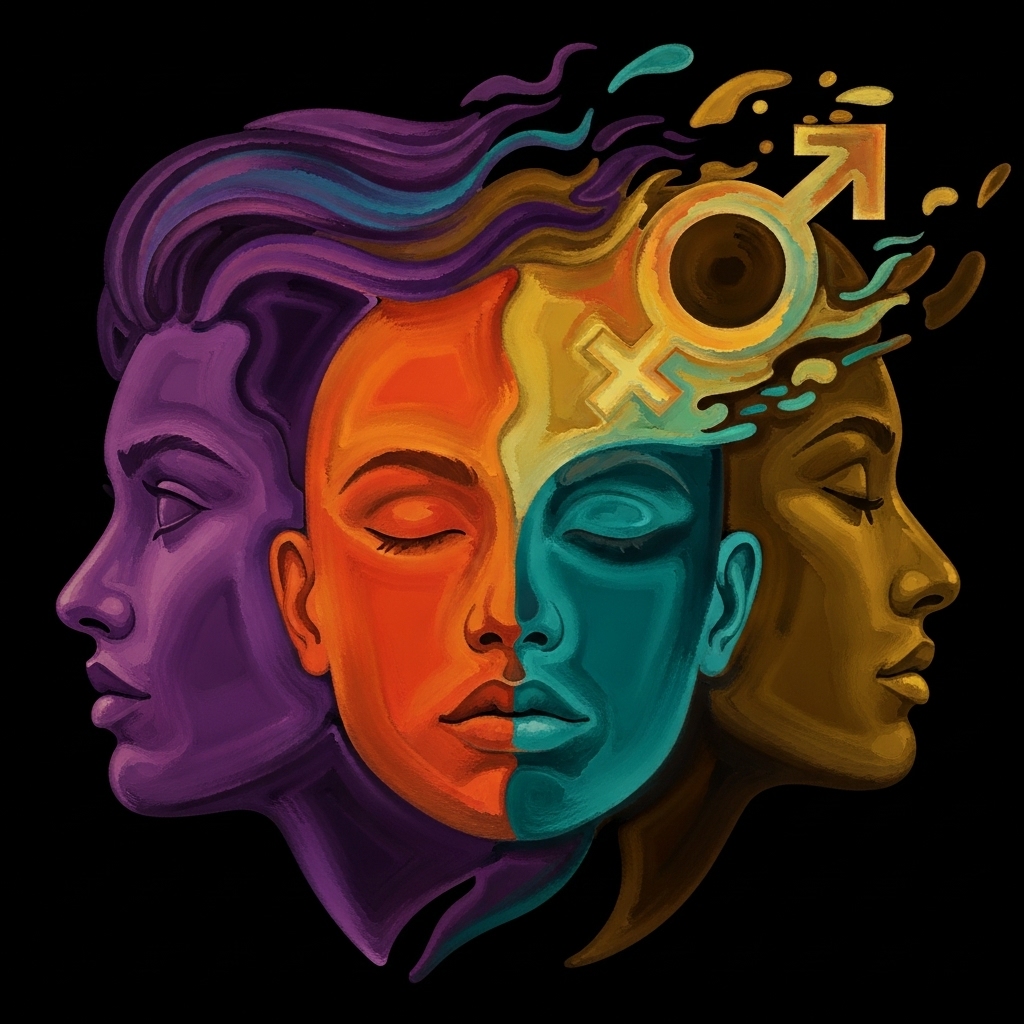
Binary norms have long been a cornerstone of societal expectations, dictating how individuals should identify and express their gender. The notion that gender is strictly binary, with only two distinct categories of male and female, has been deeply ingrained in many cultures. However, this binary framework has been increasingly challenged by the growing recognition of non-binary and transgender identities. This article aims to deconstruct binary norms and explore the intersectionality of gender identity and societal expectations, examining the ways in which these norms impact individuals and society as a whole.
Understanding Binary Norms
Binary norms are rooted in the idea that gender is an inherent and immutable aspect of a person's identity, determined by their biological sex at birth. This perspective posits that males and females have distinct roles, behaviors, and characteristics that are predetermined by their sex. However, this binary framework fails to account for the diversity of human experience, ignoring the complexities of gender identity and expression. For example, individuals who identify as non-binary or genderqueer may not fit neatly into the categories of male or female, and may experience significant distress and marginalization as a result of being forced into a binary system.
The Impact of Binary Norms on Individuals
The impact of binary norms on individuals can be profound, with many people experiencing feelings of confusion, shame, and isolation as a result of not conforming to societal expectations. For instance, a person assigned male at birth who identifies as female may face significant barriers to expressing their gender identity, including discrimination, harassment, and violence. Similarly, individuals who identify as non-binary may struggle to find acceptance and understanding from family, friends, and community members who are unfamiliar with or unsupportive of non-binary identities. The pressure to conform to binary norms can also have serious mental health consequences, including anxiety, depression, and suicidal ideation.
Intersectionality and Binary Norms
Intersectionality, a term coined by scholar Kimberlé Crenshaw, refers to the ways in which multiple forms of oppression intersect and compound, resulting in unique experiences of marginalization and exclusion. In the context of binary norms, intersectionality is crucial for understanding how different forms of identity, such as race, class, and ability, intersect with gender identity to produce distinct experiences of oppression. For example, a transgender woman of color may face not only the challenges of being a trans person in a binary society but also the additional barriers of racism and sexism. By examining the intersectionality of binary norms, we can better understand the complex ways in which societal expectations impact individuals and communities.
Challenging Binary Norms: The Role of Education and Media
Education and media play a critical role in challenging binary norms and promoting greater understanding and acceptance of diverse gender identities. By incorporating inclusive and diverse representations of gender into educational curricula and media, we can help to break down binary frameworks and promote a more nuanced understanding of gender identity. For instance, schools can include non-binary and transgender individuals in their sex education programs, and media outlets can feature diverse and representative portrayals of gender identity in their programming. By challenging binary norms in these ways, we can help to create a more inclusive and accepting society for all individuals, regardless of their gender identity.
Creating a More Inclusive Society
Creating a more inclusive society requires a fundamental shift in our understanding of gender identity and expression. This involves recognizing and respecting the diversity of human experience, and working to break down the binary frameworks that have long dominated our culture. One key strategy for creating a more inclusive society is to promote the use of inclusive language and pronouns, such as using "they" and "them" to refer to non-binary individuals. We can also work to create safe and supportive spaces for individuals of all gender identities, such as establishing gender-neutral bathrooms and providing support services for transgender and non-binary individuals. By taking these steps, we can help to create a more just and equitable society for all.
Conclusion
In conclusion, binary norms have long been a dominant force in shaping societal expectations around gender identity and expression. However, these norms have been increasingly challenged by the growing recognition of non-binary and transgender identities. By deconstructing binary norms and exploring the intersectionality of gender identity and societal expectations, we can gain a deeper understanding of the ways in which these norms impact individuals and society as a whole. Ultimately, creating a more inclusive society requires a fundamental shift in our understanding of gender identity and expression, and a commitment to promoting diversity, equity, and inclusion for all individuals, regardless of their gender identity. By working together to challenge binary norms and promote a more nuanced understanding of gender, we can help to create a more just and equitable society for all.