
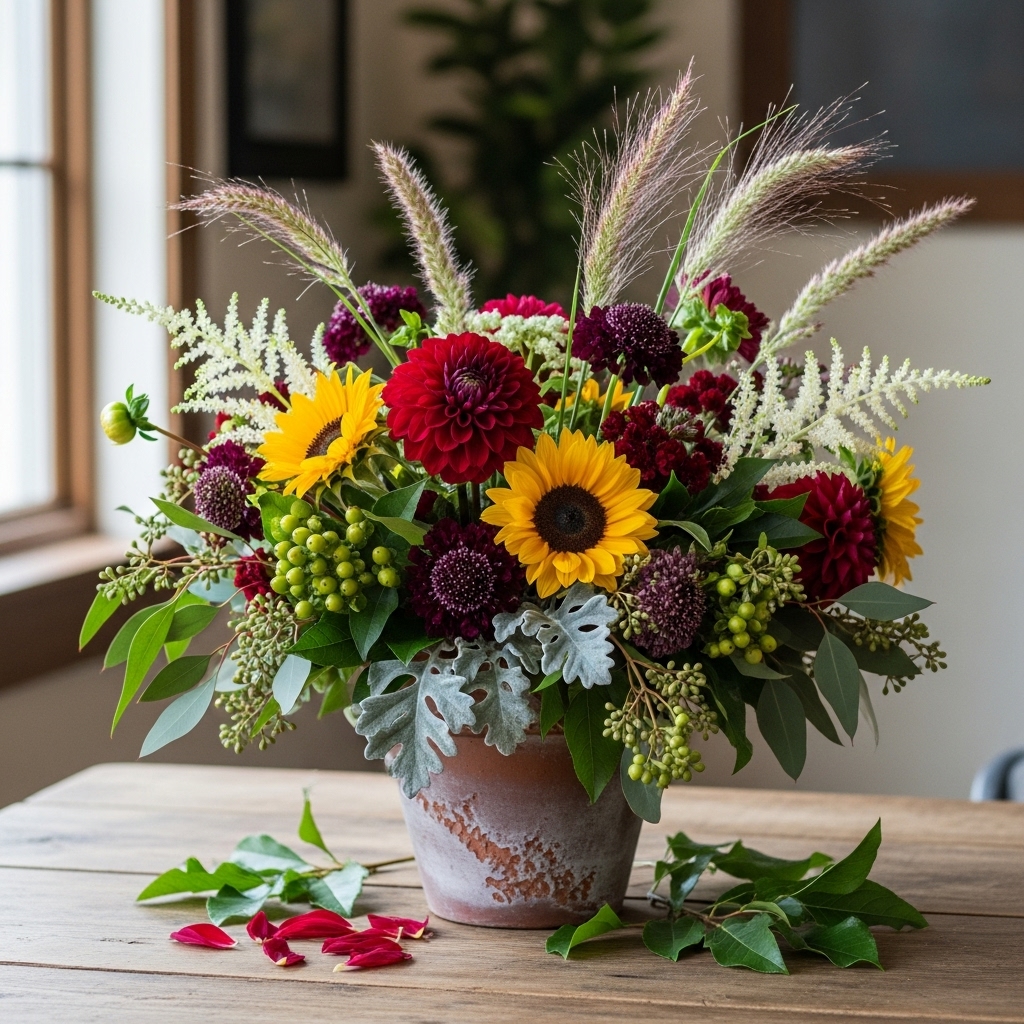
Introduction to Creating Visually Appealing Floral Arrangements
Creating a visually appealing floral arrangement that incorporates seasonal blooms and textures can elevate any space, whether it's for a special occasion or everyday decor. With the constant change in seasons, the variety of flowers and foliage available also shifts, providing endless opportunities for creativity and innovation. Understanding how to combine these elements effectively is key to producing arrangements that are not only beautiful but also reflective of the current season. In this article, we will explore the principles and practices of designing stunning floral arrangements that highlight the beauty of seasonal blooms and textures.
Understanding Seasonal Blooms
Seasonal blooms are flowers that are available during specific times of the year, depending on the region and climate. For example, peonies and roses are typically associated with spring and early summer, while sunflowers and dahlias bloom in late summer. Understanding what is in season is crucial for several reasons: it ensures the freshness and longevity of the flowers, supports local farmers, and often reduces the cost. Incorporating seasonal blooms into your arrangement can also add a layer of meaning and connection to the time of year, making the piece more personal and relevant.
Exploring Textures in Floral Design
Texture plays a vital role in floral design, adding depth and visual interest to an arrangement. It can be achieved through the use of different flowers, foliage, and even non-floral elements like branches, seeds, and ribbons. For instance, combining the soft petals of roses with the structured leaves of eucalyptus or the delicate baby's breath can create a compelling contrast of textures. Seasonal elements such as pinecones in winter, fresh berries in autumn, or fluffy hydrangeas in summer can further enrich the arrangement with their unique textures.
Principles of Floral Design
The principles of floral design, including balance, proportion, emphasis, movement, pattern, unity, and contrast, are essential guidelines for creating visually appealing arrangements. Balance refers to the distribution of visual weight, which can be achieved through symmetry or asymmetry. Proportion is about the relationship between the sizes of the elements, ensuring that the arrangement does not look out of scale. Emphasis, or focal point, draws the viewer's eye, while movement suggests energy and flow. Pattern and unity relate to the repetition and harmony of elements, and contrast, as mentioned, can be achieved through color, texture, and form.
Designing with Seasonal Blooms and Textures
When designing an arrangement, start by selecting a base of foliage or greenery that complements the seasonal blooms you've chosen. This could be anything from ferns and lemon leaves in spring to branches of oak or maple in autumn. Next, add your main flowers, considering their color, texture, and size in relation to the base and the overall design principles. Finally, embellish with secondary elements like berries, seeds, or decorative items that enhance the seasonal theme and texture. For example, a winter arrangement might feature evergreen branches, white roses, and pinecones, while a summer arrangement could include sunflowers, daisies, and a ribbon made from natural fibers.
Incorporating Color and Theme
Color and theme are closely tied to the season and can significantly influence the choice of blooms and textures. For instance, autumn arrangements often feature warm colors like oranges, yellows, and reds, incorporating elements such as dried corn, pumpkins, and fall leaves. Spring arrangements, on the other hand, might emphasize pastels and bright colors, with flowers like tulips, daffodils, and hyacinths. A summer arrangement could be vibrant with sunflowers, zinnias, and cosmos, while a winter arrangement might be more subdued with whites, silvers, and evergreens. The theme could also be dictated by the occasion, such as Valentine's Day, Christmas, or a wedding, each with its traditional colors and motifs.
Conclusion: Bringing It All Together
Creating a visually appealing floral arrangement that incorporates seasonal blooms and textures is a blend of art and technique. By understanding the principles of floral design, being aware of what's in season, and thoughtfully combining different textures and colors, you can craft arrangements that are not only beautiful but also meaningful and reflective of the current season. Whether you're a professional florist or an enthusiast, the key to success lies in experimentation, creativity, and a deep appreciation for the natural beauty of flowers and foliage. As you explore the world of floral design, remember that each season brings new opportunities to innovate and express yourself through the timeless language of flowers.