
Introduction to Cloud Kitchen Business Ideas
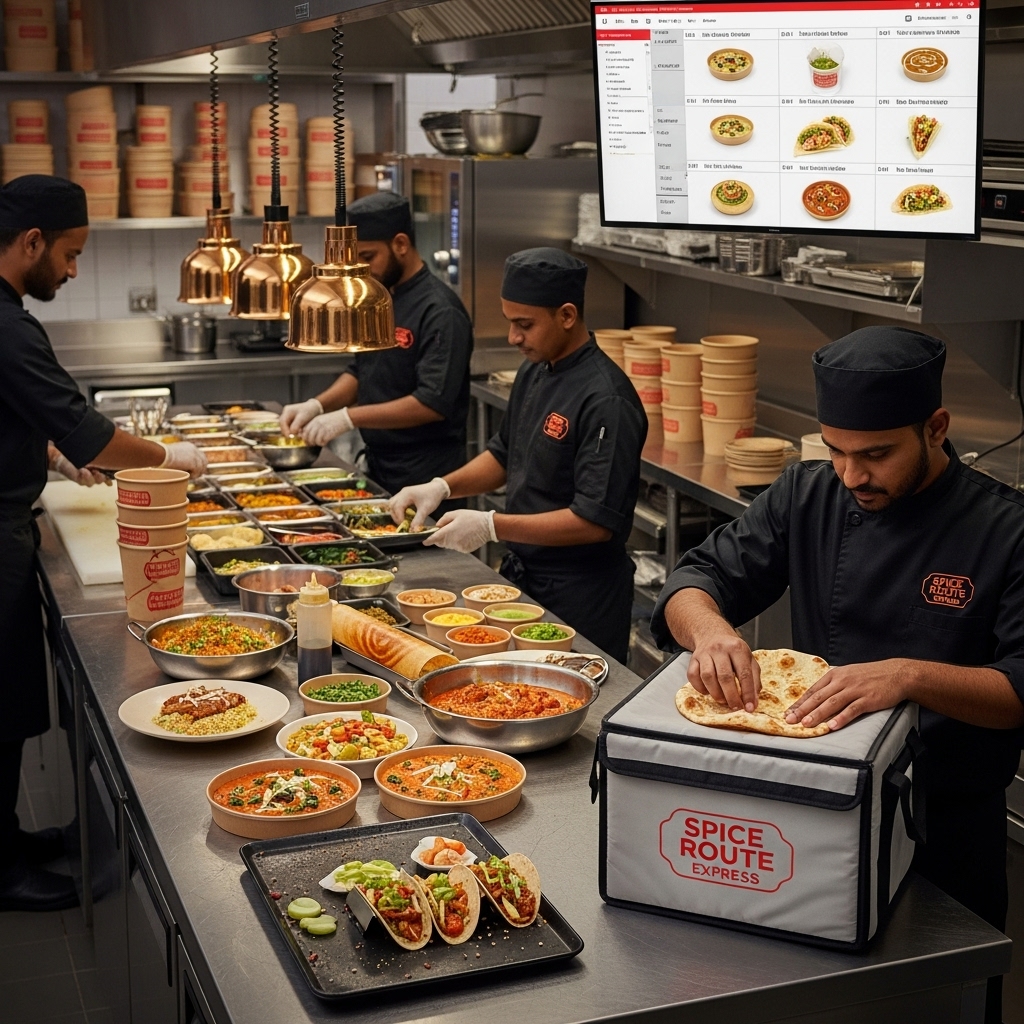
The concept of cloud kitchens, also known as virtual or ghost kitchens, has gained immense popularity in recent years, especially in the Indian food industry. A cloud kitchen is a commercial cooking space that operates solely for delivery or takeaway, without a physical dine-in area. This model has proven to be highly profitable, as it eliminates the need for expensive real estate and reduces operational costs. Indian cuisine, with its diverse and rich flavors, has become a staple in the cloud kitchen industry, offering a wide range of options for entrepreneurs to explore. In this article, we will delve into the most profitable cloud kitchen business ideas that leverage Indian cuisine and innovative delivery models.
Section 1: North Indian Cuisine Cloud Kitchens
North Indian cuisine is one of the most popular and widely recognized types of Indian food globally. Dishes like butter chicken, naan bread, and biryani are favorites among foodies. A cloud kitchen specializing in North Indian cuisine can offer a variety of options, such as curries, tandoori dishes, and vegetarian delights. For example, a cloud kitchen can offer a "Taste of Punjab" menu, featuring authentic dishes like sarson ka saag and makki di roti. Partnering with food delivery platforms like Zomato, Swiggy, or UberEats can help increase visibility and reach a broader customer base.
Section 2: South Indian Cuisine Cloud Kitchens
South Indian cuisine is known for its light, flavorful, and nutritious dishes, making it an attractive option for health-conscious consumers. A cloud kitchen can specialize in popular South Indian dishes like idlis, dosas, vadas, and sambar. The menu can also include regional specialties like Hyderabadi biryani, Kerala-style fish curry, or Tamil Nadu's famous pongal. To cater to the growing demand for vegan and gluten-free options, a cloud kitchen can offer innovative dishes like vegan dosas or gluten-free idlis. Strategic partnerships with meal-kit delivery services or wellness-focused platforms can help tap into the health-conscious market.
Section 3: Indian Street Food Cloud Kitchens
Indian street food is a massive hit among locals and tourists alike, offering a wide range of options from spicy chaat items to savory snacks. A cloud kitchen can capitalize on this trend by offering popular street food items like pani puri, bhel puri, or vada pav. The menu can also include regional street food specialties like Mumbai's famous pav bhaji or Delhi's chole bhature. To add a twist, a cloud kitchen can offer fusion street food dishes like pizza dosas or sushi idlis. Collaborating with social media influencers or hosting online cooking challenges can help create buzz around the brand.
Section 4: Cloud Kitchen Business Models
A successful cloud kitchen business requires a well-planned operational model. One popular model is the "hub-and-spoke" approach, where a central kitchen (hub) supplies food to multiple smaller kitchens (spokes) located in different areas. This model helps reduce delivery times and increases efficiency. Another model is the "multi-brand" approach, where a single cloud kitchen operates multiple brands, each offering a unique cuisine or menu. This model helps cater to diverse customer preferences and increases average order value. Implementing technology, such as automated kitchen management systems or data analytics tools, can help streamline operations and optimize menu engineering.
Section 5: Marketing and Delivery Strategies
Effective marketing and delivery strategies are crucial for the success of a cloud kitchen business. Social media platforms like Instagram, Facebook, and Twitter can be leveraged to create engaging content, promote new menu items, and interact with customers. Influencer marketing, email marketing, and loyalty programs can also help build a loyal customer base. Partnering with food delivery platforms, meal-kit services, or online marketplaces can help increase visibility and reach a broader audience. A cloud kitchen can also invest in its own delivery fleet or partner with third-party logistics providers to ensure timely and efficient delivery.
Section 6: Menu Engineering and Pricing Strategies
A well-crafted menu is essential for a cloud kitchen business, as it directly impacts customer satisfaction and revenue. Menu engineering involves analyzing customer preferences, optimizing menu items, and pricing strategies to maximize profitability. A cloud kitchen can use data analytics tools to identify best-selling items, customer preferences, and profit margins. Pricing strategies like dynamic pricing, discounts, or bundle deals can help increase average order value and customer loyalty. Offering customizable menu options, such as vegan or gluten-free alternatives, can also help cater to diverse customer preferences.
Conclusion
In conclusion, the cloud kitchen industry offers a wide range of profitable business ideas that leverage Indian cuisine and innovative delivery models. By specializing in popular cuisines like North Indian, South Indian, or street food, a cloud kitchen can cater to diverse customer preferences. Implementing effective business models, marketing strategies, and menu engineering techniques can help increase efficiency, customer satisfaction, and revenue. As the demand for online food delivery continues to grow, entrepreneurs can capitalize on this trend by investing in a cloud kitchen business that offers high-quality, authentic Indian cuisine and exceptional customer experience.