
Introduction to Calorie Burn During Jogging
Jogging is a popular form of exercise that offers numerous health benefits, including weight management, improved cardiovascular health, and increased stamina. One of the primary reasons people jog is to burn calories and shed unwanted pounds. But have you ever wondered how many calories you burn during a 30-minute jog? The answer to this question depends on several factors, including your weight, jogging speed, and the intensity of your workout. In this article, we will delve into the world of calorie burn during jogging and provide you with a comprehensive guide to help you understand how many calories you can expect to burn during a 30-minute jog.
Understanding Calorie Burn
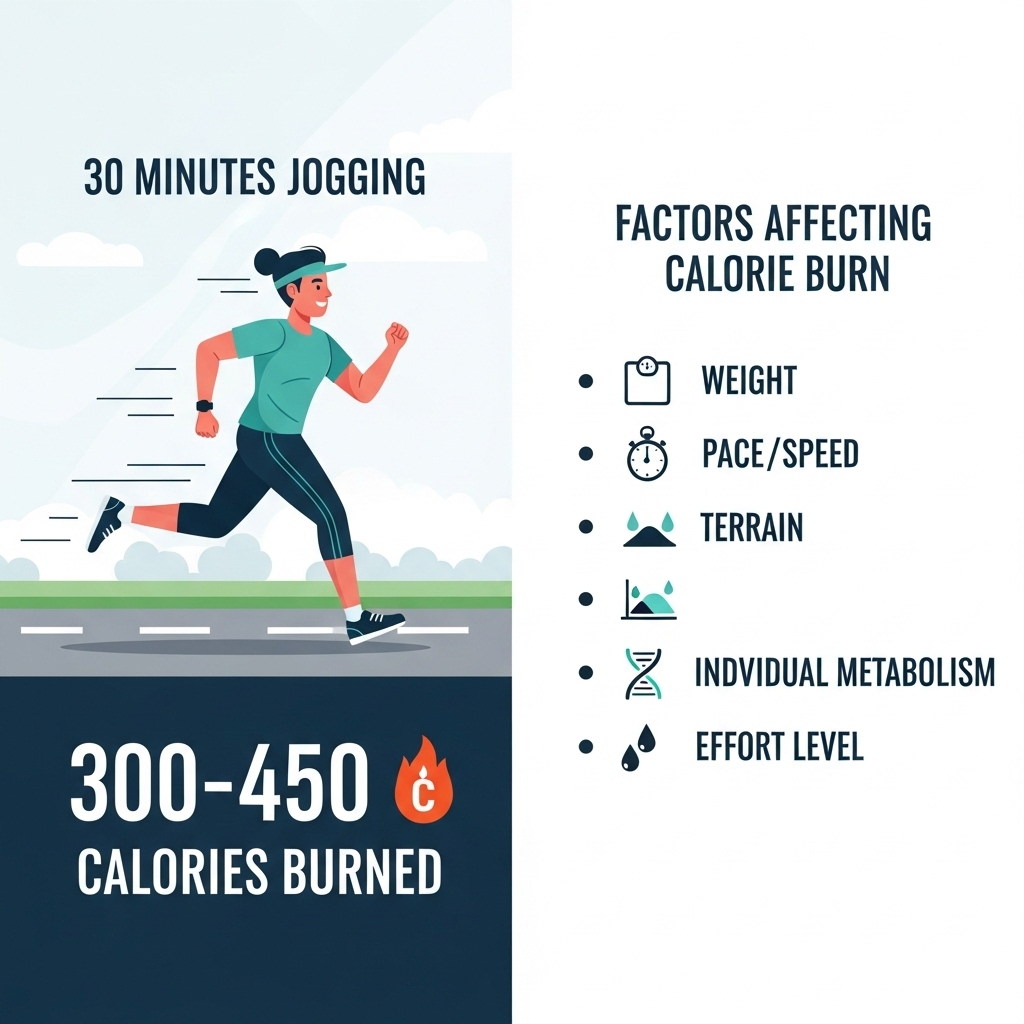
Calorie burn refers to the number of calories your body expends during physical activity. When you jog, your body uses energy to fuel your movements, and this energy is measured in calories. The number of calories you burn during jogging depends on several factors, including your weight, jogging speed, and the intensity of your workout. For example, a 120-pound person jogging at a moderate pace of 5 miles per hour can expect to burn approximately 120-140 calories per mile. This means that during a 30-minute jog, this person can expect to burn around 360-420 calories.
Factors Affecting Calorie Burn During Jogging
Several factors can affect the number of calories you burn during jogging. These include your weight, jogging speed, and the intensity of your workout. For instance, a heavier person will generally burn more calories than a lighter person, as their body needs to work harder to move their weight. Similarly, jogging at a faster pace will burn more calories than jogging at a slower pace. The intensity of your workout is also a crucial factor, as high-intensity jogging will burn more calories than low-intensity jogging. For example, a 150-pound person jogging at a high-intensity pace of 7 miles per hour can expect to burn approximately 700-800 calories during a 30-minute jog.
Calorie Burn Estimates for Different Weights and Jogging Speeds
To give you a better understanding of how many calories you can expect to burn during a 30-minute jog, we have compiled a list of estimated calorie burn rates for different weights and jogging speeds. Please note that these are approximate values and can vary depending on individual factors, such as your fitness level and the terrain you are jogging on.
For a 120-pound person: - Jogging at 5 miles per hour: 360-420 calories per 30 minutes - Jogging at 6 miles per hour: 480-560 calories per 30 minutes - Jogging at 7 miles per hour: 600-720 calories per 30 minutes
For a 150-pound person: - Jogging at 5 miles per hour: 520-620 calories per 30 minutes - Jogging at 6 miles per hour: 680-800 calories per 30 minutes - Jogging at 7 miles per hour: 840-1000 calories per 30 minutes
For a 180-pound person: - Jogging at 5 miles per hour: 680-820 calories per 30 minutes - Jogging at 6 miles per hour: 880-1050 calories per 30 minutes - Jogging at 7 miles per hour: 1100-1320 calories per 30 minutes
Tips to Increase Calorie Burn During Jogging
While the estimated calorie burn rates can give you an idea of how many calories you can expect to burn during a 30-minute jog, there are several tips you can follow to increase your calorie burn. These include incorporating interval training into your jogging routine, jogging uphill, and incorporating strength training exercises into your workout routine. Interval training involves alternating between high-intensity and low-intensity jogging, which can help you burn more calories than steady-state jogging. Jogging uphill can also help you burn more calories, as your body needs to work harder to overcome the incline. Finally, incorporating strength training exercises into your workout routine can help you build muscle mass, which can further increase your calorie burn.
Conclusion
In conclusion, the number of calories you burn during a 30-minute jog depends on several factors, including your weight, jogging speed, and the intensity of your workout. By understanding these factors and incorporating tips to increase calorie burn into your jogging routine, you can maximize your calorie burn and achieve your weight management goals. Whether you are a seasoned jogger or just starting out, it is essential to remember that jogging is a great way to improve your overall health and fitness, and with the right mindset and training, you can achieve your goals and enjoy the many benefits that jogging has to offer.
Remember to always consult with a healthcare professional before starting any new exercise routine, and to listen to your body and only do what feels comfortable and safe. With persistence and dedication, you can achieve your weight management goals and enjoy the many benefits that jogging has to offer. So why not lace up your jogging shoes and hit the road? Your body will thank you.