
Introduction to Reconstructive Hand Surgery
Reconstructive hand surgery has undergone significant advancements in recent years, transforming the field and improving outcomes for patients with hand injuries or congenital conditions. The integration of microsurgical techniques has been a key factor in this revolution, enabling surgeons to perform complex procedures with greater precision and success. This article will explore the latest developments in reconstructive hand surgery and microsurgery, highlighting the benefits and potential applications of these innovative approaches.
Understanding Microsurgical Techniques
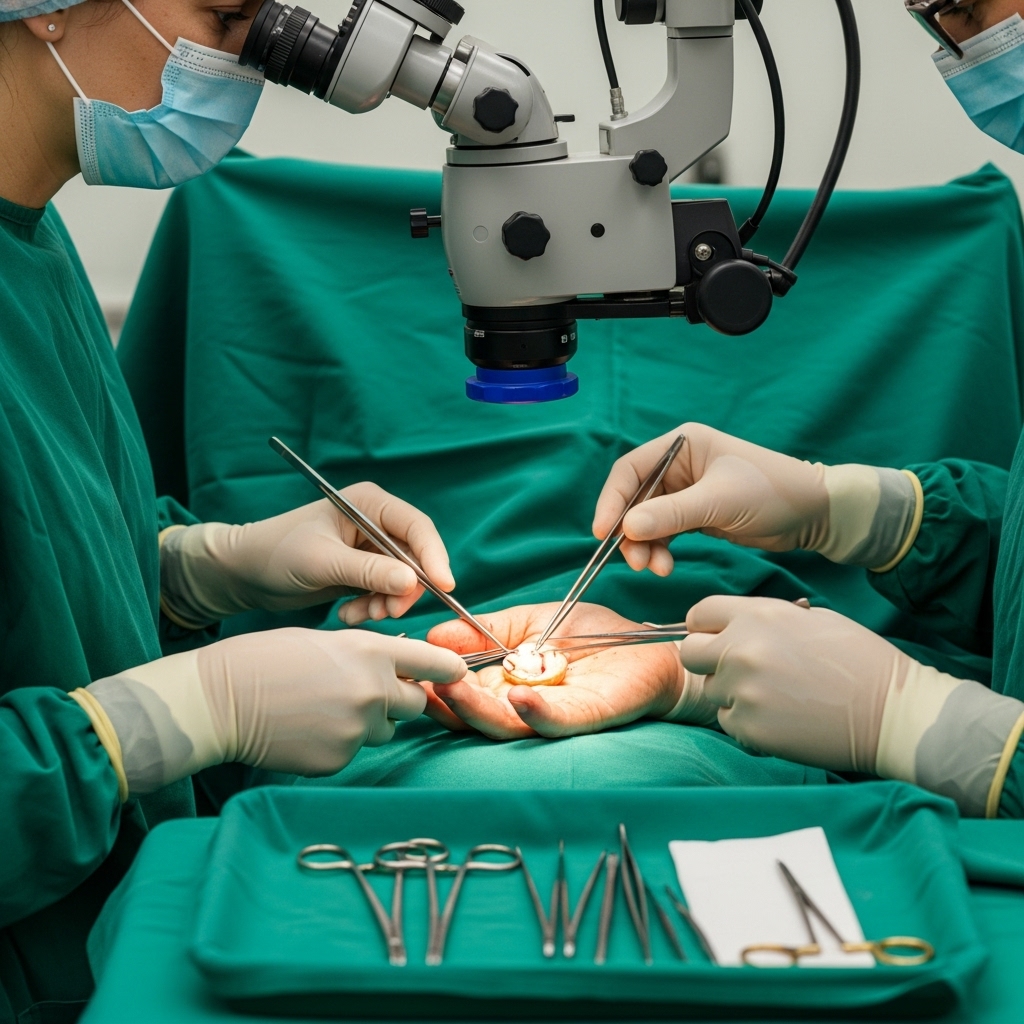
Microsurgery involves the use of specialized instruments and operating microscopes to perform delicate procedures on small structures, such as blood vessels and nerves. In the context of reconstructive hand surgery, microsurgery allows surgeons to repair or reconstruct damaged tissues with greater accuracy and minimal scarring. This is particularly important in the hand, where intricate anatomy and limited space can make traditional surgical approaches challenging. By leveraging microsurgical techniques, surgeons can achieve better functional and aesthetic outcomes, enabling patients to regain mobility and independence.
Advances in Reconstructive Hand Surgery
Reconstructive hand surgery encompasses a range of procedures, from skin grafts and flaps to tendon and nerve repairs. Recent advances in this field have focused on developing more effective and minimally invasive techniques, reducing recovery times and improving patient outcomes. For example, the use of perforator flaps has become increasingly popular, as these flaps can be harvested from various donor sites and tailored to meet the specific needs of the patient. Additionally, the development of new suture materials and techniques has enhanced the precision and durability of repairs, reducing the risk of complications and promoting optimal healing.
Applications of Microsurgery in Reconstructive Hand Surgery
Microsurgery has numerous applications in reconstructive hand surgery, including revascularization, reinnervation, and reconstruction of complex defects. Revascularization involves the repair of damaged blood vessels, which is critical for maintaining tissue viability and promoting healing. Reinnervation, on the other hand, focuses on restoring nerve function, enabling patients to regain sensation and motor control. In cases where significant tissue loss has occurred, microsurgical reconstruction can be used to transfer healthy tissue from one part of the body to another, restoring form and function to the affected area. For instance, a patient with a severe hand injury may undergo a toe-to-hand transfer, where a toe is relocated to the hand to replace a missing finger.
Case Studies and Examples
To illustrate the potential of reconstructive hand surgery and microsurgery, consider the case of a patient who suffered a traumatic hand injury, resulting in the loss of multiple fingers. Through a combination of microsurgical techniques, including revascularization and reinnervation, the patient was able to undergo a successful toe-to-hand transfer, regaining significant hand function and independence. Another example is the use of microsurgery to treat congenital conditions, such as syndactyly, where fingers are fused together. By carefully separating the affected digits and reconstructing the surrounding tissue, surgeons can improve the patient's overall hand function and appearance.
Challenges and Future Directions
Despite the significant advances in reconstructive hand surgery and microsurgery, there are still challenges to be addressed. One of the primary limitations is the complexity and delicacy of these procedures, which require specialized training and equipment. Additionally, the cost and accessibility of these treatments can be barriers for some patients. To overcome these challenges, researchers and clinicians are exploring new technologies, such as robotic-assisted microsurgery and 3D printing, which may enhance the precision and efficiency of these procedures. Furthermore, efforts to improve patient education and awareness, as well as to increase access to reconstructive hand surgery services, are essential for ensuring that these life-changing treatments are available to those who need them.
Conclusion
In conclusion, the integration of microsurgical techniques has revolutionized the field of reconstructive hand surgery, enabling surgeons to achieve better outcomes and improve the quality of life for patients with hand injuries or congenital conditions. As research and technology continue to advance, we can expect to see even more innovative approaches and applications of microsurgery in reconstructive hand surgery. By staying at the forefront of these developments and working to increase access to these treatments, we can help to transform the lives of individuals affected by hand trauma or congenital conditions, restoring their independence, mobility, and overall well-being.