
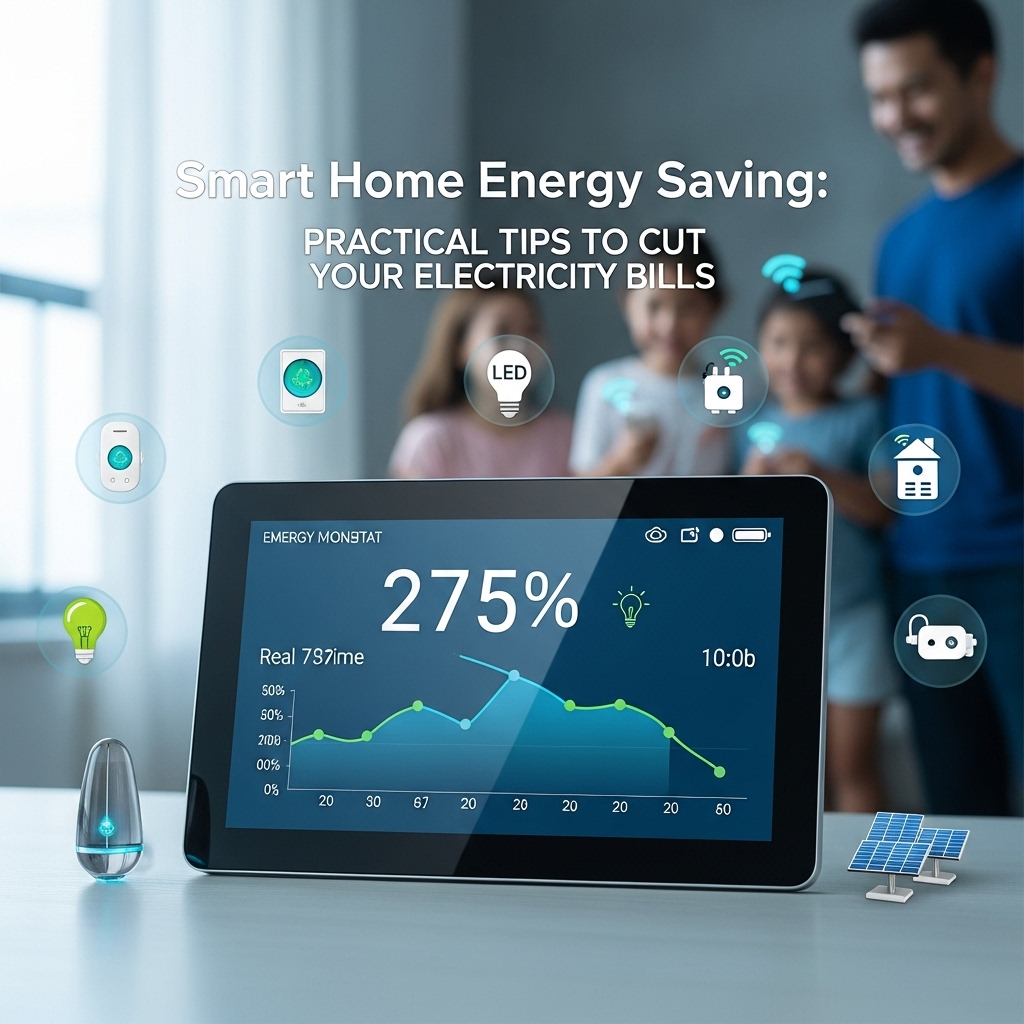
In today’s energy-conscious world, small changes at home can add up to significant savings on your electricity bill. This guide shares practical, budget-friendly tips to boost energy efficiency without sacrificing comfort.
Start with a simple energy audit. Identify vampire loads—devices that draw power even when turned off—and replace or unplug them when not in use. Use smart power strips for home entertainment systems and computers to prevent standby losses.
Upgrade to LED lighting and adopt daylighting strategies. LED bulbs consume up to 90% less energy than incandescent bulbs and last much longer. Pair LEDs with dimmers and motion sensors to further reduce consumption in living rooms, hallways, and outdoor areas.
Invest in a programmable or smart thermostat. Heating and cooling account for a large share of energy use. A well-configured thermostat can trim your bill by 8–15% by optimizing temperature settings based on your schedule and occupancy. If you live in a climate with significant seasonal variation, consider zoning to avoid heating empty rooms.
Improve insulation and air sealing. Drafts near windows and doors waste energy. Add weatherstripping, seal gaps, and consider upgrading insulation in the attic or walls. A well-insulated home keeps heat in during winter and out during summer, reducing HVAC runs.
Choose energy-efficient appliances and devices. When it’s time to shop, look for Energy Star-rated refrigerators, dishwashers, washers, and dryers. Use smart plugs to monitor usage and set schedules for high-energy tasks like laundry and dishwashing during off-peak hours.
Embrace renewable options where feasible. If your home can accommodate it, a modest solar setup or community solar can dramatically reduce electricity costs over time. Even partial solar coverage can deliver meaningful savings and environmental benefits.
Adopt daily habits that compound over time. Short, consistent actions—like keeping fridge temperatures around 3–4°C, washing full loads, using eco modes, and unplugging rarely-used devices—create a steady path to lower bills and a smaller carbon footprint.
Track progress and refine your plan. Use a simple energy-monitoring app or your utility’s online dashboard to measure consumption, compare monthly bills, and adjust settings as seasons change. A proactive approach keeps you motivated and on track.