
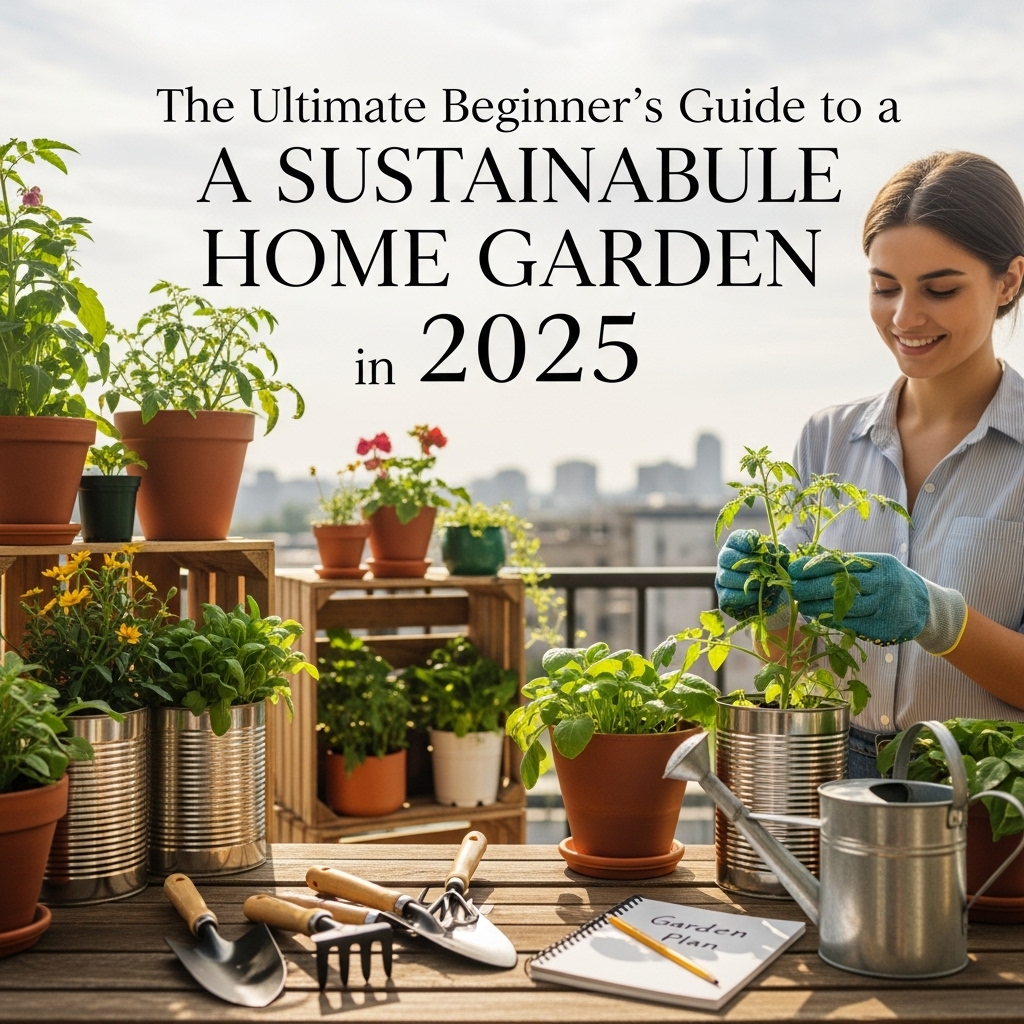
Starting a sustainable home garden in 2025 is both a rewarding hobby and a practical step toward healthier meals and a healthier planet. Whether you have a sunny balcony or a patch in the yard, you can grow fresh herbs, vegetables, and flowers while conserving water and building soil life.
Plan with purpose
Begin with a simple plan that matches your space, climate, and time. List what you want to harvest, the space you can dedicate, and your constraints such as sunlight or container size.
Assess your space
Observe sun exposure across the day. Most vegetables need at least six hours of sunlight. If light is limited, focus on leafy greens and herbs that tolerate partial shade. Consider raised beds or containers to improve drainage and soil health.
Soil and compost basics
Healthy soil is the foundation. If you can, test your soil or work with rich compost to improve structure and nutrients. Use compost, worm castings, and mulch to retain moisture and feed beneficial organisms.
Water wisely
Water deeply but less often to encourage roots to grow. Mulch to reduce evaporation. Collect rainwater where possible and monitor for overwatering, especially in containers.
Smart plant selection for beginners
Choose crops that are easy to grow and resilient. Examples include lettuce, spinach, radishes, beans, cherry tomatoes, herbs like basil and cilantro, and native plants that support pollinators.
Maintenance and seasonality
Establish a simple routine: weekly watering check, monthly soil refresh, and continuous succession planting for steady harvests. Keep an eye on pests with a gentle, proactive approach.
Common mistakes to avoid
- Overwatering or inconsistent care
- Using soil that is too compact or lacking nutrients
- Ignoring sun and space needs of different plants
Getting started today
Start small with a few pots or a small bed, then scale up. Document what works in your climate and adjust as seasons shift. A thriving home garden is built on steady habits, not big one time efforts.