
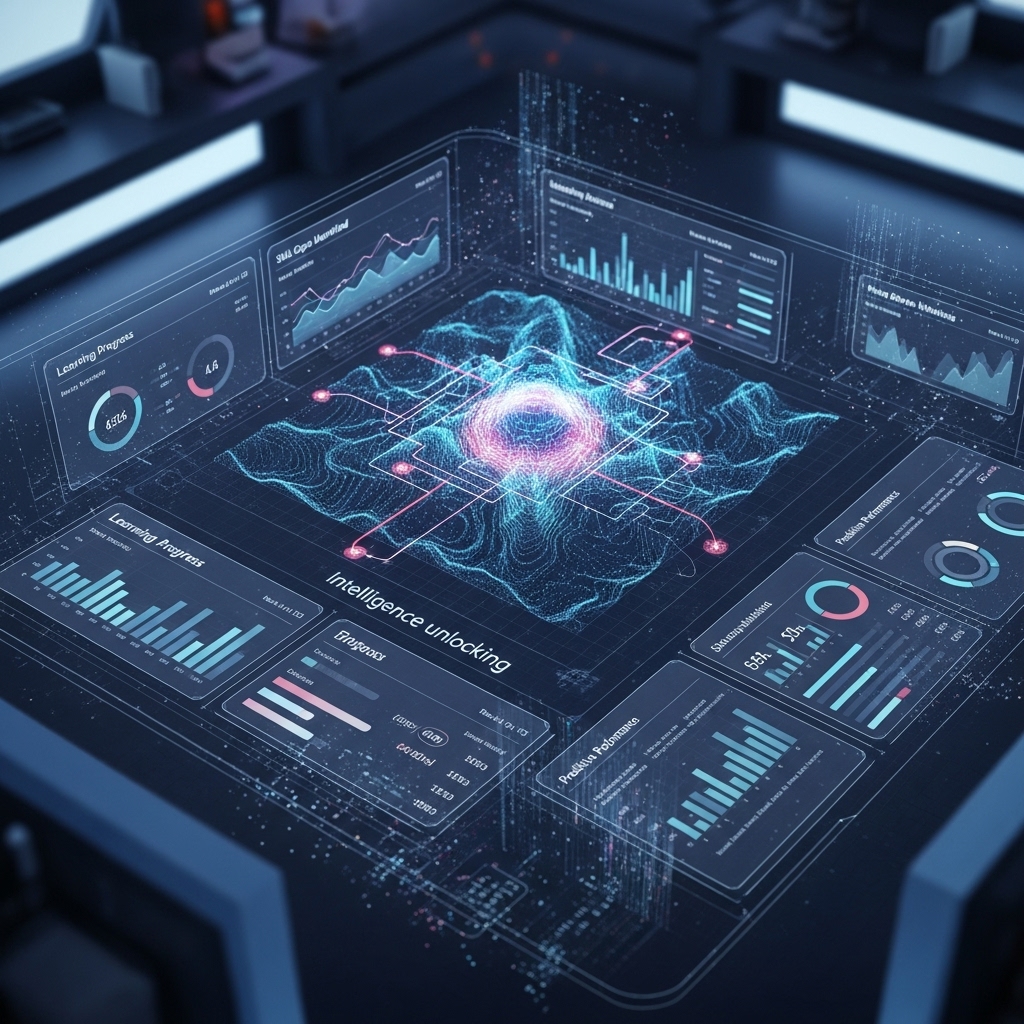
Introduction to Unlocking Intelligence
The era of data-driven decision making has revolutionized numerous sectors, and education is no exception. The integration of learning insight dashboards has transformed the way educational institutions approach student performance analysis, curriculum development, and teacher training. These dashboards are powerful tools that compile and analyze vast amounts of data, providing actionable insights that can significantly enhance the learning experience. In this article, we will delve into the world of data-driven learning insight dashboards, exploring their potential, current trends, and the future of intelligent, data-informed education.
Understanding Learning Insight Dashboards
Learning insight dashboards are sophisticated platforms designed to collect, analyze, and visualize data related to student learning outcomes, behaviors, and other educational metrics. These dashboards can process data from various sources, including learning management systems, student information systems, and even external data sources like social media and online educational platforms. By leveraging advanced analytics and artificial intelligence, these tools provide educators with a comprehensive view of student performance, helping them identify areas of strength and weakness, and make informed decisions about curriculum adjustments, student support, and resource allocation.
For instance, a dashboard might show that a particular group of students is struggling with a specific concept in mathematics. Armed with this information, teachers can develop targeted interventions, such as additional tutoring sessions or modified lesson plans, to support these students. This not only improves student outcomes but also enhances the overall efficiency of the educational process.
Key Features of Effective Learning Insight Dashboards
An effective learning insight dashboard should possess several key features. First, it must be able to integrate with existing educational systems seamlessly, ensuring that data collection is automated and comprehensive. Second, it should offer advanced analytics capabilities, including predictive modeling and machine learning algorithms, to provide deep insights into student learning patterns and potential future outcomes. Third, the dashboard should be user-friendly, with an intuitive interface that makes it easy for educators, who may not have a background in data analysis, to navigate and understand the insights presented.
Moreover, security and privacy are paramount. Given the sensitive nature of student data, these dashboards must adhere to the highest standards of data protection, ensuring that information is not only secure but also compliant with relevant privacy laws and regulations. Examples of such features include encryption, access controls, and transparent data handling practices.
Applications and Benefits
The applications of learning insight dashboards are vast and varied. They can be used to personalize learning pathways for students, allowing for a more tailored approach to education that caters to individual needs and learning styles. They can also help in identifying at-risk students early, enabling proactive interventions that can prevent dropout and improve graduation rates. Furthermore, these dashboards can assist in evaluating the effectiveness of educational programs and policies, providing valuable feedback for continuous improvement.
For example, a university might use a learning insight dashboard to analyze the impact of a new curriculum on student outcomes. By comparing data from before and after the curriculum change, educators can assess whether the new approach is more effective and make adjustments accordingly. This data-driven approach to curriculum development can lead to more effective educational programs and better student outcomes.
Challenges and Limitations
Despite the potential of learning insight dashboards, there are challenges and limitations to their adoption and effective use. One of the primary concerns is data quality. If the data fed into these systems is incomplete, inaccurate, or biased, the insights generated will be flawed, leading to potentially harmful decisions. Additionally, there is a need for significant investment in infrastructure and training. Educators must be equipped with the skills to interpret complex data insights and act upon them, which can require substantial professional development efforts.
Moreover, ethical considerations, such as ensuring equity and avoiding bias in algorithmic decision-making, are critical. There is a risk that these systems could perpetuate existing inequalities if they are not designed with fairness and transparency in mind. Addressing these challenges will be essential to unlocking the full potential of learning insight dashboards.
Future Directions and Innovations
The future of learning insight dashboards is promising, with several innovations on the horizon. The integration of artificial intelligence (AI) and machine learning (ML) is expected to enhance the predictive capabilities of these dashboards, allowing for more accurate forecasting of student outcomes and more effective interventions. Additionally, the incorporation of emerging technologies like blockchain could improve data security and transparency, addressing some of the ethical concerns associated with data privacy.
Another area of innovation is the development of more personalized and adaptive learning systems. By leveraging data from learning insight dashboards, educational platforms can offer real-time adjustments to the learning content, pace, and method based on individual student performance and preferences. This could revolutionize the way we approach education, making it more effective, engaging, and accessible for all students.
Conclusion: Embracing the Future of Education
In conclusion, learning insight dashboards represent a significant step forward in the pursuit of data-driven education. By providing educators with the insights they need to make informed decisions, these platforms have the potential to improve student outcomes, enhance the efficiency of educational systems, and contribute to a more equitable and effective learning environment. As we move forward, it will be crucial to address the challenges associated with these systems, including data quality, ethical considerations, and the need for professional development.
Embracing the future of education means embracing the role of technology and data in enhancing teaching and learning. As learning insight dashboards continue to evolve, they will play an increasingly vital role in shaping the educational landscape. By understanding their potential, limitations, and future directions, we can work towards creating a more intelligent, responsive, and effective education system for all.