
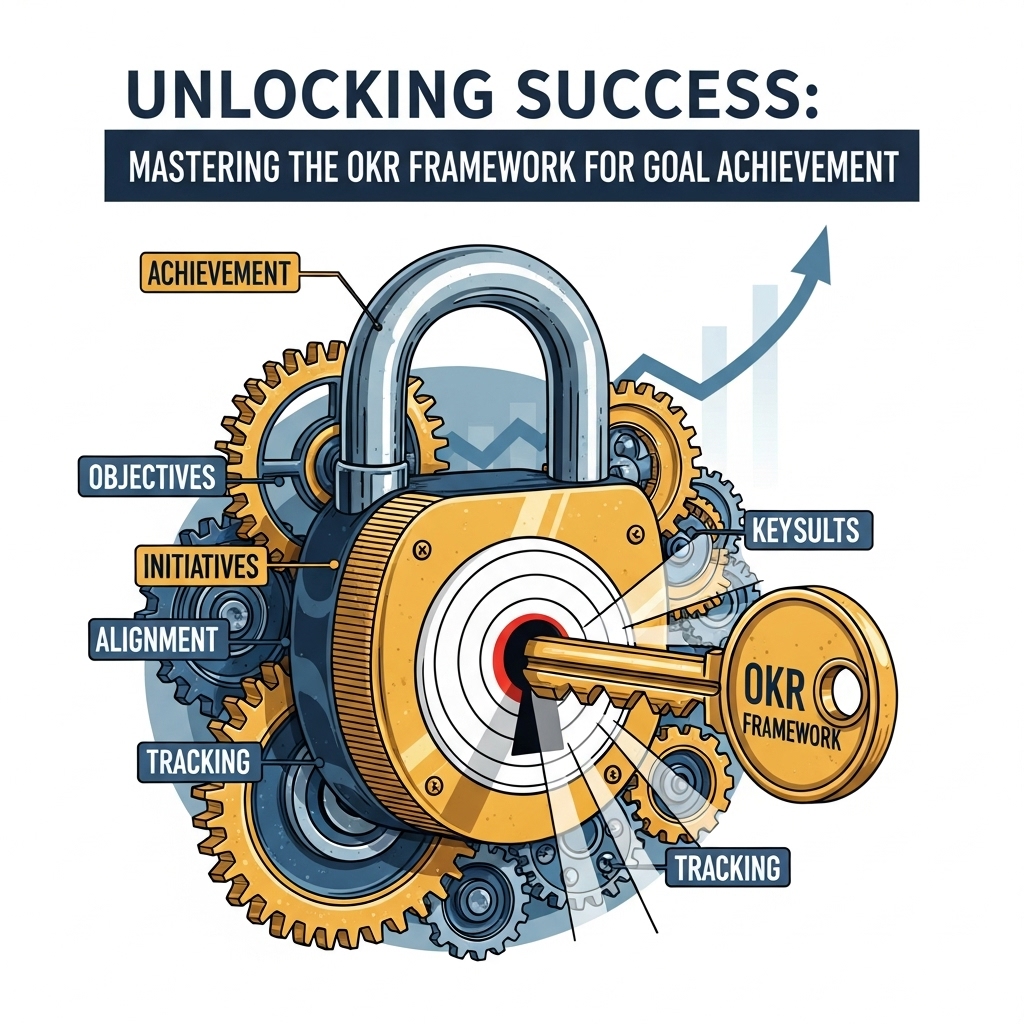
Introduction to OKRs
The OKR framework, which stands for Objectives and Key Results, is a goal-setting methodology used by individuals, teams, and organizations to define and track objectives and their measurable outcomes. This framework has gained popularity over the years due to its simplicity, flexibility, and effectiveness in achieving goals. In this article, we will delve into the world of OKRs, exploring how to master this framework for successful goal achievement. Whether you are an individual looking to enhance your personal productivity or a leader seeking to align your team towards a common vision, understanding and implementing OKRs can be a game-changer.
Understanding the Basics of OKRs
At its core, the OKR framework consists of two main components: Objectives and Key Results. Objectives are inspirational and concise statements that describe what you want to achieve. They should be significant, concrete, and action-oriented, providing a clear direction. Key Results, on the other hand, are quantitative measures that indicate progress toward an objective. They should be specific, time-bound, and verifiable, allowing for the tracking of progress. A well-crafted OKR should be challenging yet achievable, focusing on outcomes rather than activities. For instance, an objective might be "Improve Customer Satisfaction," with key results such as "Increase customer retention rate by 15% within the next 6 months" and "Reduce average customer complaint response time to under 2 hours by the end of Q2."
Setting Effective OKRs
Setting effective OKRs requires careful consideration and planning. It's essential to start by identifying the most important objectives that align with your overall strategy or personal vision. Objectives should be prioritized based on their impact and urgency. When crafting key results, ensure they are measurable and achievable within a specific timeframe. It's also crucial to limit the number of OKRs to focus on what really matters, as having too many can lead to dilution of effort and resources. For teams, OKRs should be aligned with the company's overall objectives, ensuring everyone is working towards the same goals. Regular review and adjustment of OKRs are necessary to reflect changes in priorities or unforeseen challenges.
Implementing OKRs in Your Organization
Implementing OKRs within an organization involves several steps. First, there needs to be a clear communication of the OKR framework and its benefits to all stakeholders. Leadership should set the tone by establishing company-wide OKRs that cascade down to departments and teams. Each team and individual should then set their OKRs, ensuring alignment with the company's overall objectives. Regular check-ins, such as weekly or monthly meetings, should be scheduled to track progress, discuss challenges, and make necessary adjustments. Transparency and accountability are key; using OKR tracking software can help in maintaining visibility and automating the reporting process. For example, Google, LinkedIn, and Amazon are among the companies that have successfully implemented OKRs to drive focus and growth.
Challenges and Best Practices
While the OKR framework is powerful, its implementation is not without challenges. One common issue is setting objectives that are too vague or key results that are not truly measurable. Another challenge is maintaining focus on the OKRs amidst daily operational tasks. Best practices include making OKRs visible to everyone in the organization, ensuring they are regularly reviewed and updated, and tying them to performance evaluations and incentives. It's also important to celebrate successes, no matter how small, to keep motivation high. Additionally, providing training and resources to help teams and individuals understand how to set and work with OKRs can significantly improve adoption and effectiveness.
OKRs for Personal Goal Achievement
OKRs are not limited to organizational use; they can also be a powerful tool for personal goal achievement. By applying the OKR framework to personal objectives, individuals can create a clear roadmap to success. For example, a personal objective might be "Improve Physical Health," with key results such as "Run a 5K in under 30 minutes by the end of the year" and "Reduce body fat percentage to 20% within the next 9 months." Using OKRs personally helps in staying focused, motivated, and committed to long-term goals. It also allows for the celebration of progress and the adjustment of strategies as needed.
Conclusion
In conclusion, mastering the OKR framework is a straightforward yet powerful way to achieve goals, whether personal or organizational. By understanding the basics of OKRs, setting effective objectives and key results, and implementing them with diligence and flexibility, individuals and teams can unlock their full potential. The OKR framework offers a structured approach to goal-setting, ensuring that efforts are focused, measurable, and aligned with what truly matters. As organizations and individuals continue to seek better ways to achieve their goals in an ever-changing world, the OKR framework stands out as a simple, effective, and adaptable methodology for success.