
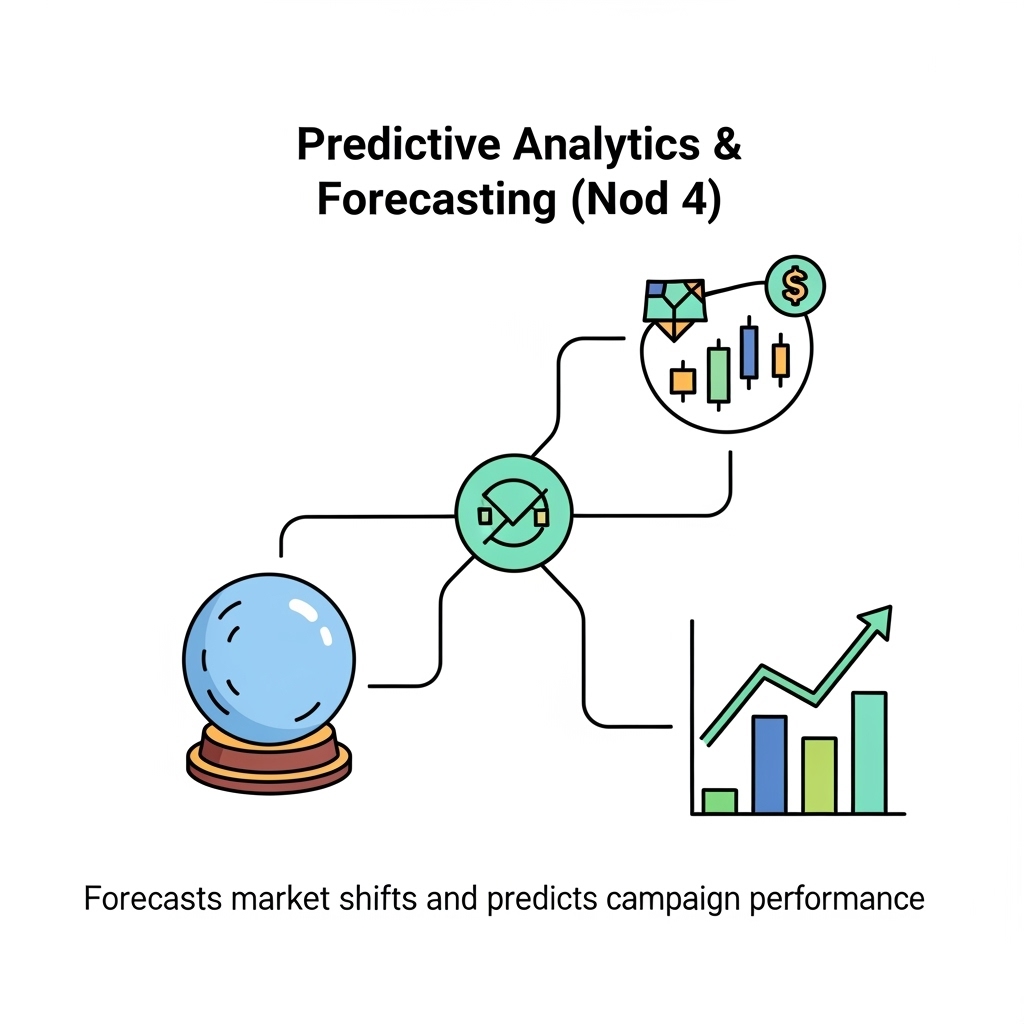
Introduction to AI Brand Strategy Development
Artificial intelligence (AI) has revolutionized the way businesses approach brand strategy development. With the ability to analyze vast amounts of data, AI tools can help companies gain a deeper understanding of their target audience, identify trends, and make informed decisions. In this article, we will explore the AI tools that enhance brand strategy development effectively, and how they can be leveraged to drive business success.
Understanding AI-Powered Market Research
Traditional market research methods can be time-consuming and expensive. However, AI-powered market research tools have changed the game. These tools use natural language processing (NLP) and machine learning algorithms to analyze large datasets, providing valuable insights into consumer behavior, preferences, and trends. For example, tools like Brandwatch and Hootsuite Insights use AI to analyze social media conversations, helping businesses understand their online reputation and identify areas for improvement.
Another example is the use of AI-powered surveys, which can help businesses collect and analyze data more efficiently. Tools like SurveyMonkey and Google Forms use AI to analyze survey responses, providing businesses with actionable insights and recommendations. By leveraging AI-powered market research, businesses can make data-driven decisions, reduce costs, and improve the effectiveness of their brand strategy.
AI-Driven Content Creation and Optimization
Content creation is a critical component of brand strategy development. AI-driven content creation tools can help businesses produce high-quality, engaging content that resonates with their target audience. For instance, tools like WordLift and Content Blossom use AI to analyze content performance, providing recommendations for improvement and suggesting new content ideas.
AI can also be used to optimize existing content, improving its visibility and engagement. Tools like Acrolinx and Scoop.it use AI to analyze content and suggest optimization strategies, such as keyword research, meta tagging, and social media promotion. By leveraging AI-driven content creation and optimization tools, businesses can improve the effectiveness of their content marketing efforts, drive more traffic to their website, and increase brand awareness.
Personalization and Customer Experience
Personalization is key to delivering exceptional customer experiences. AI tools can help businesses personalize their marketing efforts, tailoring messages and offers to individual customers based on their preferences, behavior, and demographics. For example, tools like Salesforce and Adobe Experience Cloud use AI to analyze customer data, providing personalized recommendations and offers that drive engagement and conversion.
AI-powered chatbots are another example of how businesses can use AI to enhance customer experience. Chatbots like Dialogflow and ManyChat use AI to analyze customer inquiries, providing personalized responses and support. By leveraging AI-powered personalization and customer experience tools, businesses can build stronger relationships with their customers, drive loyalty, and increase revenue.
AI-Powered Social Media Management
Social media is a critical channel for brand strategy development. AI-powered social media management tools can help businesses optimize their social media presence, engage with their audience, and drive website traffic. For instance, tools like Buffer and Sprout Social use AI to analyze social media performance, providing recommendations for improvement and suggesting new content ideas.
AI can also be used to automate social media tasks, such as scheduling posts and responding to comments. Tools like Hootsuite and Agorapulse use AI to analyze social media conversations, providing personalized responses and support. By leveraging AI-powered social media management tools, businesses can improve the effectiveness of their social media marketing efforts, drive more website traffic, and increase brand awareness.
Measuring and Optimizing Brand Performance
Measuring and optimizing brand performance is critical to brand strategy development. AI tools can help businesses track key performance indicators (KPIs), such as brand awareness, engagement, and conversion. For example, tools like Google Analytics and Mixpanel use AI to analyze website data, providing insights into user behavior and suggesting optimization strategies.
AI can also be used to analyze brand reputation, identifying areas for improvement and providing recommendations for enhancement. Tools like Brand24 and Mention use AI to analyze online conversations, providing businesses with real-time insights into their brand reputation. By leveraging AI-powered measurement and optimization tools, businesses can refine their brand strategy, improve performance, and drive business success.
Conclusion
In conclusion, AI tools have the power to enhance brand strategy development effectively. From market research and content creation to personalization and social media management, AI can help businesses gain a deeper understanding of their target audience, identify trends, and make informed decisions. By leveraging AI-powered tools, businesses can drive business success, improve brand awareness, and build stronger relationships with their customers. As AI technology continues to evolve, it's essential for businesses to stay ahead of the curve, embracing AI-powered tools that can help them achieve their brand strategy goals.
Whether you're a small business or a large enterprise, AI tools can help you develop a winning brand strategy that drives results. By understanding the AI tools that enhance brand strategy development, businesses can unlock new opportunities, drive growth, and stay competitive in today's fast-paced digital landscape. So, what are you waiting for? Start exploring the world of AI-powered brand strategy development today and discover the difference it can make for your business.