
Introduction to High-Performance Battery Development
High-performance batteries are crucial for the widespread adoption of electric vehicles, renewable energy systems, and portable electronics. The development of advanced materials has played a significant role in improving the efficiency, safety, and lifespan of batteries. In recent years, researchers have focused on creating new materials and enhancing existing ones to meet the growing demand for high-performance batteries. This article will explore the advanced materials used in high-performance battery development, their properties, and applications.
Advanced Cathode Materials
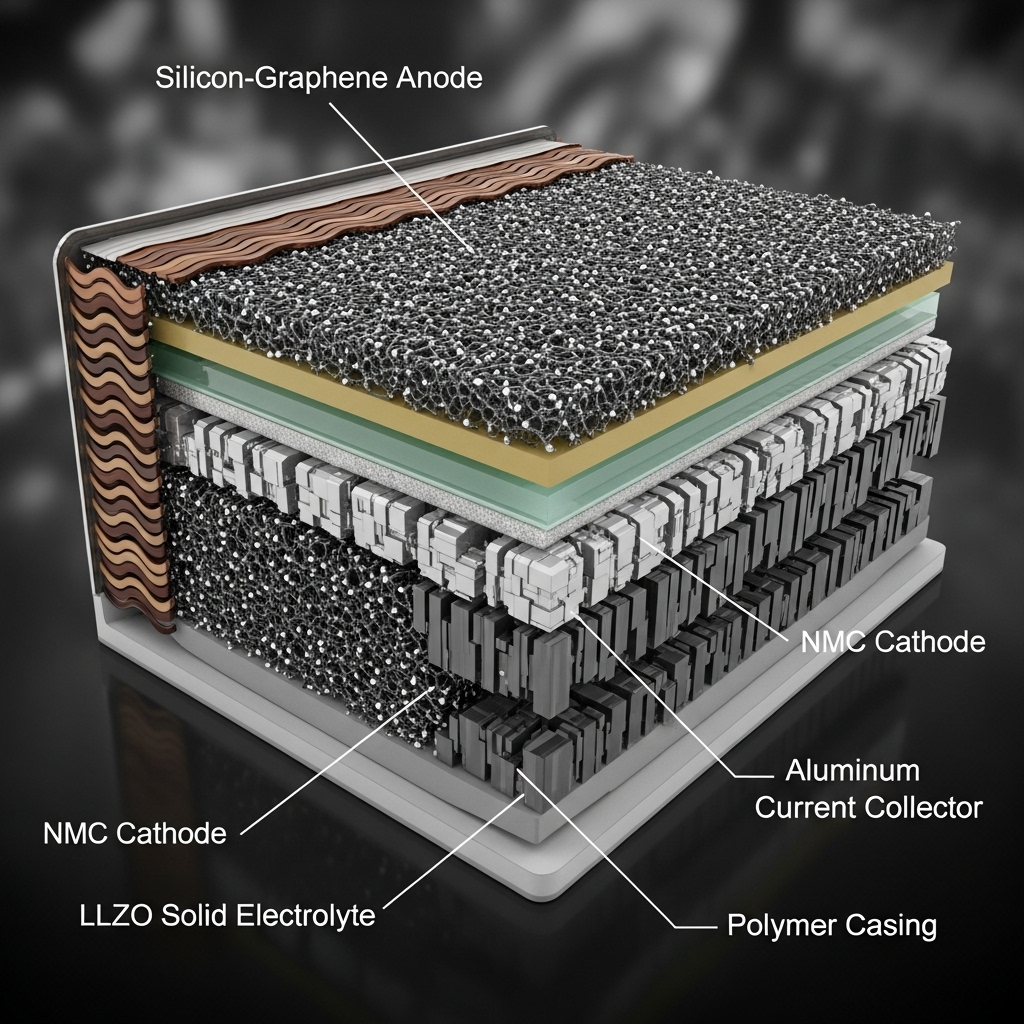
Cathode materials are a critical component of batteries, as they determine the overall performance and energy density of the cell. Traditional cathode materials, such as lithium cobalt oxide (LiCoO2), have limitations in terms of energy density, cycle life, and safety. To overcome these limitations, researchers have developed advanced cathode materials, including lithium nickel manganese cobalt oxide (NMC) and lithium iron phosphate (LFP). NMC, for example, offers a higher energy density and longer cycle life than LiCoO2, making it a popular choice for electric vehicle batteries.
Another example of advanced cathode materials is the lithium-rich cobalt-based material, which has shown promising results in terms of energy density and cycle life. These materials have the potential to increase the energy density of batteries by up to 50%, making them ideal for applications where high energy storage is required.
Advanced Anode Materials
Anode materials, on the other hand, have also undergone significant advancements in recent years. Traditional anode materials, such as graphite, have limitations in terms of energy density and cycle life. To address these limitations, researchers have developed advanced anode materials, including silicon-based and lithium-titanate-based materials. Silicon-based anodes, for example, offer a higher energy density than graphite, but they can be prone to volume expansion and contraction during charging and discharging.
Lithium-titanate-based anodes, on the other hand, offer a longer cycle life and improved safety compared to graphite. These materials have the potential to increase the energy density of batteries by up to 30%, making them ideal for applications where high energy storage is required.
Solid-State Electrolytes
Solid-state electrolytes are a new class of materials that have the potential to revolutionize the battery industry. Traditional liquid electrolytes are prone to leakage, overheating, and flammability, which can lead to safety issues. Solid-state electrolytes, on the other hand, offer improved safety, energy density, and cycle life. They are also more resistant to overheating and leakage, making them ideal for high-performance applications.
Researchers have developed various types of solid-state electrolytes, including oxide-based, sulfide-based, and polymer-based materials. Oxide-based solid-state electrolytes, for example, offer high ionic conductivity and stability, making them suitable for high-performance batteries.
Advanced Separator Materials
Separator materials play a critical role in preventing electrical shorts and ensuring safe operation of batteries. Traditional separator materials, such as polyethylene and polypropylene, have limitations in terms of thermal stability and puncture resistance. To address these limitations, researchers have developed advanced separator materials, including ceramic-coated and nanofiber-based separators.
Ceramic-coated separators, for example, offer improved thermal stability and puncture resistance compared to traditional separators. Nanofiber-based separators, on the other hand, offer high porosity and surface area, making them ideal for high-performance batteries.
Graphene and 2D Materials
Graphene and other 2D materials have shown significant promise in battery applications due to their unique properties, such as high electrical conductivity, mechanical strength, and surface area. Graphene, for example, can be used as a conductive additive to improve the electrical conductivity of electrodes, or as a coating to enhance the stability of electrodes.
Other 2D materials, such as transition metal dichalcogenides (TMDs), have also been explored for battery applications. TMDs offer high energy density and power density, making them ideal for high-performance batteries.
Conclusion
In conclusion, advanced materials have played a significant role in the development of high-performance batteries. From cathode and anode materials to solid-state electrolytes and separator materials, researchers have made significant progress in improving the efficiency, safety, and lifespan of batteries. The use of graphene and 2D materials has also shown promising results in battery applications. As research continues to advance, we can expect to see even more innovative materials and technologies emerge, enabling the widespread adoption of electric vehicles, renewable energy systems, and portable electronics.
The development of high-performance batteries will require continued investment in research and development, as well as collaboration between industry, academia, and government. However, the potential rewards are significant, and the impact on the environment, economy, and society will be substantial. As we move towards a more sustainable and energy-efficient future, the development of advanced materials for high-performance batteries will play a critical role in enabling this transition.