
Introduction to Ovarian Cancer
Ovarian cancer is a type of cancer that affects the ovaries, which are the female reproductive organs responsible for producing eggs. It is one of the most common types of cancer in women, and it can be deadly if not caught early. The American Cancer Society estimates that over 22,000 women will be diagnosed with ovarian cancer each year, and over 14,000 will die from the disease. The key to surviving ovarian cancer is early detection, which is why it's essential to know the early warning signs of the disease. In this article, we will explore the early warning signs of ovarian cancer in women, and what you can do to reduce your risk of developing this deadly disease.
Understanding the Symptoms of Ovarian Cancer
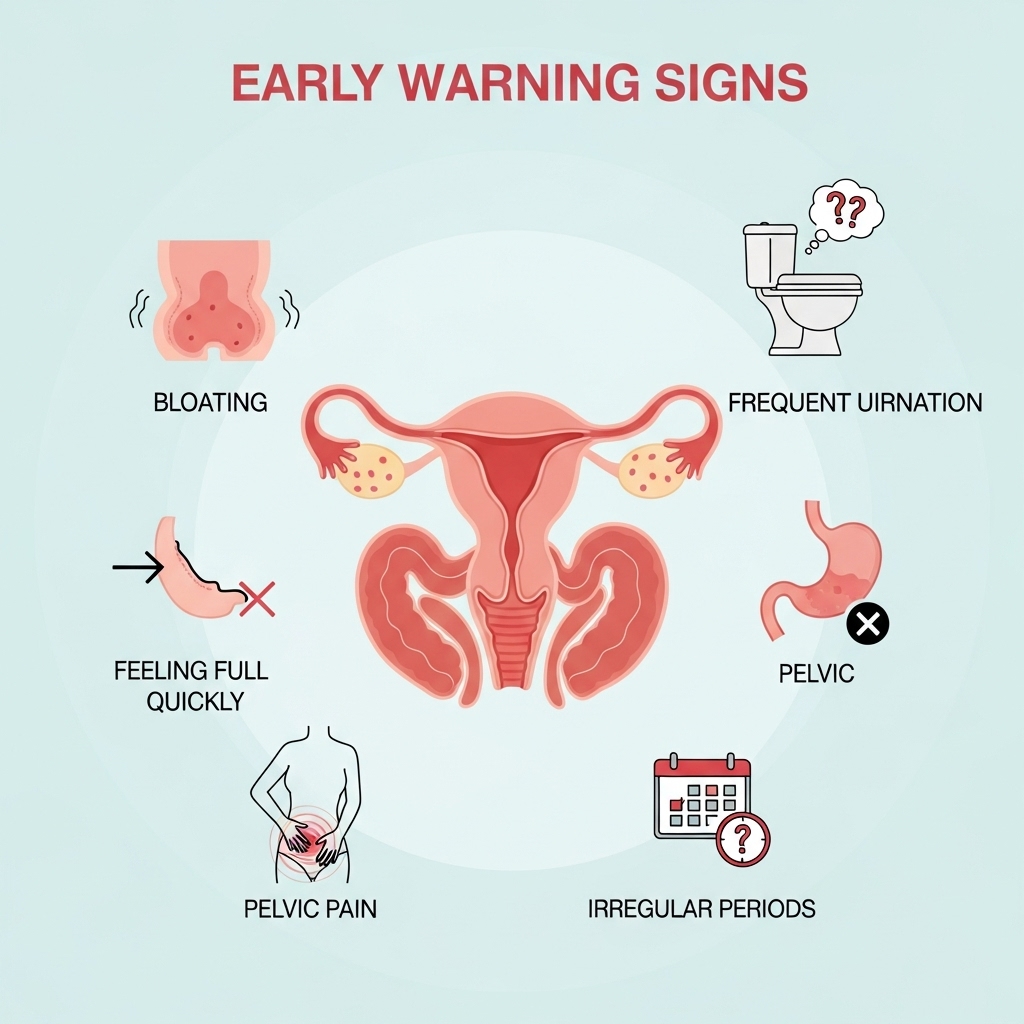
The symptoms of ovarian cancer can be subtle and may not always be apparent in the early stages of the disease. In fact, many women with ovarian cancer do not experience any symptoms at all until the disease has advanced. However, there are some common symptoms that may indicate the presence of ovarian cancer, including bloating, pelvic pain, difficulty eating or feeling full quickly, and urinary urgency or frequency. These symptoms can be caused by a variety of factors, so it's essential to consult with a doctor if you experience any of them. For example, a woman who experiences persistent bloating and pelvic pain may be diagnosed with ovarian cancer, while a woman who experiences the same symptoms may be diagnosed with a different condition, such as irritable bowel syndrome.
Risk Factors for Ovarian Cancer
Certain risk factors can increase a woman's chances of developing ovarian cancer. These risk factors include age, family history, genetic mutations, and reproductive history. Women over the age of 50 are at a higher risk of developing ovarian cancer, as are women who have a family history of the disease. Women who have a genetic mutation, such as BRCA1 or BRCA2, are also at a higher risk of developing ovarian cancer. Additionally, women who have never given birth or who have a history of infertility may be at a higher risk of developing the disease. For example, a woman who has a mother or sister with ovarian cancer may be more likely to develop the disease herself, and may want to consider genetic testing to determine her risk.
Early Warning Signs of Ovarian Cancer
While the symptoms of ovarian cancer can be subtle, there are some early warning signs that may indicate the presence of the disease. These early warning signs include persistent bloating, pelvic pain, and difficulty eating or feeling full quickly. Women who experience these symptoms should consult with a doctor, as they may be indicative of ovarian cancer. Other early warning signs of ovarian cancer include fatigue, back pain, and pain during sex. For example, a woman who experiences persistent pelvic pain and bloating may want to consult with a doctor to rule out ovarian cancer, even if she is not experiencing any other symptoms.
Diagnosing Ovarian Cancer
Diagnosing ovarian cancer can be challenging, as the symptoms of the disease can be similar to those of other conditions. To diagnose ovarian cancer, a doctor will typically perform a physical exam, take a complete medical history, and order imaging tests such as a pelvic exam, ultrasound, or CT scan. A doctor may also order a blood test to check for a protein called CA-125, which can be elevated in women with ovarian cancer. If a doctor suspects ovarian cancer, they may also perform a biopsy to confirm the diagnosis. For example, a woman who is diagnosed with ovarian cancer may undergo surgery to remove the tumor, as well as chemotherapy or radiation therapy to treat the disease.
Reducing Your Risk of Ovarian Cancer
While there is no sure way to prevent ovarian cancer, there are some steps that women can take to reduce their risk of developing the disease. These steps include maintaining a healthy weight, exercising regularly, and eating a healthy diet. Women who are at a higher risk of developing ovarian cancer, such as those with a family history of the disease, may also want to consider genetic testing to determine their risk. Additionally, women who are over the age of 50 or who have a history of infertility may want to discuss their risk of ovarian cancer with their doctor. For example, a woman who has a family history of ovarian cancer may want to consider having her ovaries removed as a preventative measure, or may want to undergo regular screening tests to detect the disease early.
Conclusion
In conclusion, ovarian cancer is a deadly disease that can be difficult to detect in its early stages. However, by knowing the early warning signs of the disease, women can take steps to reduce their risk and increase their chances of survival. Women who experience persistent bloating, pelvic pain, or difficulty eating or feeling full quickly should consult with a doctor, as these symptoms may be indicative of ovarian cancer. Additionally, women who are at a higher risk of developing ovarian cancer, such as those with a family history of the disease, should discuss their risk with their doctor and consider genetic testing or regular screening tests. By taking these steps, women can reduce their risk of ovarian cancer and increase their chances of living a long and healthy life.