
Introduction to Risk Accuracy in Decision Making Models
Risk accuracy in decision making models is crucial for businesses, organizations, and individuals to make informed decisions. The ability to accurately assess and predict risks can help mitigate potential losses, capitalize on opportunities, and drive growth. However, achieving risk accuracy is a complex task that involves multiple factors. In this article, we will explore the main factors that affect risk accuracy in decision making models, and discuss ways to improve the accuracy of risk assessments.
Understanding Risk Accuracy
Risk accuracy refers to the degree to which a risk assessment or prediction aligns with actual outcomes. In other words, it measures how well a model or methodology can forecast potential risks and their likelihood of occurrence. Risk accuracy is critical in various fields, including finance, healthcare, engineering, and environmental management. For instance, in finance, accurate risk assessments can help investors make informed decisions about investments, while in healthcare, they can inform treatment plans and patient outcomes.
Data Quality and Risk Accuracy
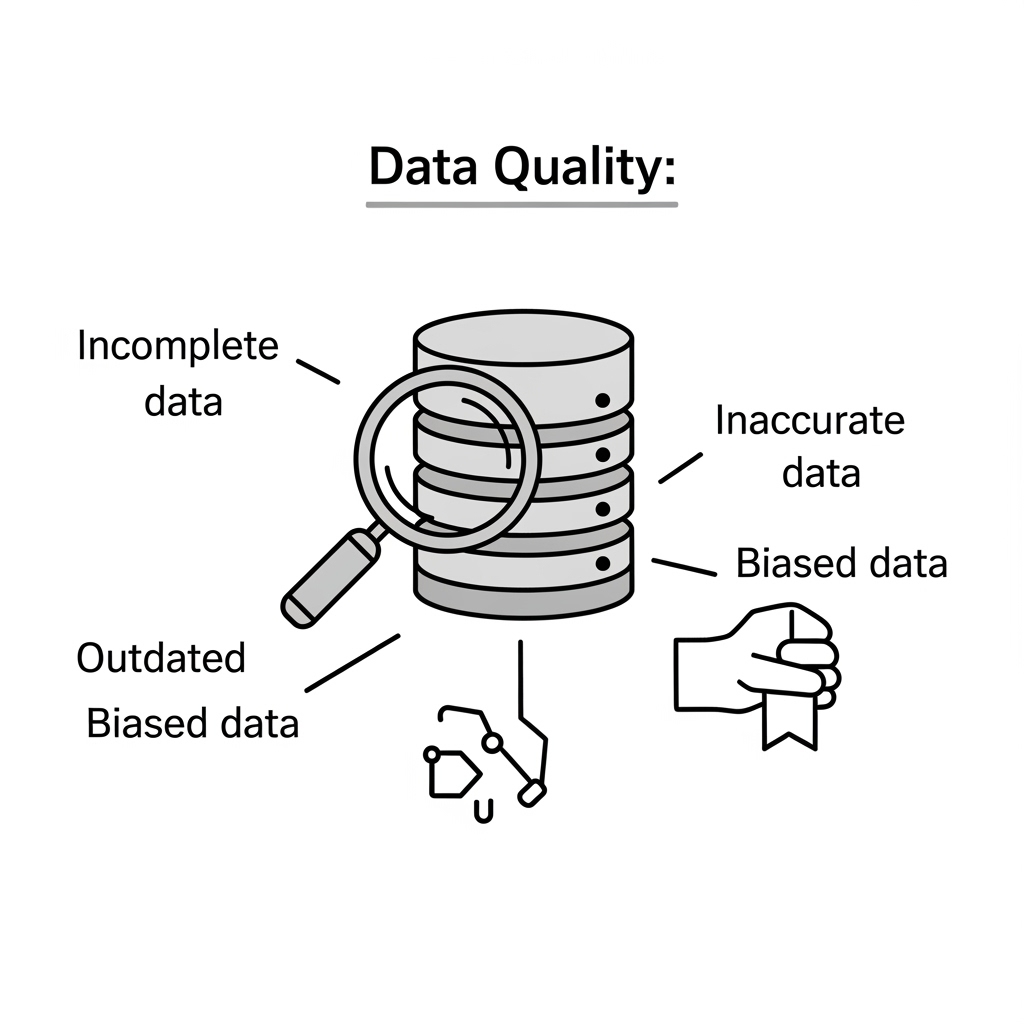
Data quality is a significant factor that affects risk accuracy. High-quality data that is accurate, complete, and relevant is essential for building reliable risk models. Poor data quality, on the other hand, can lead to biased or inaccurate risk assessments. For example, a study by the Harvard Business Review found that poor data quality can result in a 10-30% error rate in risk assessments. To ensure data quality, organizations should implement robust data collection and validation processes, and regularly review and update their data to reflect changing circumstances.
Model Complexity and Risk Accuracy
The complexity of a risk model can also impact its accuracy. Simple models may not capture the nuances of complex systems, while overly complex models can be prone to errors and difficult to interpret. A study by the Journal of Risk Research found that models with moderate complexity tend to perform better than simple or highly complex models. Additionally, models should be regularly reviewed and updated to reflect changing circumstances and new information. For instance, a risk model for a financial institution should be updated to reflect changes in market conditions, regulatory requirements, and economic trends.
Human Judgment and Risk Accuracy
Human judgment and expertise play a significant role in risk accuracy. Experienced risk assessors can bring valuable insights and knowledge to the risk assessment process, but they can also introduce biases and errors. For example, a study by the Journal of Behavioral Finance found that risk assessors tend to be overconfident in their judgments, leading to inaccurate risk assessments. To mitigate these biases, organizations should use a combination of quantitative and qualitative methods, and involve multiple stakeholders in the risk assessment process.
External Factors and Risk Accuracy
External factors, such as regulatory requirements, industry trends, and economic conditions, can also impact risk accuracy. For instance, changes in regulatory requirements can affect the risk landscape of an organization, while industry trends can influence the likelihood of certain risks. A study by the Journal of Risk and Reliability found that organizations that regularly review and update their risk assessments to reflect changing external factors tend to have more accurate risk assessments. Additionally, organizations should engage with stakeholders, including regulators, industry experts, and customers, to stay informed about emerging trends and risks.
Conclusion
In conclusion, risk accuracy in decision making models is a complex task that involves multiple factors, including data quality, model complexity, human judgment, and external factors. To improve risk accuracy, organizations should prioritize data quality, use a combination of quantitative and qualitative methods, and regularly review and update their risk assessments to reflect changing circumstances. By doing so, organizations can make more informed decisions, mitigate potential losses, and capitalize on opportunities. Ultimately, achieving risk accuracy requires a continuous effort to monitor, evaluate, and improve risk assessment processes, and to stay informed about emerging trends and risks.