
Introduction to Secure Online Payment Methods
The rise of e-commerce and online transactions has led to an increased concern about the security of payment methods. As more people turn to the internet to make purchases, pay bills, and transfer funds, the risk of cyber attacks, data breaches, and financial fraud has grown. In response, various secure payment methods have emerged to protect consumers and businesses from these threats. In this article, we will explore the most secure payment methods for online transactions, highlighting their features, benefits, and examples.
Understanding Payment Security Risks
Before diving into the most secure payment methods, it's essential to understand the risks associated with online transactions. Cybercriminals use various techniques, such as phishing, malware, and SQL injection, to steal sensitive information, including credit card numbers, passwords, and personal data. Additionally, data breaches can occur when merchants or payment processors fail to implement adequate security measures, compromising customer information. To mitigate these risks, it's crucial to choose a secure payment method that prioritizes encryption, tokenization, and two-factor authentication.
1. Credit Cards with Tokenization
Credit cards are a popular payment method for online transactions, and when combined with tokenization, they become even more secure. Tokenization replaces sensitive credit card information with a unique token, making it difficult for hackers to access the actual card details. For example, Apple Pay and Google Pay use tokenization to secure transactions, ensuring that merchants never receive the actual credit card information. This added layer of security reduces the risk of data breaches and protects consumers from financial fraud.
2. Digital Wallets with Two-Factor Authentication
Digital wallets, such as PayPal, Skrill, and Neteller, offer an additional layer of security through two-factor authentication (2FA). 2FA requires users to provide a second form of verification, such as a fingerprint, password, or one-time password (OTP), in addition to their login credentials. This makes it more challenging for hackers to gain unauthorized access to accounts. Digital wallets also often provide encryption and secure socket layer (SSL) protection, ensuring that transactions are secure and protected from eavesdropping.
3. Cryptocurrencies and Blockchain Technology
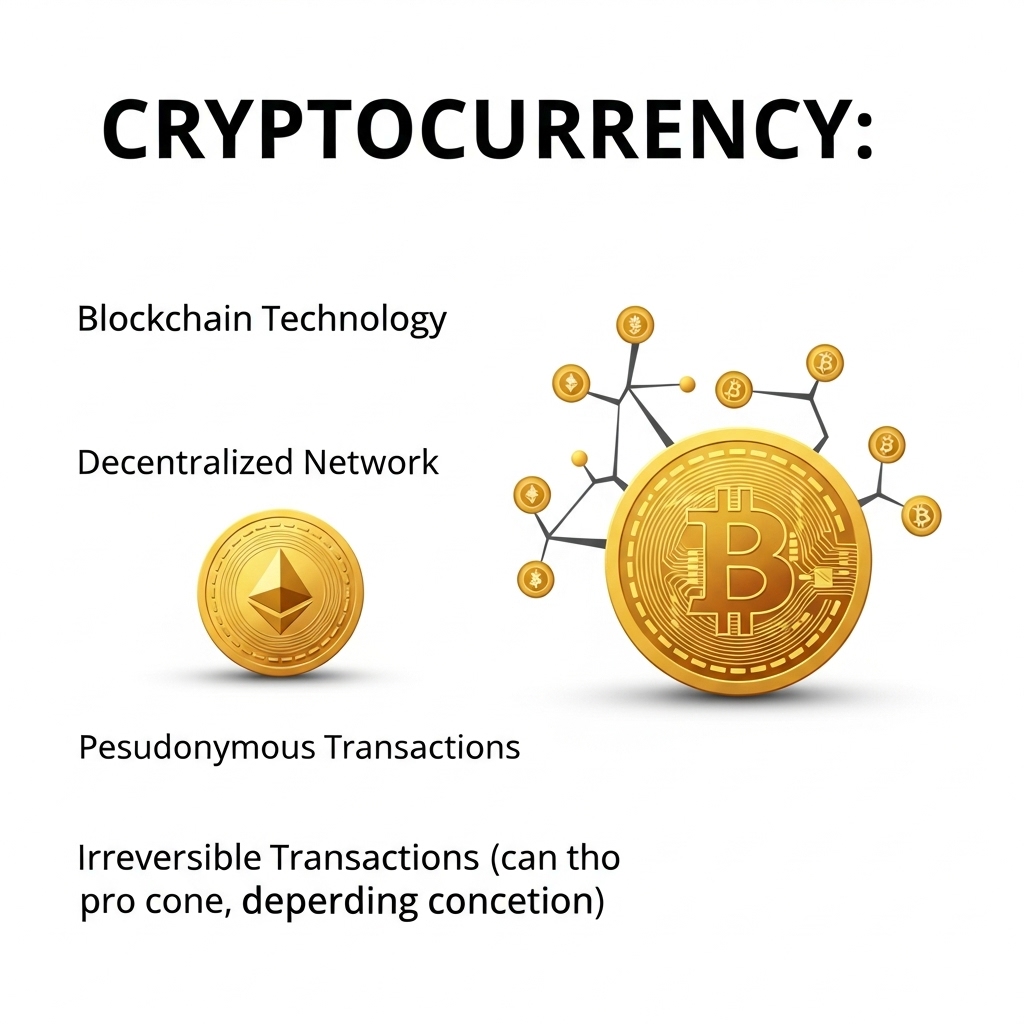
Cryptocurrencies, such as Bitcoin and Ethereum, utilize blockchain technology to secure transactions. Blockchain is a decentralized, distributed ledger that records transactions across a network of computers, making it virtually impossible to alter or manipulate. Cryptocurrency transactions are also encrypted, ensuring that sensitive information remains confidential. While cryptocurrencies are still a relatively new and volatile market, they offer a secure and transparent way to conduct online transactions.
4. Secure Online Payment Processors
Secure online payment processors, such as Stripe and Square, provide merchants with a range of security features to protect transactions. These processors often offer encryption, tokenization, and 2FA, as well as compliance with industry standards, such as PCI-DSS (Payment Card Industry Data Security Standard). Additionally, they may provide fraud detection and prevention tools, helping merchants to identify and prevent suspicious transactions. By using a secure payment processor, merchants can reduce the risk of data breaches and financial losses.
5. Bank Transfers and Direct Debits
Bank transfers and direct debits are secure payment methods that involve transferring funds directly from a bank account to a merchant's account. These methods eliminate the need to share sensitive credit card information or rely on third-party payment processors. Bank transfers and direct debits are often used for recurring payments, such as subscription services or utility bills, and are generally considered to be a secure and reliable way to conduct online transactions.
Conclusion and Best Practices
In conclusion, the most secure payment methods for online transactions prioritize encryption, tokenization, and two-factor authentication. By choosing a secure payment method, such as credit cards with tokenization, digital wallets with 2FA, or cryptocurrencies, consumers and businesses can reduce the risk of cyber attacks, data breaches, and financial fraud. To further enhance security, it's essential to follow best practices, such as regularly updating passwords, monitoring account activity, and using antivirus software. By taking these precautions, individuals and organizations can ensure a safe and secure online transaction experience.