
Introduction to Clinical Microbiology
Clinical microbiology is a branch of medicine concerned with the study of microorganisms, including bacteria, viruses, fungi, and parasites, and their role in human disease. It involves the diagnosis, treatment, and prevention of infectious diseases. Two of the most significant types of microorganisms in clinical microbiology are bacteria and viruses. While both can cause disease, they have distinct characteristics, and understanding their differences is crucial for accurate diagnosis and effective treatment.
Definition and Characteristics of Bacteria
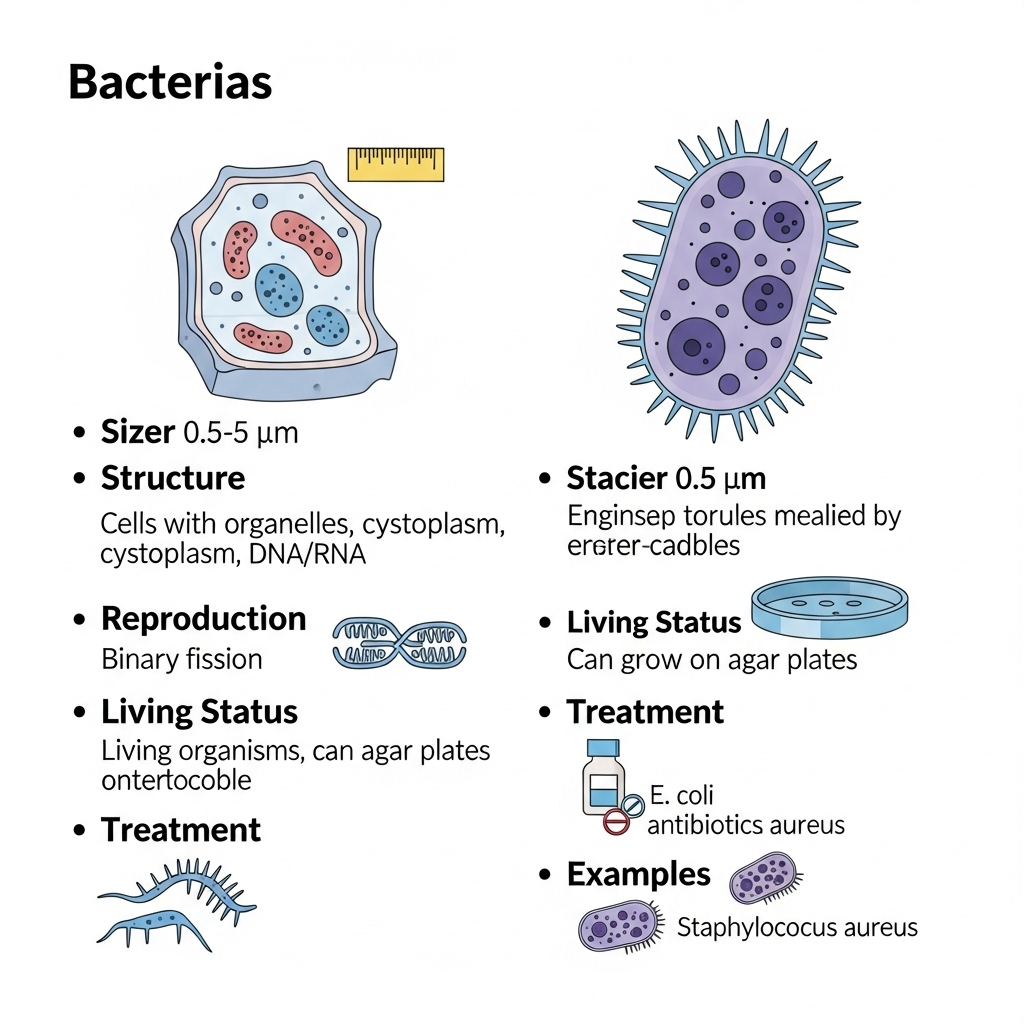
Bacteria are single-celled microorganisms that lack a nucleus and other membrane-bound organelles. They are prokaryotic cells, meaning their genetic material is not enclosed within a nucleus. Bacteria can be found almost everywhere, from the environment to the human body, where they play a vital role in digestion and immune system function. However, some bacteria are pathogenic, causing diseases such as tuberculosis, pneumonia, and urinary tract infections. Bacteria can be classified based on their shape (e.g., cocci, bacilli), metabolism (e.g., aerobic, anaerobic), and Gram staining (e.g., Gram-positive, Gram-negative), which helps in identifying and treating bacterial infections.
Definition and Characteristics of Viruses
Viruses are smaller than bacteria and are not considered living cells because they cannot reproduce on their own. They are obligate parasites that require a host cell to replicate. Viruses consist of genetic material (either DNA or RNA) enclosed in a protein coat called a capsid. They can infect all types of life forms, from animals and plants to bacteria. Viral infections in humans range from the common cold and influenza to more severe diseases like HIV, Ebola, and COVID-19. Unlike bacteria, viruses are not affected by antibiotics and require specific antiviral treatments.
Differences in Structure and Replication
The structure and replication processes of bacteria and viruses are fundamentally different. Bacteria have a cell wall and can reproduce by a process called binary fission, where one cell divides into two identical cells. This process does not require a host and can occur rapidly under optimal conditions. In contrast, viruses must attach to and enter a host cell, where they hijack the cell's machinery to produce more viral particles. This process can lead to the death of the host cell as new viruses are released to infect other cells. Understanding these differences is crucial for developing effective therapeutic strategies.
Clinical Implications and Diagnosis
The differences between bacteria and viruses have significant implications for clinical practice, particularly in diagnosis and treatment. Bacterial infections are typically treated with antibiotics, which target various aspects of bacterial cell function, such as cell wall synthesis or protein production. However, the misuse and overuse of antibiotics have led to the emergence of antibiotic-resistant bacteria, making treatment more challenging. Viral infections, on the other hand, are treated with antiviral drugs, which can be more specific to the type of virus. Diagnostic tests, such as cultures, PCR (Polymerase Chain Reaction), and serological tests, are used to identify the causative agent of an infection, guiding the choice of treatment.
Prevention and Public Health Measures
Preventing the spread of bacterial and viral infections is a critical aspect of public health. For bacterial infections, this can involve proper hygiene practices, such as handwashing, especially in healthcare settings, and the appropriate use of antibiotics. Vaccination is also a powerful tool against certain bacterial diseases, such as Haemophilus influenzae type b (Hib) and pneumococcal disease. For viral infections, vaccination is often the most effective prevention method, with examples including vaccines against influenza, HPV, and COVID-19. Public health measures, such as isolation of infected individuals and contact tracing, are also essential in controlling outbreaks of viral diseases.
Conclusion
In conclusion, the distinction between bacteria and viruses is fundamental in clinical microbiology, influencing diagnosis, treatment, and prevention strategies. Understanding the unique characteristics, replication methods, and clinical implications of these microorganisms is essential for healthcare professionals to provide effective care and for the development of new therapeutic and preventive measures. As research continues to uncover more about the complex interactions between microorganisms and their hosts, the field of clinical microbiology will evolve, offering new hope in the fight against infectious diseases.