
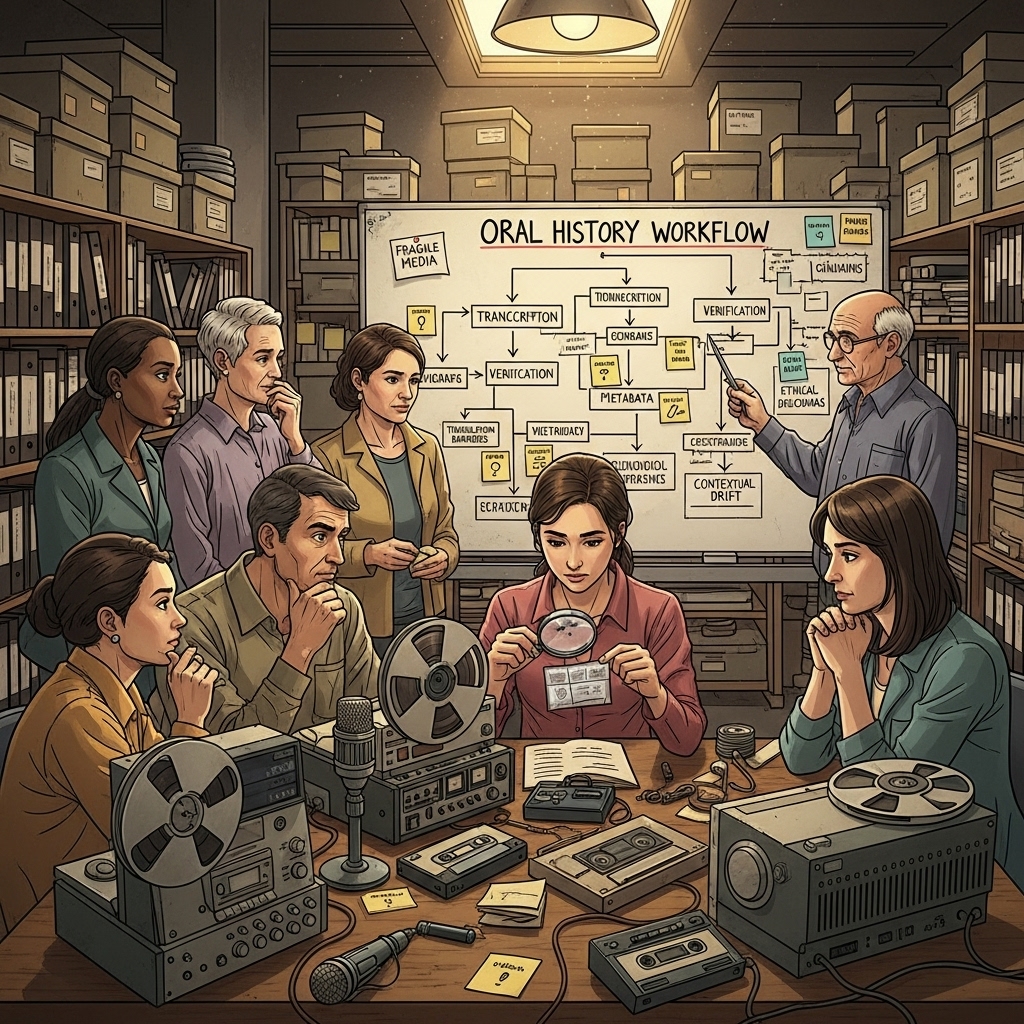
Introduction to Oral Histories
Oral histories are a valuable resource for understanding the past, as they provide firsthand accounts of historical events, cultural traditions, and personal experiences. However, collecting and preserving oral histories can be a challenging task. The process of recording, transcribing, and archiving oral histories requires careful consideration of various factors, including the interviewee's willingness to share their story, the interviewer's skills and biases, and the technical aspects of recording and preserving the material. In this article, we will explore some of the challenges of collecting and preserving oral histories.
Challenges of Conducting Interviews
Conducting interviews is a crucial step in collecting oral histories. One of the main challenges is finding willing and knowledgeable interviewees. This can be particularly difficult when dealing with sensitive or traumatic topics, as some individuals may be hesitant to share their experiences. Additionally, interviewers must be aware of their own biases and try to create a comfortable and non-threatening environment for the interviewee. For example, when conducting an oral history project on the experiences of war veterans, the interviewer must be sensitive to the emotional impact of the topic and create a safe space for the veteran to share their story.
Technical Challenges of Recording Oral Histories
The technical aspects of recording oral histories can also be challenging. The quality of the recording equipment, the environment in which the interview takes place, and the level of background noise can all impact the quality of the recording. Furthermore, the increasing use of digital technology has created new challenges, such as the need for specialized software and equipment to record, transcribe, and archive oral histories. For instance, the use of digital recorders and audio editing software requires a certain level of technical expertise, and the interviewer must be familiar with these tools to ensure high-quality recordings.
Challenges of Transcribing and Archiving Oral Histories
Once the oral history has been recorded, the next step is to transcribe and archive the material. Transcription can be a time-consuming and labor-intensive process, especially for longer interviews or those with poor audio quality. Additionally, the process of archiving oral histories requires careful consideration of issues such as metadata, cataloging, and preservation. For example, the archives of the Library of Congress contain thousands of oral histories, each with its own unique metadata and cataloging requirements. Ensuring that these materials are properly preserved and made accessible to researchers and the public is a significant challenge.
Challenges of Ensuring Accuracy and Authenticity
Ensuring the accuracy and authenticity of oral histories is another significant challenge. Interviewees may have faulty memories or biases that can impact the accuracy of their accounts. Additionally, the interviewer's own biases and assumptions can influence the way the interview is conducted and the material is interpreted. To address these challenges, oral historians must be aware of these potential pitfalls and take steps to verify the information and provide context for the interviewee's account. For example, when conducting an oral history project on a historical event, the historian may need to cross-check the interviewee's account with other primary sources, such as documents or photographs, to ensure accuracy.
Challenges of Making Oral Histories Accessible
Finally, making oral histories accessible to researchers and the public is a significant challenge. Many oral histories are stored in archives or libraries, but they may not be easily accessible due to issues such as restricted access, poor cataloging, or lack of digitization. To address these challenges, many institutions are working to digitize their oral history collections and make them available online. For example, the Smithsonian Institution's Oral History Program has digitized thousands of oral histories and made them available on their website, providing researchers and the public with a valuable resource for understanding the past.
Conclusion
In conclusion, collecting and preserving oral histories is a complex and challenging task. From conducting interviews to transcribing and archiving the material, each step requires careful consideration of various factors. However, the end result is well worth the effort, as oral histories provide a unique and valuable window into the past. By understanding the challenges of collecting and preserving oral histories, we can work to improve our methods and ensure that these important historical resources are preserved for future generations. Ultimately, the preservation of oral histories is essential for understanding our collective past and for building a more informed and empathetic society.