
Introduction to Operational Excellence
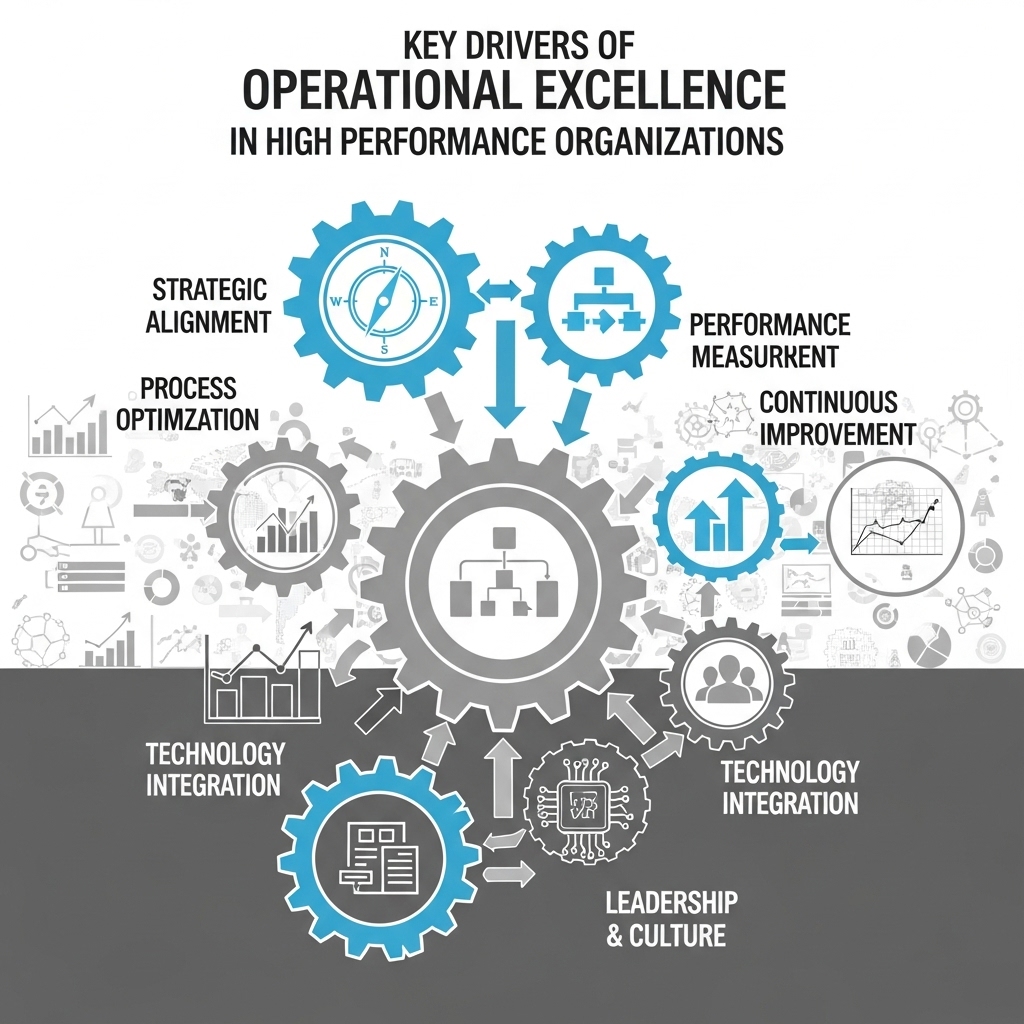
Operational excellence is a management philosophy that emphasizes the need for organizations to strive for continuous improvement in their processes and systems. It involves creating a culture of excellence within the organization, where every employee is committed to achieving the highest standards of performance and quality. High-performance organizations that adopt operational excellence as a core strategy are able to achieve significant benefits, including improved efficiency, increased productivity, and enhanced customer satisfaction. In this article, we will explore the key drivers of operational excellence in high-performance organizations and examine the strategies and practices that enable them to achieve exceptional results.
Leadership and Culture
Leadership and culture are critical drivers of operational excellence in high-performance organizations. A strong and visionary leadership team is essential for setting the tone and direction for the organization, and for creating a culture that values excellence and continuous improvement. This involves establishing a clear and compelling vision, communicating it effectively to all employees, and empowering them to take ownership of their work and strive for excellence. For example, companies like Google and Amazon have a strong culture of innovation and excellence, which is driven by their leadership teams and reflected in their products and services. A culture of excellence also involves recognizing and rewarding employees who demonstrate exceptional performance and behaviors, and providing opportunities for training and development to help them grow and improve.
Process Discipline and Standardization
Process discipline and standardization are also key drivers of operational excellence. High-performance organizations have well-defined and standardized processes that are designed to achieve specific outcomes and meet customer needs. These processes are regularly reviewed and improved to ensure they remain effective and efficient, and are supported by robust metrics and feedback mechanisms. For instance, companies like Toyota and General Electric have implemented lean manufacturing and six sigma methodologies to streamline their processes and eliminate waste. Standardization also involves creating a common language and set of tools and templates that can be used across the organization, to ensure consistency and reduce variability.
Performance Metrics and Feedback
Performance metrics and feedback are essential for driving operational excellence in high-performance organizations. These organizations use a range of metrics to measure their performance, including financial metrics such as revenue and profitability, customer metrics such as satisfaction and retention, and operational metrics such as productivity and quality. They also use feedback mechanisms, such as regular surveys and focus groups, to gather insights from customers and employees and identify areas for improvement. For example, companies like Netflix and Amazon use data analytics and customer feedback to inform their product development and improvement strategies. Regular feedback and coaching are also provided to employees to help them understand their performance and identify areas for improvement.
Employee Engagement and Empowerment
Employee engagement and empowerment are critical drivers of operational excellence in high-performance organizations. These organizations recognize that their employees are their most valuable asset, and invest heavily in their training and development. They also empower employees to take ownership of their work and make decisions that impact the organization, and provide them with the autonomy and resources they need to excel. For instance, companies like Facebook and Microsoft have a strong culture of innovation and experimentation, which is driven by their employees' passion and creativity. Employee engagement also involves recognizing and rewarding employees who demonstrate exceptional performance and behaviors, and providing opportunities for growth and advancement.
Technology and Innovation
Technology and innovation are also key drivers of operational excellence in high-performance organizations. These organizations leverage technology to streamline their processes, improve efficiency, and enhance customer experience. They also invest in research and development to stay ahead of the curve and identify new opportunities for growth and innovation. For example, companies like Apple and Tesla have used technology to disrupt traditional industries and create new markets. Technology also enables organizations to gather and analyze data, and use insights to inform their decision-making and improvement strategies.
Conclusion
In conclusion, operational excellence is a critical component of high-performance organizations, and is driven by a range of factors, including leadership and culture, process discipline and standardization, performance metrics and feedback, employee engagement and empowerment, and technology and innovation. By adopting these strategies and practices, organizations can achieve significant benefits, including improved efficiency, increased productivity, and enhanced customer satisfaction. High-performance organizations that prioritize operational excellence are able to stay ahead of the curve, drive growth and innovation, and achieve exceptional results. As the business landscape continues to evolve, the importance of operational excellence will only continue to grow, and organizations that prioritize it will be well-positioned for success.