
Introduction to Custom CRM System Projects
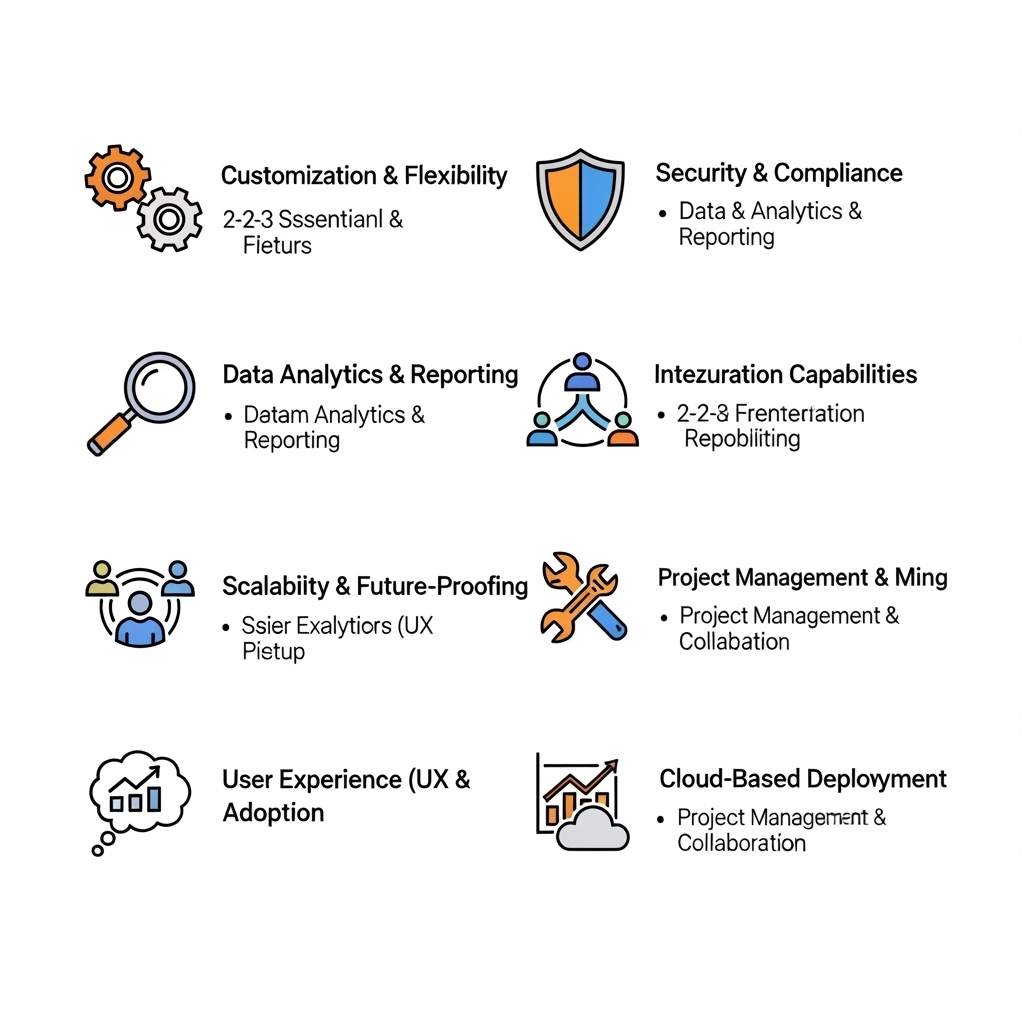
A custom CRM (Customer Relationship Management) system is a tailored software solution designed to meet the specific needs of a business, helping to manage customer interactions, sales, and marketing efforts. When implemented correctly, a custom CRM system can significantly enhance customer satisfaction, improve sales performance, and increase overall business efficiency. However, to achieve optimal success, it's crucial to include the right features in your custom CRM system project. In this article, we'll explore the key features that should be included in a custom CRM system for maximum effectiveness.
Defining Requirements and Objectives
Before diving into the features of a custom CRM system, it's essential to define the requirements and objectives of the project. This involves identifying the specific pain points and challenges that the business is facing, as well as the goals and outcomes that the CRM system is expected to achieve. For example, a business may want to improve sales forecasting, enhance customer engagement, or streamline customer support processes. By clearly defining these requirements and objectives, businesses can ensure that their custom CRM system is tailored to meet their unique needs.
Core Features of a Custom CRM System
A custom CRM system should include a range of core features that enable businesses to manage customer interactions, sales, and marketing efforts. Some of the key features to include are: contact management, sales force automation, marketing automation, customer service and support, and reporting and analytics. For instance, contact management allows businesses to store and manage customer contact information, while sales force automation enables sales teams to track leads, opportunities, and sales performance. Marketing automation, on the other hand, helps businesses to automate and personalize marketing campaigns, improving customer engagement and conversion rates.
Integration with Other Business Systems
A custom CRM system should also be integrated with other business systems, such as ERP (Enterprise Resource Planning), accounting, and e-commerce platforms. This integration enables businesses to access a single, unified view of customer data, as well as automate workflows and processes across different departments. For example, integrating a CRM system with an ERP system can enable businesses to access customer order history, inventory levels, and shipping information, improving sales and customer service processes. Similarly, integrating a CRM system with an e-commerce platform can enable businesses to track customer purchases, preferences, and behavior, improving marketing and sales efforts.
Security and Data Management
Security and data management are critical components of a custom CRM system. Businesses must ensure that their CRM system includes robust security measures, such as data encryption, access controls, and backup and recovery processes. This helps to protect sensitive customer data and prevent data breaches. Additionally, a custom CRM system should include data management features, such as data validation, data normalization, and data cleansing, to ensure that customer data is accurate, complete, and up-to-date. For example, a CRM system can include data validation rules to ensure that customer contact information is accurate and consistent, while data cleansing processes can help to remove duplicate or outdated customer data.
Customization and Flexibility
A custom CRM system should be highly customizable and flexible, allowing businesses to tailor the system to their specific needs and workflows. This includes the ability to create custom fields, workflows, and reports, as well as integrate with other business systems and applications. For instance, a business may want to create custom fields to track specific customer information, such as preferences or behaviors, while custom workflows can help to automate sales and marketing processes. Additionally, a custom CRM system should include a range of reporting and analytics tools, enabling businesses to track key performance indicators (KPIs) and make data-driven decisions.
Implementation and Support
Finally, a custom CRM system requires careful implementation and ongoing support to ensure optimal success. This includes training and onboarding for end-users, as well as ongoing maintenance and updates to ensure that the system remains secure, stable, and aligned with business needs. For example, a business may want to provide comprehensive training for sales and customer service teams, while also establishing a support process for addressing technical issues and user questions. By prioritizing implementation and support, businesses can ensure that their custom CRM system is adopted and used effectively, driving business growth and success.
Conclusion
In conclusion, a custom CRM system project should include a range of features to achieve optimal success. By defining requirements and objectives, including core features, integrating with other business systems, prioritizing security and data management, customization and flexibility, and implementation and support, businesses can create a tailored CRM system that meets their unique needs. Whether you're looking to improve sales performance, enhance customer engagement, or streamline customer support processes, a custom CRM system can help you achieve your goals. By following these guidelines and working with an experienced CRM developer, you can create a custom CRM system that drives business growth, improves customer satisfaction, and sets your business up for long-term success.