
Introduction to Brain Cell Communication
The human brain is a complex and intricate organ, comprising billions of neurons that work together to control various bodily functions, from movement and sensation to cognition and emotion. At the heart of this complex system is the communication between brain cells, also known as neurons. This communication is crucial for the proper functioning of the brain and is essential for learning, memory, and behavior. In this article, we will delve into the world of brain cell communication, exploring how neurons interact with each other and what happens when they do.
The Basics of Neurotransmission
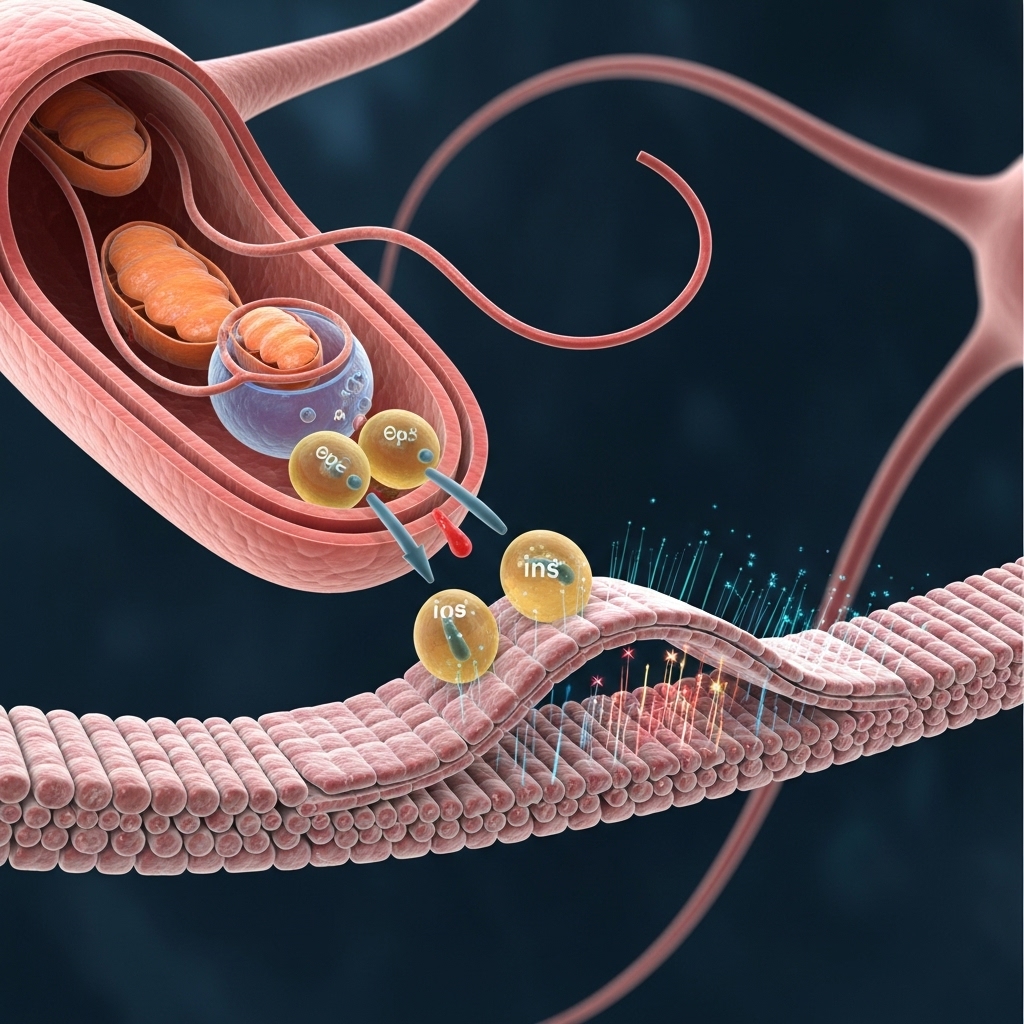
Neurotransmission is the process by which neurons communicate with each other. It involves the release of chemical messengers, known as neurotransmitters, from the terminal end of one neuron, which then bind to receptors on the surface of adjacent neurons. This binding process triggers a series of electrical and chemical changes that allow the signal to be transmitted from one neuron to another. There are many different types of neurotransmitters, each with its own unique function and role in the brain. For example, dopamine is involved in reward and motivation, while serotonin is involved in mood regulation.
How Neurons Communicate: Synapses and Action Potentials
Neurons communicate with each other through specialized structures called synapses. A synapse is a small gap between two neurons, where the terminal end of one neuron releases neurotransmitters into the gap, and the adjacent neuron has receptors to receive the signal. When a neuron is stimulated, it generates an action potential, which is a brief electrical impulse that travels down the length of the neuron. As the action potential reaches the terminal end of the neuron, it triggers the release of neurotransmitters into the synapse. The binding of these neurotransmitters to receptors on the adjacent neuron can either excite or inhibit the neuron, depending on the type of receptor and neurotransmitter involved.
The Role of Neuroplasticity in Brain Cell Communication
Neuroplasticity refers to the brain's ability to reorganize and adapt in response to new experiences and learning. This process is essential for learning and memory, as it allows the brain to strengthen and weaken connections between neurons based on their activity. When neurons communicate with each other, they can form new connections, known as synapses, and strengthen existing ones. This process is thought to be involved in the formation of new memories and the consolidation of learning. For example, when we learn a new skill, such as playing a musical instrument, the neurons involved in the skill are repeatedly activated, leading to the strengthening of connections between them.
Disorders of Brain Cell Communication
Disorders of brain cell communication can have significant effects on behavior, cognition, and emotion. For example, in Alzheimer's disease, the communication between neurons is disrupted, leading to a decline in cognitive function and memory. In Parkinson's disease, the loss of dopamine-producing neurons leads to disruptions in motor control and movement. In psychiatric disorders, such as depression and anxiety, imbalances in neurotransmitters, such as serotonin and dopamine, can contribute to changes in mood and behavior. Understanding how brain cells communicate can provide valuable insights into the underlying mechanisms of these disorders and may lead to the development of new treatments.
Techniques for Studying Brain Cell Communication
There are several techniques that scientists use to study brain cell communication. One of the most common techniques is electrophysiology, which involves recording the electrical activity of neurons using electrodes. This can provide information about the activity of individual neurons and the communication between them. Another technique is imaging, which involves using specialized microscopes to visualize the activity of neurons in real-time. This can provide information about the structure and function of neural circuits and how they communicate with each other. Additionally, molecular biology techniques, such as PCR and Western blotting, can be used to study the expression of genes and proteins involved in brain cell communication.
Conclusion: Unlocking the Secrets of Brain Cell Communication
In conclusion, brain cell communication is a complex and fascinating process that is essential for the proper functioning of the brain. By understanding how neurons communicate with each other, we can gain insights into the underlying mechanisms of behavior, cognition, and emotion. Furthermore, studying brain cell communication can provide valuable information about the causes of neurological and psychiatric disorders, and may lead to the development of new treatments. As our understanding of brain cell communication continues to grow, we may uncover new secrets about the brain and its many mysteries, ultimately leading to a better understanding of ourselves and our place in the world.