
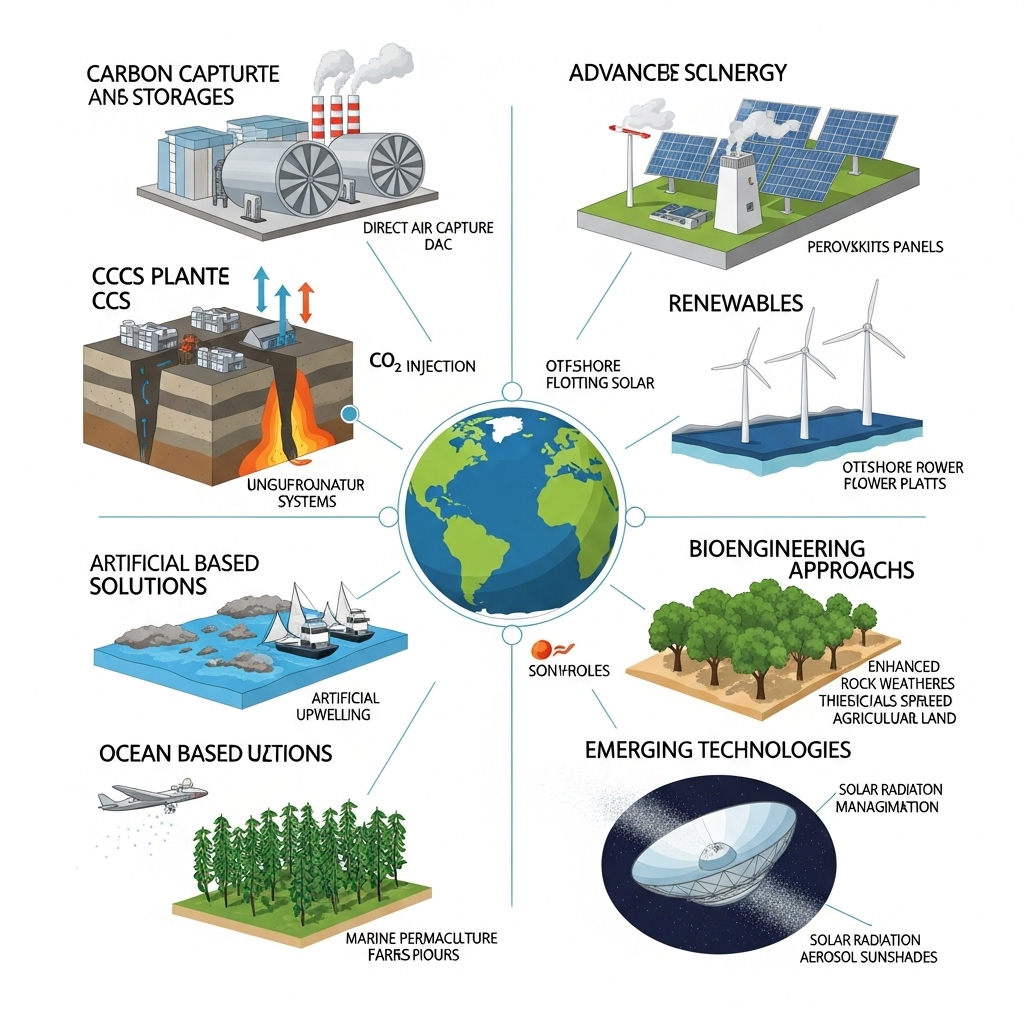
Introduction to Climate Change Solutions
Climate change is one of the most pressing issues of our time, with far-reaching consequences for the environment, human health, and the economy. The effects of climate change are widespread and varied, ranging from rising sea levels and more frequent natural disasters to droughts, heatwaves, and loss of biodiversity. However, there is hope for reversing or mitigating these effects through the development and implementation of innovative technologies. This article will explore some of the most promising technologies that can help combat climate change and create a more sustainable future.
Renewable Energy Technologies
Reneable energy technologies are crucial in the fight against climate change, as they offer a cleaner alternative to fossil fuels and can significantly reduce greenhouse gas emissions. Solar and wind power are two of the most prominent forms of renewable energy, with solar panels and wind turbines becoming increasingly efficient and affordable. For example, the cost of solar energy has fallen by over 70% in the last decade, making it more competitive with fossil fuels. Additionally, advancements in energy storage technologies, such as batteries, have improved the reliability and efficiency of renewable energy systems.
Carbon Capture and Utilization
Carbon capture and utilization (CCU) technologies aim to capture CO2 emissions from power plants and industrial processes, and then convert them into valuable products such as fuels, chemicals, and building materials. This approach can significantly reduce greenhouse gas emissions and create new revenue streams for industries. For instance, companies like Carbon Engineering and Climeworks are developing technologies to capture CO2 from the air and convert it into fuels, such as gasoline and diesel, that can be used in existing infrastructure.
Electrification of Transportation
The transportation sector is a significant contributor to greenhouse gas emissions, accounting for around 15% of global emissions. Electrification of transportation, through the adoption of electric vehicles (EVs), can substantially reduce emissions from this sector. EVs produce zero tailpipe emissions, reducing air pollution in urban areas and minimizing greenhouse gas emissions. Governments and companies are investing heavily in EV infrastructure, with many countries setting targets for EV adoption. For example, Norway has set a target of having all new car sales be electric by 2025.
Smart Grids and Energy Efficiency
Smart grids and energy efficiency technologies can optimize energy distribution and consumption, reducing waste and lowering emissions. Smart grids use advanced sensors, automation, and data analytics to manage energy distribution in real-time, predicting and responding to changes in energy demand. Energy efficiency technologies, such as smart thermostats and LED lighting, can also reduce energy consumption in buildings and homes. For instance, smart thermostats can learn a building's temperature preferences and adjust the temperature accordingly, reducing energy waste and lowering emissions.
Climate-Smart Agriculture
Climate-smart agriculture (CSA) involves the use of technologies and practices that help farmers adapt to climate change, improve agricultural productivity, and reduce greenhouse gas emissions. CSA practices include the use of drought-resistant crop varieties, conservation agriculture, and agroforestry. These practices can improve soil health, reduce synthetic fertilizer use, and promote biodiversity. For example, companies like John Deere and FarmWise are developing precision agriculture technologies, such as autonomous tractors and drones, to optimize crop yields and reduce waste.
Conclusion and Future Directions
In conclusion, innovative technologies have the potential to reverse or mitigate the effects of climate change. From renewable energy and carbon capture to electrification of transportation and climate-smart agriculture, these technologies can significantly reduce greenhouse gas emissions and create a more sustainable future. However, the development and implementation of these technologies require continued investment, research, and collaboration between governments, industries, and civil society. As the world transitions to a low-carbon economy, it is essential to prioritize climate change solutions and work towards a future where technology and sustainability go hand-in-hand.