
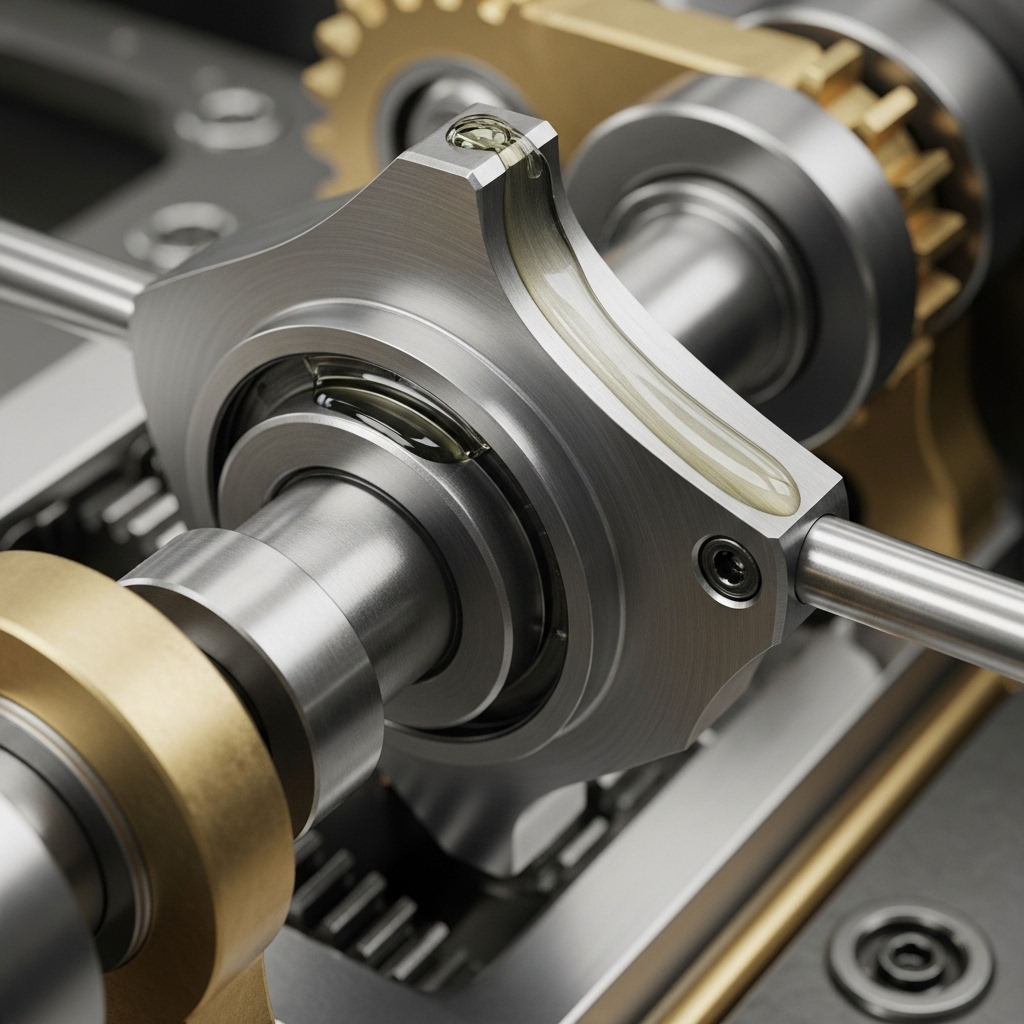
Introduction to Cams in Machine Design
The primary function of a cam in machine design is to convert rotational motion into linear motion, or to change the direction of motion. Cams are essential components in various machines, including engines, gearboxes, and automated systems. They play a crucial role in controlling the movement of valves, pistons, and other mechanical components. In this article, we will delve into the world of cams, exploring their design, types, and applications in machine design.
What is a Cam?
A cam is a mechanical component that uses an irregular shape to change the motion of a follower, which is typically a lever or a roller. The cam's shape and size determine the motion of the follower, allowing for precise control over the movement. Cams can be designed to produce a wide range of motions, including linear, circular, and reciprocating motions. The cam's rotational motion is typically provided by a motor or an engine, and the follower's motion is determined by the cam's profile.
Types of Cams
There are several types of cams used in machine design, each with its unique characteristics and applications. Some of the most common types of cams include:
1. Plate cam: A plate cam is a flat cam with a circular or oval shape. It is commonly used in applications where a simple, compact design is required.
2. Cylinder cam: A cylinder cam is a cylindrical cam with a helical or spiral groove. It is often used in applications where a high degree of precision is required.
3. Conjugate cam: A conjugate cam is a cam with two or more followers. It is used in applications where multiple motions need to be coordinated.
4. Globoidal cam: A globoidal cam is a cam with a spherical shape. It is used in applications where a high degree of precision and smooth motion are required.
Design Considerations for Cams
When designing a cam, several factors need to be considered, including the type of motion required, the speed and acceleration of the follower, and the load and stress on the cam. The cam's profile and size must be carefully designed to ensure smooth motion and minimize wear and tear. The material selection is also critical, as it affects the cam's durability and resistance to corrosion.
For example, in the design of an internal combustion engine, the camshaft is a critical component that operates at high speeds and is subject to high stresses. The camshaft's profile and size must be carefully designed to ensure precise control over the valves and minimize wear and tear.
Applications of Cams in Machine Design
Cams have a wide range of applications in machine design, including:
1. Internal combustion engines: Cams are used to operate the valves and control the flow of air and fuel into the engine.
2. Gearboxes: Cams are used to change the gear ratio and control the movement of the gears.
3. Automated systems: Cams are used to control the movement of robots and automated machines.
4. Printing presses: Cams are used to control the movement of the printing plates and ink rollers.
Advantages and Disadvantages of Cams
Cams have several advantages, including high precision, smooth motion, and compact design. However, they also have some disadvantages, including high wear and tear, noise, and vibration. The cam's profile and size must be carefully designed to minimize these disadvantages and ensure optimal performance.
For example, in the design of a high-speed printing press, the cam's profile and size must be carefully designed to minimize wear and tear and ensure smooth motion. The use of advanced materials and coatings can also help to reduce wear and tear and improve the cam's durability.
Conclusion
In conclusion, the primary function of a cam in machine design is to convert rotational motion into linear motion, or to change the direction of motion. Cams are essential components in various machines, including engines, gearboxes, and automated systems. By understanding the design, types, and applications of cams, engineers can create more efficient and effective machines. The advantages of cams, including high precision and smooth motion, make them an essential component in many industries. However, the disadvantages, including high wear and tear and noise, must be carefully considered and minimized through careful design and material selection.